Beneath the cascading canopy of the small-leaf banyan, the world feels slower. Its trunk, a muscular pillar of gnarled wood, speaks of centuries. This is no mere plant; it is a monument, a living archive of the community it shelters.
To look at it is to read a history book bound in bark. Its most striking feature, the aerial roots, descend from heavy branches like the rigging of ancient ships. They hang as wispy, cinnamon-colored threads, gently swaying in the breeze. But unlike the roots of other trees, they do not simply dangle in vain. When they find the earth, they take hold, thickening over decades into secondary trunks that support the ever-spreading limbs. It is as if the tree is slowly, deliberately, walking across the ground, claiming its territory with patient footsteps.
Touch its bark—smooth and grey, like weathered stone cooled by shadow. Run your fingers along the glossy, oval leaves, small and numerous, forming a dense umbrella that filters the tropical sun into a soft, dappled light. Above, the world may be harsh and bright, but here, in the tree's embrace, there is only a gentle, green-hued tranquility.
Listen, and you will hear the city within its branches. A sparrow fusses, a mynah chirps, a crow delivers its raspy pronouncement. The banyan is a world unto itself, a bustling metropolis of life cradled in its woody arms.
For generations, this tree has been the silent center of life. It has shaded gossip and philosophical debates, been the backdrop for first loves and last goodbyes. It stood as a postman’s landmark long before street signs, and its roots have been a natural jungle gym for countless children, who are now parents and grandparents themselves.
To sit on the cool, smooth bench often built around its base is to feel a profound sense of peace. You are a visitor in its presence, a brief moment in its long, slow story. The small-leaf banyan does not demand your attention; it simply offers its shade, its silence, and its quiet, enduring strength. It is a place to pause, to breathe, and to remember that some things are built to last.
Item NO.:
HSFMPayment:
T/TProduct Origin:
ChinaColor:
GreenShipping Port:
Xiamen portLead Time:
7-10day
Discover the Beauty of Ficus Microcarpa
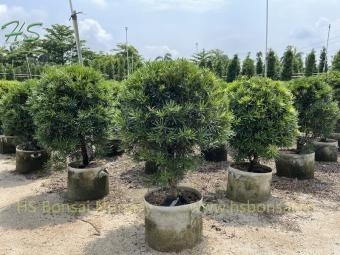
Small size bonsai plants have gained immense popularity among bonsai enthusiasts due to their compact nature and captivating aesthetics. Ficus microcarpa, is an excellent choice for those seeking a harmonious blend of size and beauty. These bonsai plants provide all the charm and elegance of their larger counterparts while fitting perfectly into small spaces such as offices, apartments, or even as decorative elements in gardens.
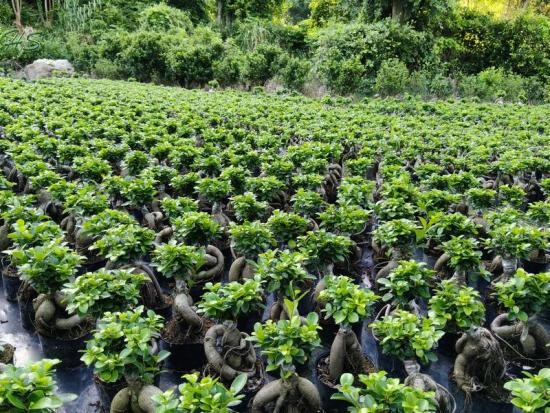
One of the distinctive features that make ficus microcarpa bonsai stand out is its captivating aerial root structure. These bonsai trees develop intricate and natural-looking roots that grow above the surface of the soil, creating an awe-inspiring display. The aerial roots not only contribute to the overall aesthetic appeal but also add an element of uniqueness to each Ficus microcarpa bonsai. These delicate roots can be carefully shaped and curated, making each bonsai a living work of art.
With its glossy, dark green leaves and beautiful aerial roots that create a mesmerizing canopy, the Chinese Banyan becomes a focal point in gardens, parks, and indoor spaces alike. Its ability to adapt to various environments makes it a popular choice for landscaping enthusiasts, whether you have limited space or a sprawling estate.
Hsbonsai, a renowned bonsai supplier, offers a diverse range of small size Ficus microcarpa bonsai plants with exceptional quality. Their bonsai plants are meticulously cultivated and cared for, ensuring healthy and flourishing trees to grace your living or working space. The unique root structure of their Ficus microcarpa bonsai adds an exquisite touch to every piece, showcasing the artistry and craftsmanship that goes into each creation.
Product Overview
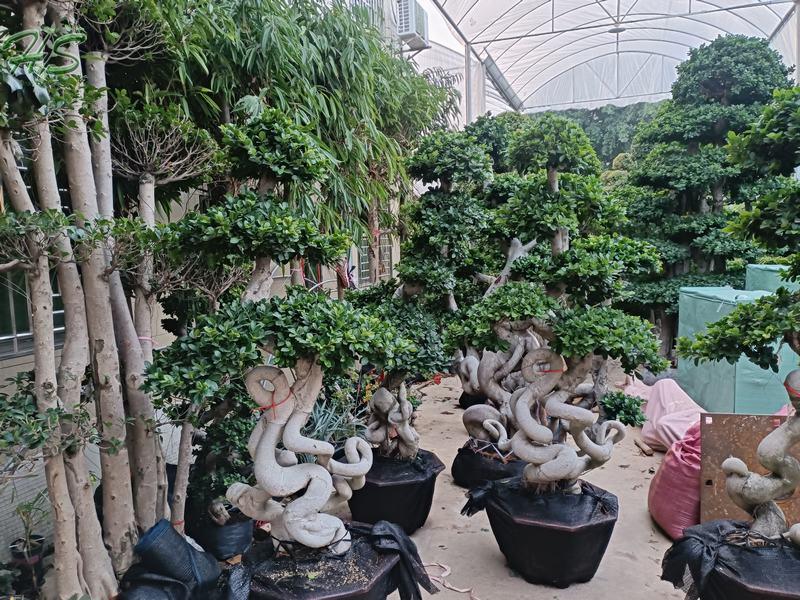
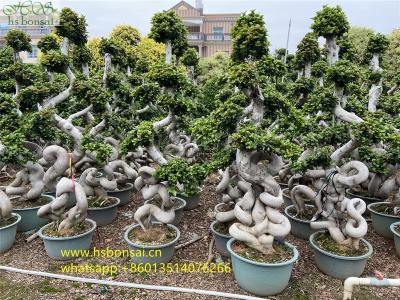
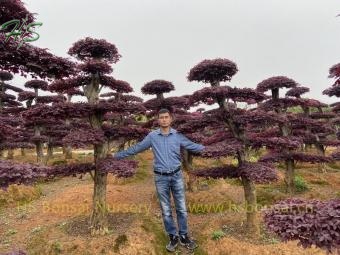
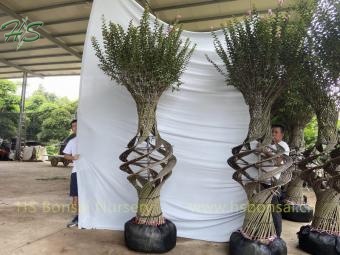
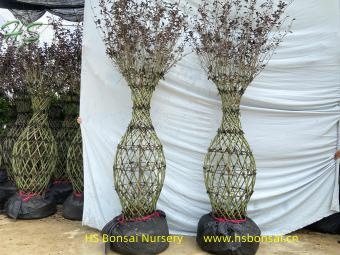
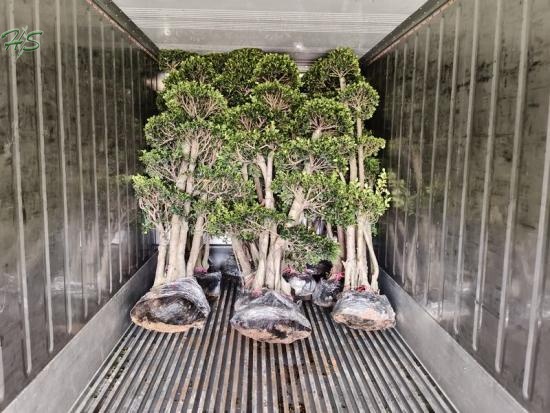
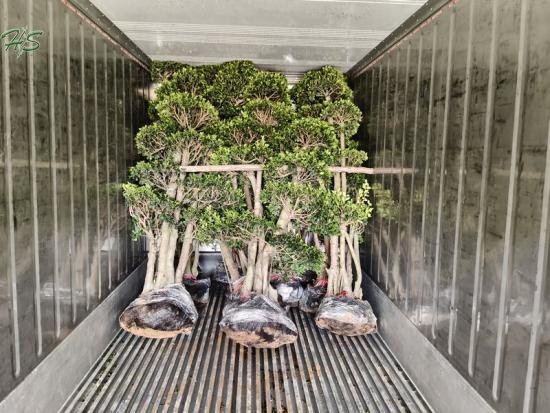
Ficus microcarpa bonsai dragon shape is a Artistic modeling, they are bonsai starter kit, can be used as a main garden view or suitable for city landscaping
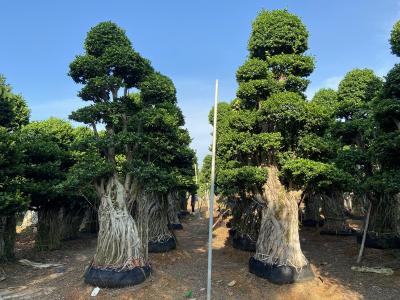
The best outdoor bonsai plants for offices and homes, Its a excellent landscape trees which has good tolerance to winter and summer season,the ficus bonsai is also proved to be one of the best air purifier tree
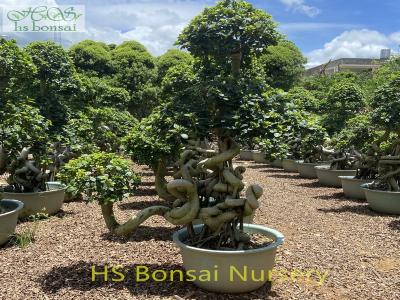
The best outdoor bonsai plants for offices and homes, Its a excellent landscape trees which has good tolerance to winter and summer season,the ficus bonsai is also proved to be one of the best air purifier tree
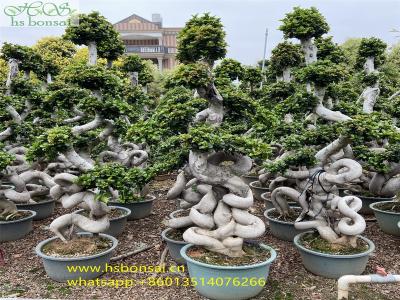
The best outdoor bonsai plants for offices and homes, Its a excellent landscape trees which has good tolerance to winter and summer season,the ficus bonsai is also proved to be one of the best air purifier tree
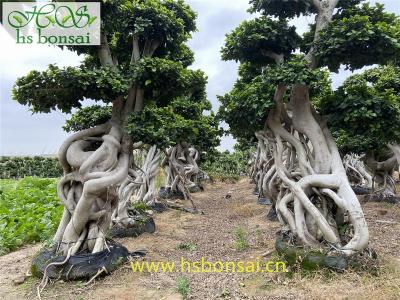
The best outdoor bonsai plants for offices and homes, Its a excellent landscape trees which has good tolerance to winter and summer season,the ficus bonsai is also proved to be one of the best air purifier tree
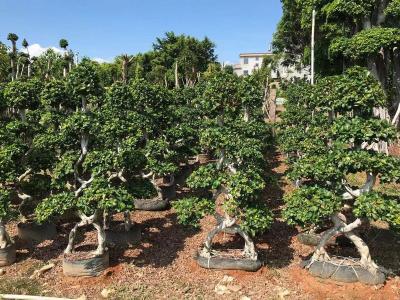
The best outdoor bonsai plants for offices and homes, Its a excellent landscape trees which has good tolerance to winter and summer season,the ficus bonsai is also proved to be one of the best air purifier tree
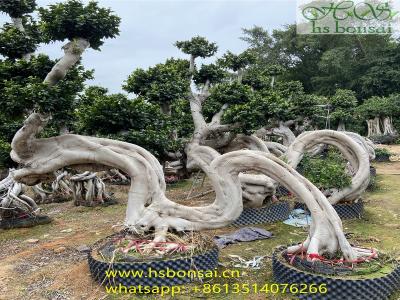
The best outdoor bonsai plants for offices and homes, Its a excellent landscape trees which has good tolerance to winter and summer season,the ficus bonsai is also proved to be one of the best air purifier tree
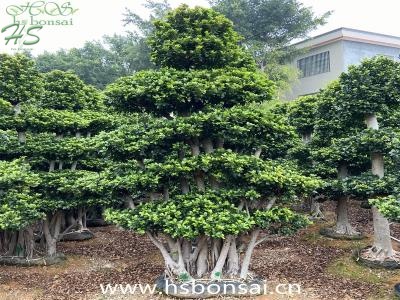
The best outdoor bonsai plants for offices and homes, Its a excellent landscape trees which has good tolerance to winter and summer season,the ficus bonsai is also proved to be one of the best air purifier tree



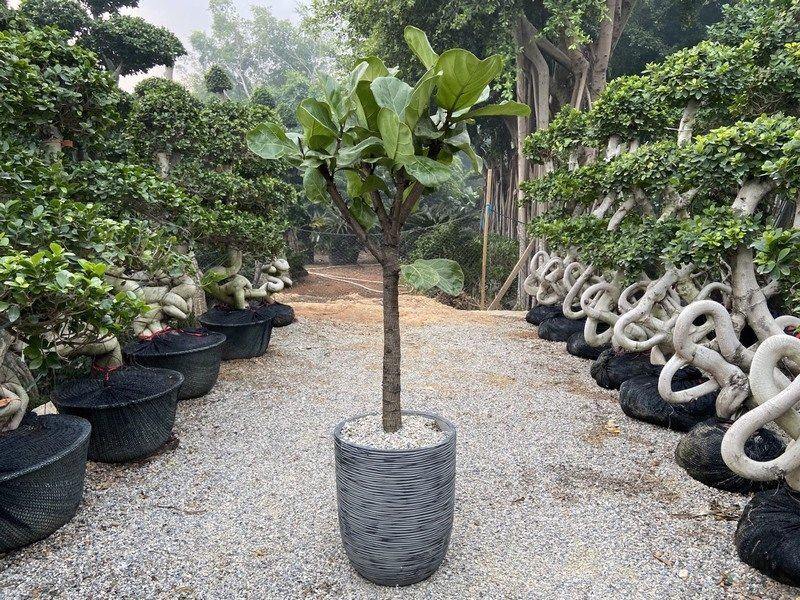 Ficus lollipop
 IPv6 network supported
 English
 español
 العربية