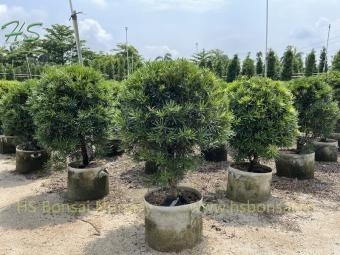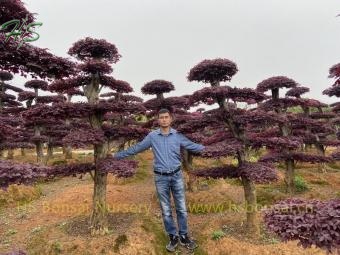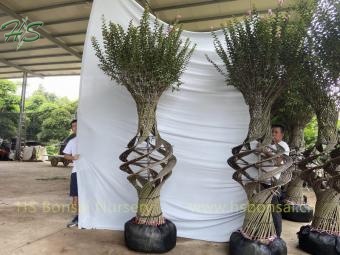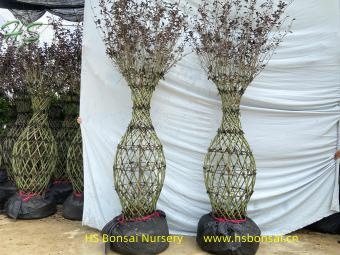
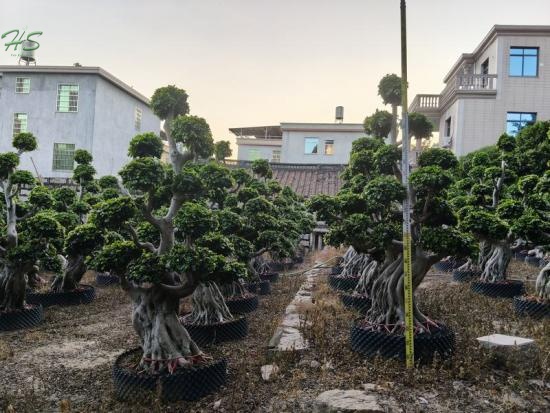
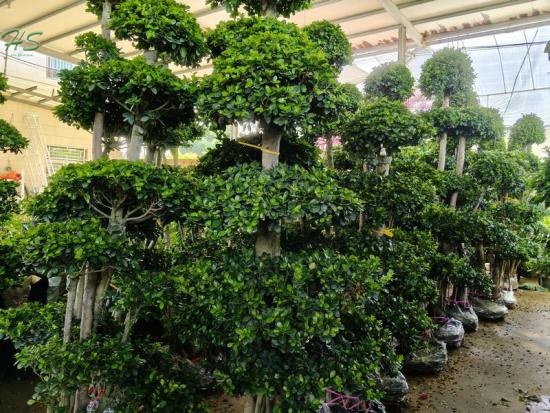
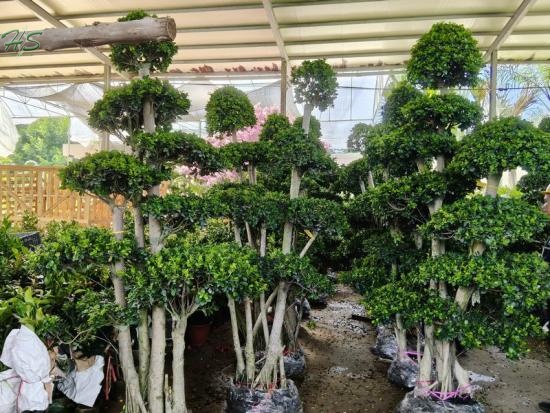
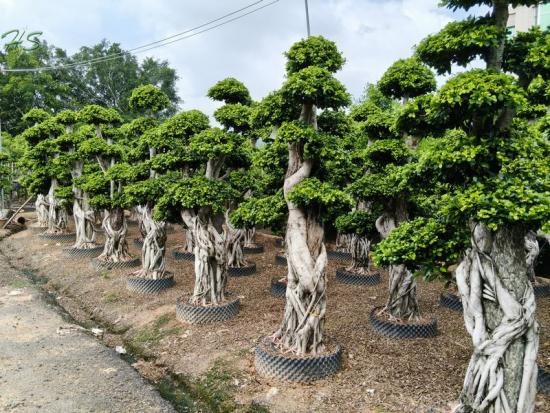
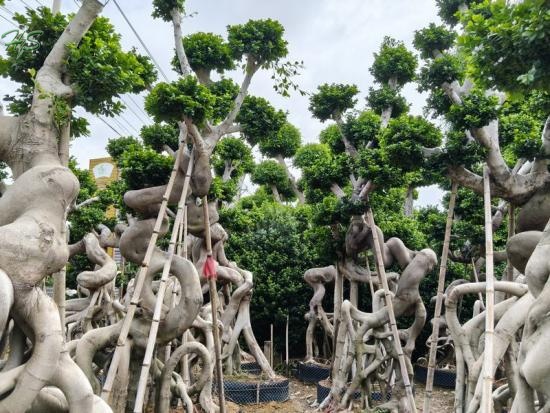
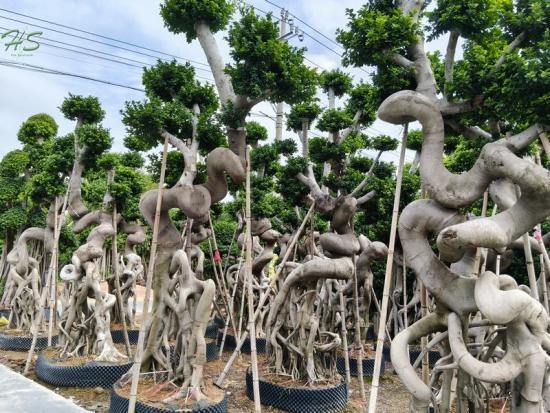
Ficus microcarpa tree, Ficus Microcarpa With Rounded Crown With Dense
Ficus microcarpa is known for its aerial roots, which are produced from its branches and can extend down to the ground, anchoring the tree and providing additional support. These roots can give the tree a unique and distinctive appearance.The tree produces small, round to pear-shaped fruits that are about 1 cm in diameter. The fruits turn from green to purple when ripe, and they have a sweet flavor. However, the fruits are not commonly consumed by humans.
Ficus microcarpa is a hardy tree that can adapt to a wide range of environmental conditions. It can tolerate both full sun and partial shade, and it is resistant to drought and moderate levels of salt spray. It can grow in various soil types, although it prefers well-drained soil.
Ficus microcarpa is popularly cultivated as an ornamental tree in gardens, parks, and along streetscapes due to its attractive foliage and ability to provide shade. It is also commonly used for bonsai cultivation due to its small leaves and aerial roots. In some tropical regions, it is considered a sacred tree and is planted near temples or used in religious ceremonies.
Item NO.:
HSDSPayment:
T/TProduct Origin:
ChinaColor:
GreenShipping Port:
Xiamen portLead Time:
7-10day
The Ficus microcarpa is a popular, resilient houseplant and bonsai tree known for its glossy green leaves and unique, often bulbous, aerial roots. While it is generally easy to care for, following these specific will ensure it thrives.
1. Light Requirements
Note: This plant is not low-light tolerant despite being sold as an indoor plant.
Precaution: Place it in a spot with bright, indirect sunlight. A few hours of direct morning sun is beneficial. Avoid harsh afternoon sun, which can scorch the leaves. If the leaves drop suddenly, it is often due to a lack of light.
2. Watering
Note: Ficus microcarpa dislikes both soggy feet and extreme drought.
Precaution: Water thoroughly only when the top 1-2 inches of soil feel dry. In winter, reduce watering frequency.
Yellowing leaves: Often a sign of overwatering.
Drooping/wrinkled trunk: Often a sign of underwatering.
3. Temperature & Humidity
Note: This is a tropical tree that cannot tolerate cold.
Precaution: Keep it away from drafts, air conditioning vents, and heaters. Maintain a temperature above 15°C (59°F) .
Humidity: It loves humidity. If your home is dry, mist the leaves regularly or place the pot on a pebble tray with water to increase humidity.
4. Soil and Repotting
Note: It requires well-draining soil to prevent root rot.
Precaution: Use a standard potting mix mixed with perlite or a specific bonsai soil mix.
Repotting: Repot young trees every 1-2 years in spring. Mature trees can be repotted every 3-4 years. When repotting, you can prune the roots slightly to manage growth.
5. Pruning and Shaping
Note: The sap is milky and can irritate skin.
Precaution: Always wear gloves when pruning to avoid skin irritation from the sticky latex sap.
Timing: Prune in spring or summer to maintain shape. Cut just above a leaf node (where the leaf meets the stem) to encourage bushier growth.
6. Fertilizing
Note: During the growing season, it is a heavy feeder.
Precaution: Apply a balanced liquid fertilizer (20-20-20) diluted to half strength every two weeks during spring and summer. Do not fertilize in winter or immediately after repotting.
7. Pests and Diseases
Note: Common pests include scale, spider mites, and mealybugs.
Precaution: Inspect the undersides of leaves regularly. If you see sticky residue or webbing, wipe the leaves with a solution of mild soapy water or neem oil.
8. Leaf Drop (The Most Common Issue)
Note: Ficus microcarpa are notoriously sensitive to change.
Precaution: Once you find a good spot for it, do not move it. If you move it to a new location, buy it, or expose it to a cold draft, it will likely drop its leaves in protest. Don't panic—continue regular care, and new leaves will usually grow back once it acclimates.
Summary Checklist for Success:
✅ Light: Bright and indirect.
✅ Water: Let the soil dry out between waterings.
✅ Temperature: Keep warm and away from drafts.
✅ Stability: Find a spot and leave it there.
Take care tips
|
Item name: |
Small Net Shape Ficus Microcarpa Bonsai Garden Landscaping |
|
Common name: |
Ficus tree, Monroe Ficus, Figs, chinese banyan, chinese bonsai |
|
Standard: |
Ficus microcarpa lantern bonsai potted small size |
|
Temperature: |
The best temperature for ficus growing is 18-35 ℃. In winter, the ficus will be frost when the temperature under 10 ℃. Shortage of sunshine will make the leaves yellow and undergrowth |
|
Water: |
We suggest feed ficus bonsai enough water is necessary. Soil should be always wet. In summer, leaves should be sprayed water as well. |
|
Sunlight: |
The ficus likes the full sunlight. |
|
Fertilizer: |
Liquid feed during active growth in late spring and summer. higher frequency watering while feeder to avoid drug injury. |
|
Packing: |
Packed with cocopeat and then into container |
|
Delivery time: |
7-14 days after confirmed for stock quantity |
Product Overview
Loading Photos
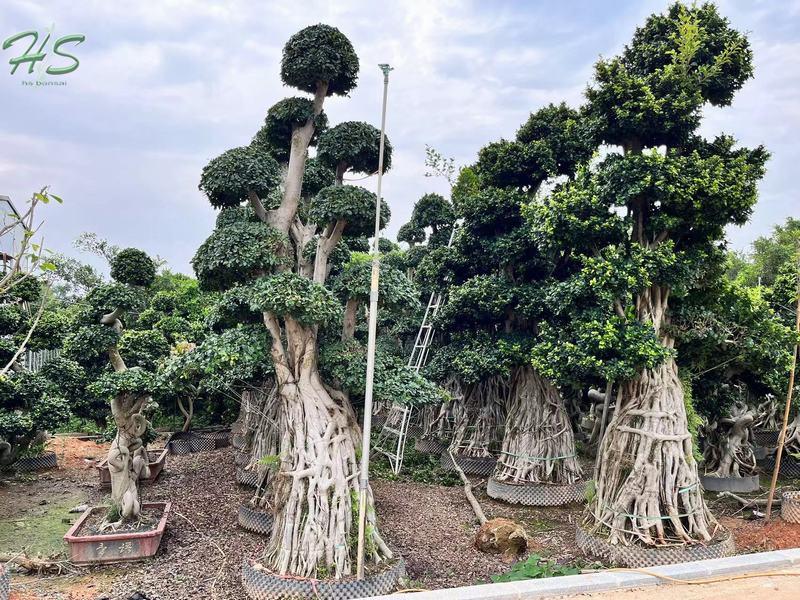
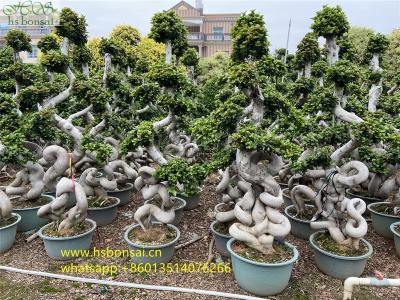
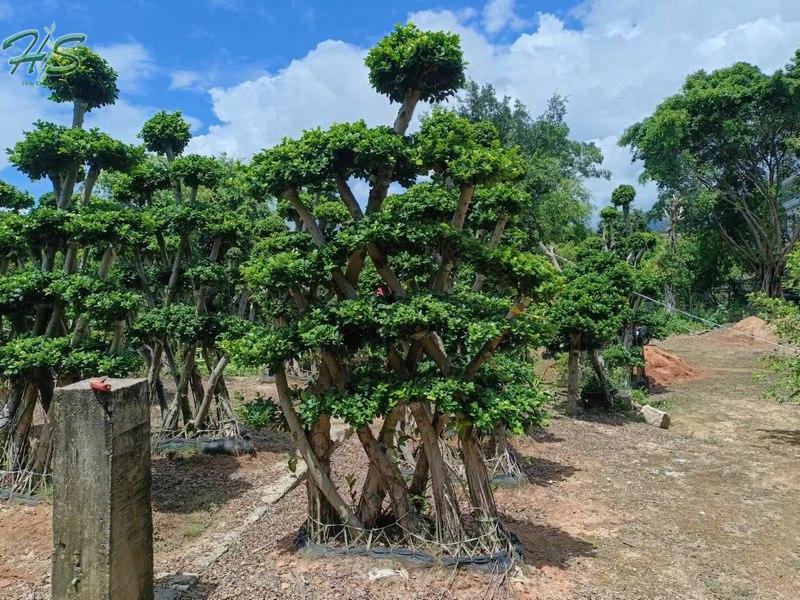
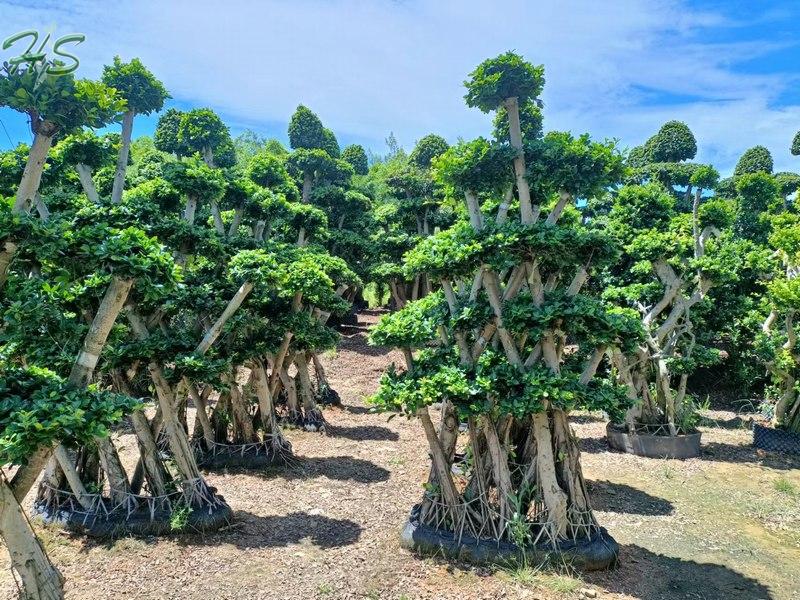
Ficus microcarpa bonsai dragon shape is a Artistic modeling, they are bonsai starter kit, can be used as a main garden view or suitable for city landscaping
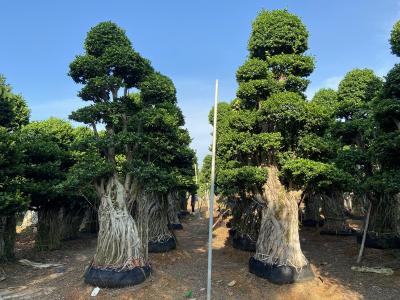
The best outdoor bonsai plants for offices and homes, Its a excellent landscape trees which has good tolerance to winter and summer season,the ficus bonsai is also proved to be one of the best air purifier tree
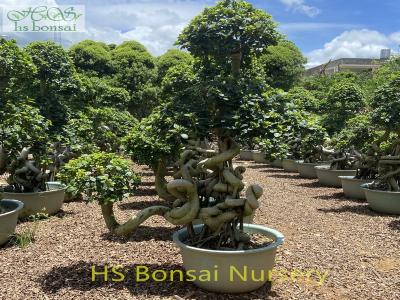
The best outdoor bonsai plants for offices and homes, Its a excellent landscape trees which has good tolerance to winter and summer season,the ficus bonsai is also proved to be one of the best air purifier tree
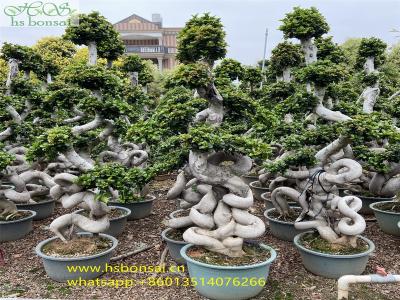
The best outdoor bonsai plants for offices and homes, Its a excellent landscape trees which has good tolerance to winter and summer season,the ficus bonsai is also proved to be one of the best air purifier tree
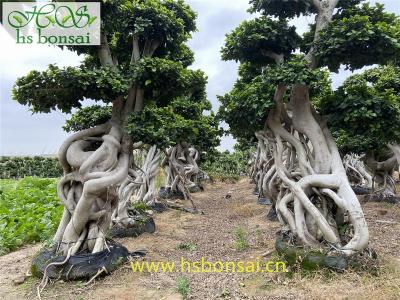
The best outdoor bonsai plants for offices and homes, Its a excellent landscape trees which has good tolerance to winter and summer season,the ficus bonsai is also proved to be one of the best air purifier tree
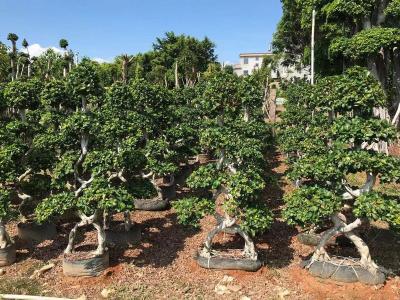
The best outdoor bonsai plants for offices and homes, Its a excellent landscape trees which has good tolerance to winter and summer season,the ficus bonsai is also proved to be one of the best air purifier tree

The best outdoor bonsai plants for offices and homes, Its a excellent landscape trees which has good tolerance to winter and summer season,the ficus bonsai is also proved to be one of the best air purifier tree
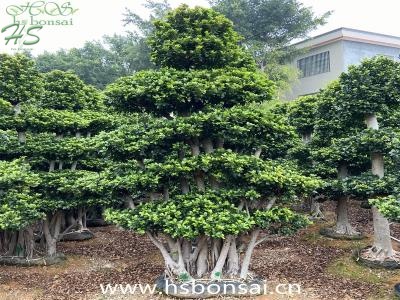
The best outdoor bonsai plants for offices and homes, Its a excellent landscape trees which has good tolerance to winter and summer season,the ficus bonsai is also proved to be one of the best air purifier tree



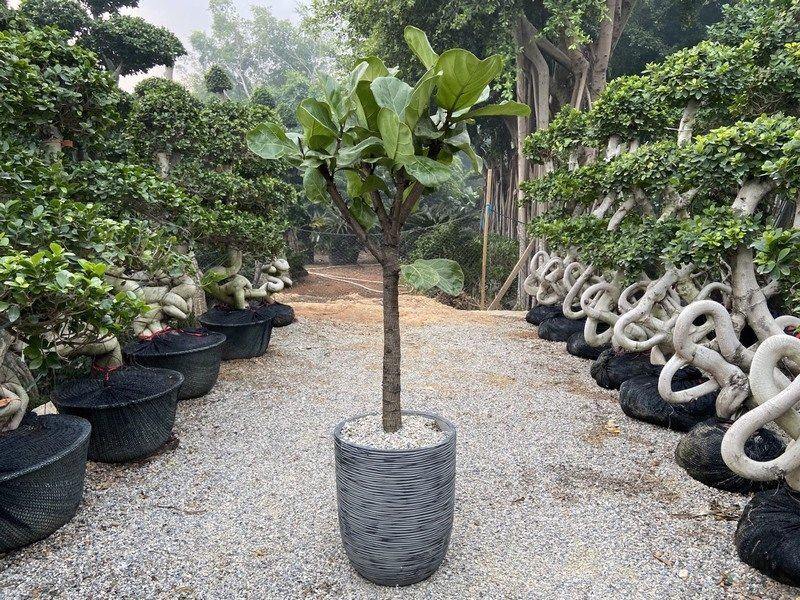 Ficus lollipop
 IPv6 network supported
 English
 español
 العربية