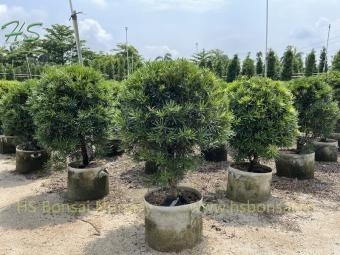
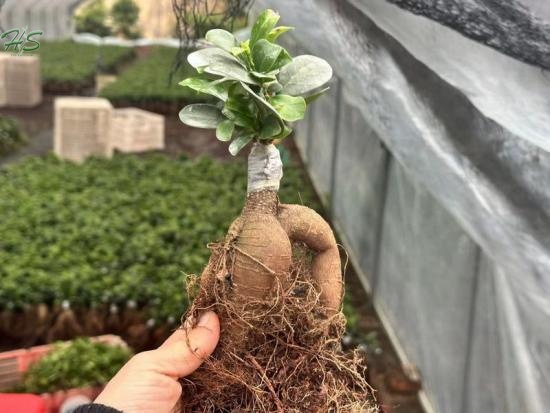
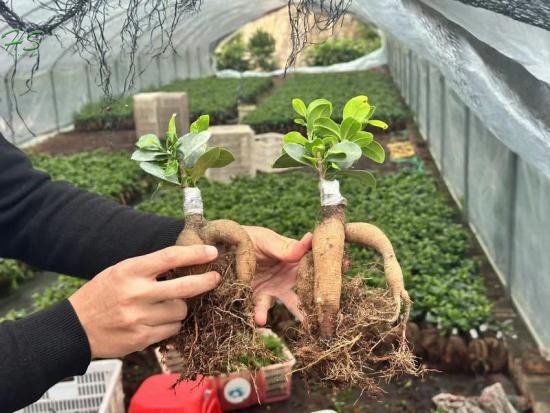
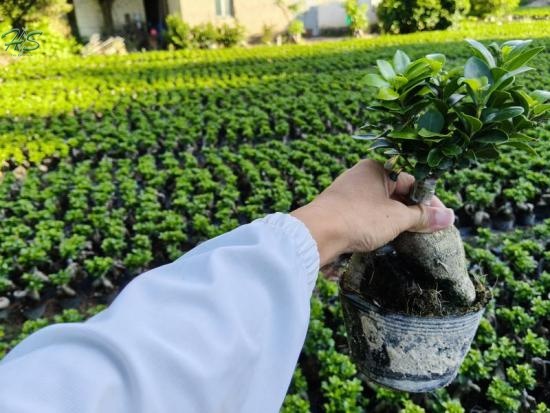
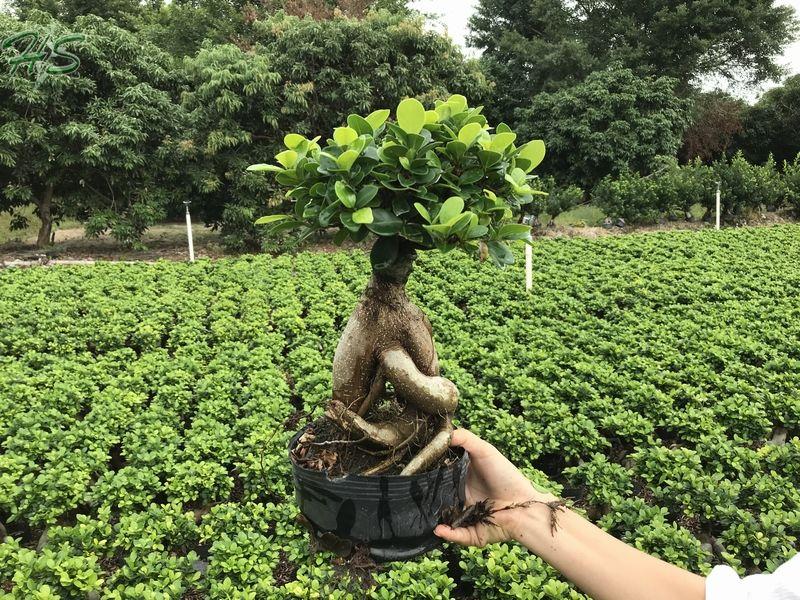
This ginseng ficus features a shorter bonsai style pot that accentuates the shape of the aerial root and stems. Ginseng Ficus can be kept both indoors and outdoors, and is also one of the most hardy species of Bonsai trees. A very easy plant to prune and care, the Ginseng Ficus Bonsai Tree is a perfect beginner bonsai tree.
Item NO.:
HSFMPayment:
T/TProduct Origin:
ChinaColor:
GreenShipping Port:
Xiamen portLead Time:
7-10day
Take care tips
|
Item name: |
Ficus Microcarpa Miniature Ginseng Bonsai |
|
Common name: |
Ficus tree, Monroe Ficus, Figs, chinese banyan |
|
Standard: |
Ficus microcarpa bonsai potted |
|
Temperature: |
The best temperature for ficus growing is 18-35 ℃. In winter, the ficus will be frost when the temperature under 10 ℃. Shortage of sunshine will make the leaves yellow and undergrowth |
|
Water: |
We suggest feed ficus bonsai enough water is necessary. Soil should be always wet. In summer, leaves should be sprayed water as well. |
|
Sunlight: |
The ficus likes the full sunlight. |
|
Fertilizer: |
Liquid feed during active growth in late spring and summer. higher frequency watering while feeder to avoid drug injury. |
|
Packing: |
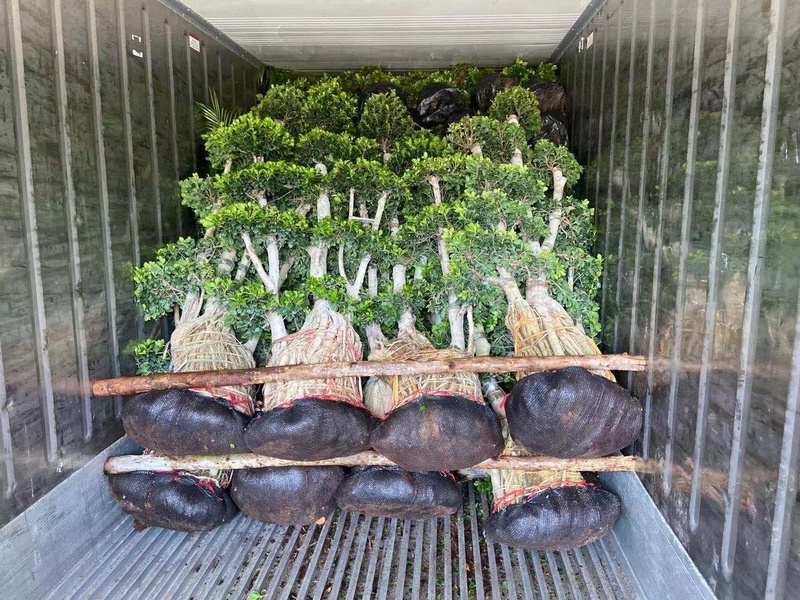
Packed with cocopeat and then into container |
|
Delivery time: |
7-14 days after confirmed for stock quantity |
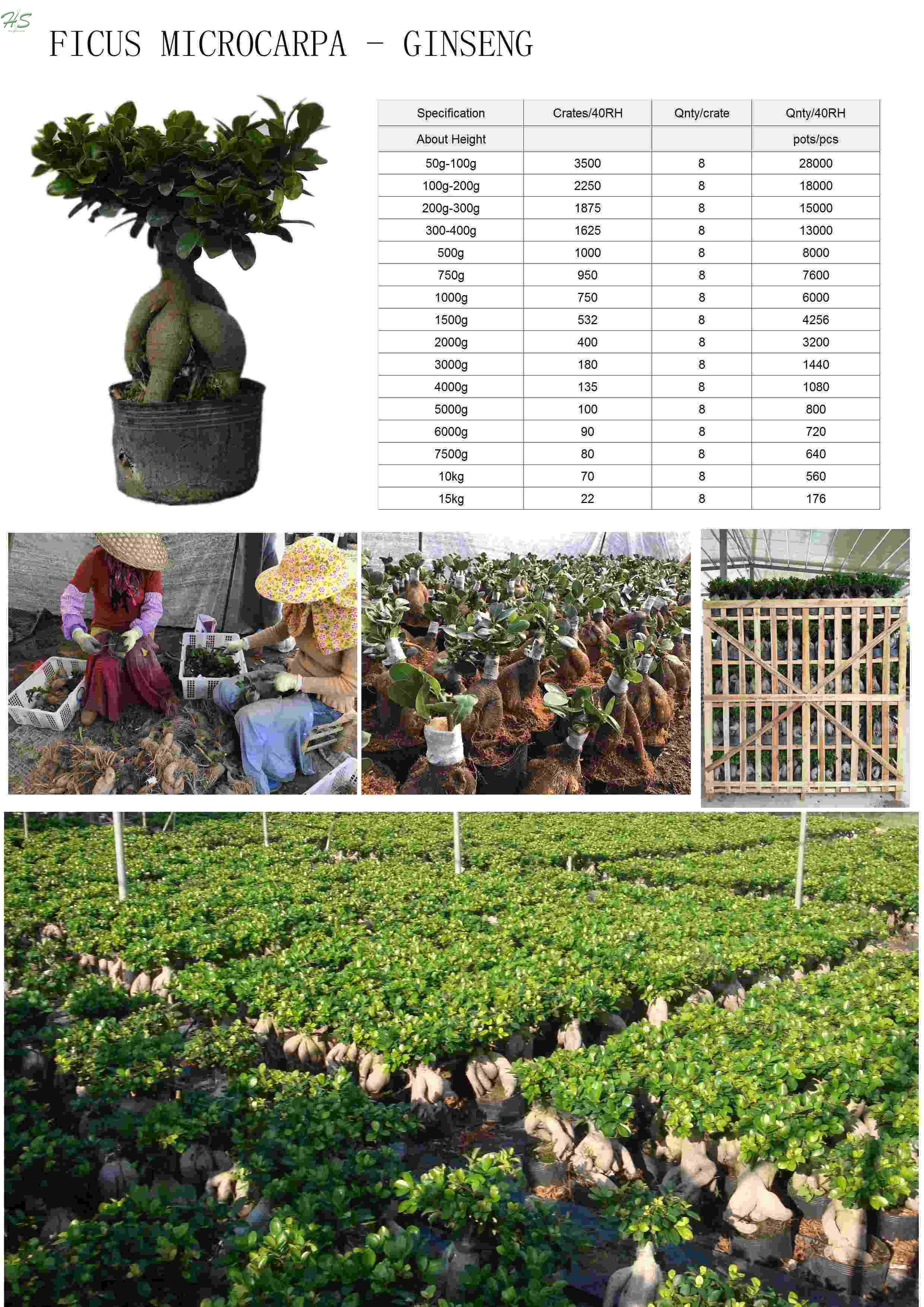
Product Overview
Loading Photos
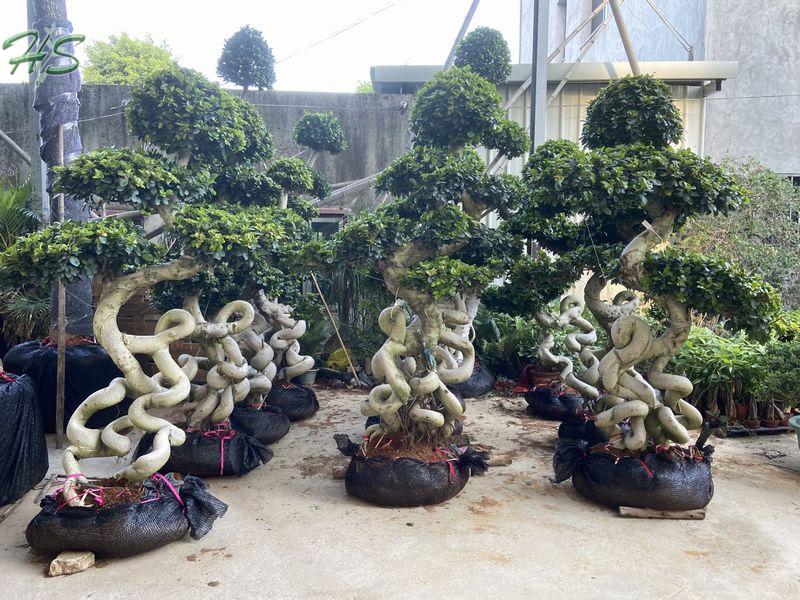

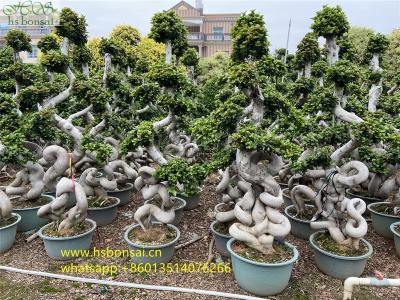
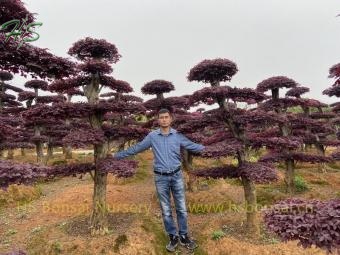
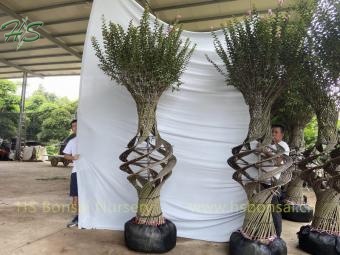
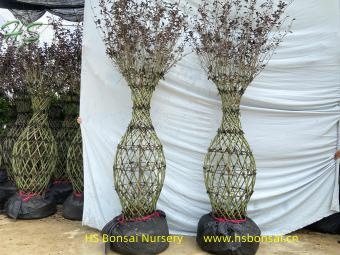
Ficus microcarpa bonsai dragon shape is a Artistic modeling, they are bonsai starter kit, can be used as a main garden view or suitable for city landscaping
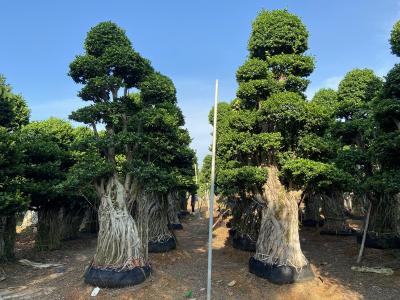
The best outdoor bonsai plants for offices and homes, Its a excellent landscape trees which has good tolerance to winter and summer season,the ficus bonsai is also proved to be one of the best air purifier tree
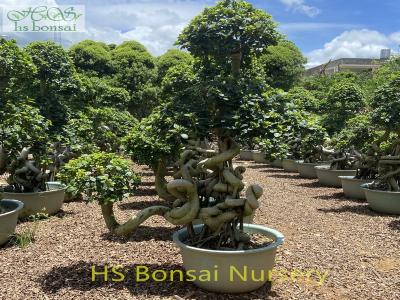
The best outdoor bonsai plants for offices and homes, Its a excellent landscape trees which has good tolerance to winter and summer season,the ficus bonsai is also proved to be one of the best air purifier tree
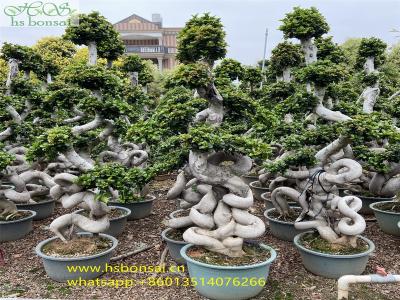
The best outdoor bonsai plants for offices and homes, Its a excellent landscape trees which has good tolerance to winter and summer season,the ficus bonsai is also proved to be one of the best air purifier tree
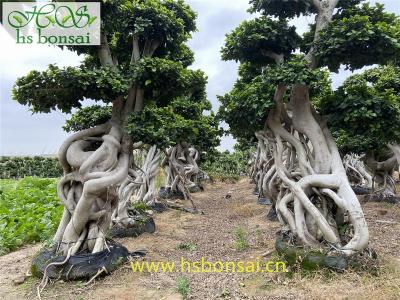
The best outdoor bonsai plants for offices and homes, Its a excellent landscape trees which has good tolerance to winter and summer season,the ficus bonsai is also proved to be one of the best air purifier tree
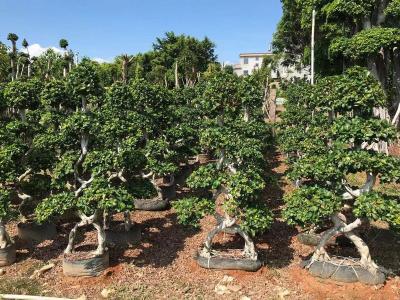
The best outdoor bonsai plants for offices and homes, Its a excellent landscape trees which has good tolerance to winter and summer season,the ficus bonsai is also proved to be one of the best air purifier tree
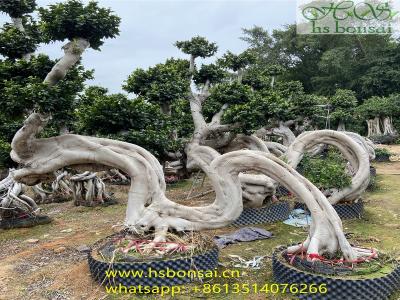
The best outdoor bonsai plants for offices and homes, Its a excellent landscape trees which has good tolerance to winter and summer season,the ficus bonsai is also proved to be one of the best air purifier tree
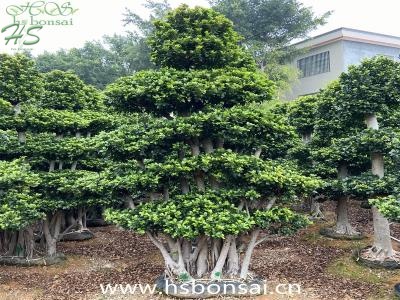
The best outdoor bonsai plants for offices and homes, Its a excellent landscape trees which has good tolerance to winter and summer season,the ficus bonsai is also proved to be one of the best air purifier tree



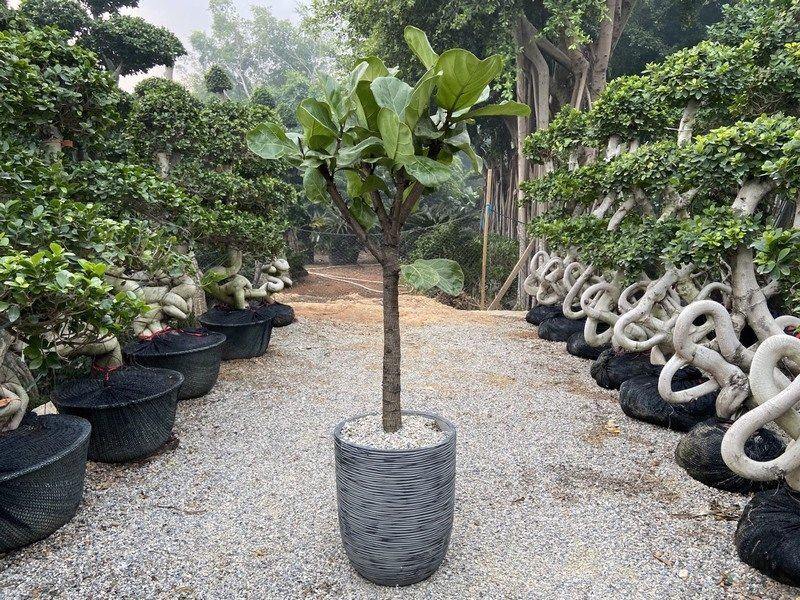 Ficus lollipop
 IPv6 network supported
 English
 español
 العربية