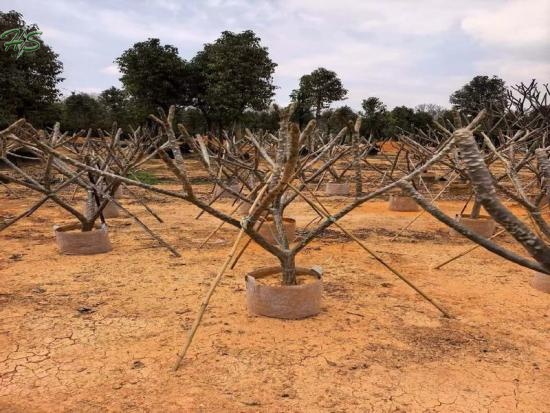
Frangipani: The Enchanting Flower of Tropical Shores With its intoxicating fragrance and waxy, perfectly formed blossoms, the frangipani is the quintessential symbol of the tropics. Known to many as the plumeria, this enchanting plant evokes images of Hawaiian leis, Balinese temples, and serene Caribbean beaches. Its beauty, however, is matched by a fascinating resilience and a rich cultural significance that spans the globe. A Study in Form and Fragrance The frangipani is a small deciduous tree, typically growing to a height of 5-8 meters. Its thick, succulent branches are often gnarled and knobby, forming a uniquely sculptural shape, especially when bare in the winter. The leaves are large, glossy, and prominently veined, clustering at the ends of the branches. But the true stars are, of course, the flowers. They grow in vibrant clusters at the branch tips, each bloom a masterpiece of simple geometry. The five broad, overlapping petals spiral out from a central core, creating a pinwheel-like shape that is both delicate and striking. The color palette is extensive and luscious, ranging from pure whites and creamy yellows to deep pinks, vibrant reds, and even soft pastels and multi-colors. The flowers are most abundant from summer through to autumn, filling the air with their most famous feature: a sweet, rich, and deeply alluring fragrance. This scent, often compared to citrus, jasmine, and gardenia, is most potent in the evening, as it helps attract its pollinator, the sphinx moth. A Master of Survival One of the most remarkable things about the frangipani is its hardiness. Despite its delicate appearance, it is a succulent plant. Its thick, fleshy branches store water, allowing it to thrive in hot, dry, and even poor soil conditions. It is highly salt-tolerant, which is why it flourishes so beautifully in coastal gardens. When its leaves drop in the winter, it enters a dormant state, conserving energy until the warmth and rains of spring return. This resilience makes it a forgiving and rewarding plant for gardeners in warm climates. A Flower of Many Meanings The frangipani’s journey across cultures has gifted it with a rich tapestry of meanings. In Polynesia, particularly in Hawaii, the plumeria is the traditional flower for making leis. Worn to celebrate special occasions, welcome visitors, or express love, the lei embodies the spirit of aloha. The color of the flower can carry specific meanings: pink represents romance, yellow symbolizes friendship, and white is for purity and spiritual devotion. It is a common tradition to wear a flower behind the ear; a flower over the right ear signals that you are single and looking for love, while over the left ear indicates you are taken. In Southeast Asia, the frangipani is deeply intertwined with spirituality. Known as the "temple tree" (cây đại in Vietnam, chăm-pa in Laos), it is a ubiquitous sight in the courtyards of Buddhist pagodas and Hindu temples. Its presence symbolizes immortality and the c...
Hot Tags :
Wholesale Frangipani
Beautiful Frangipani Sapling
Beautiful Photinia Davidsoniae
Garden Fence Plants Bougainvillea
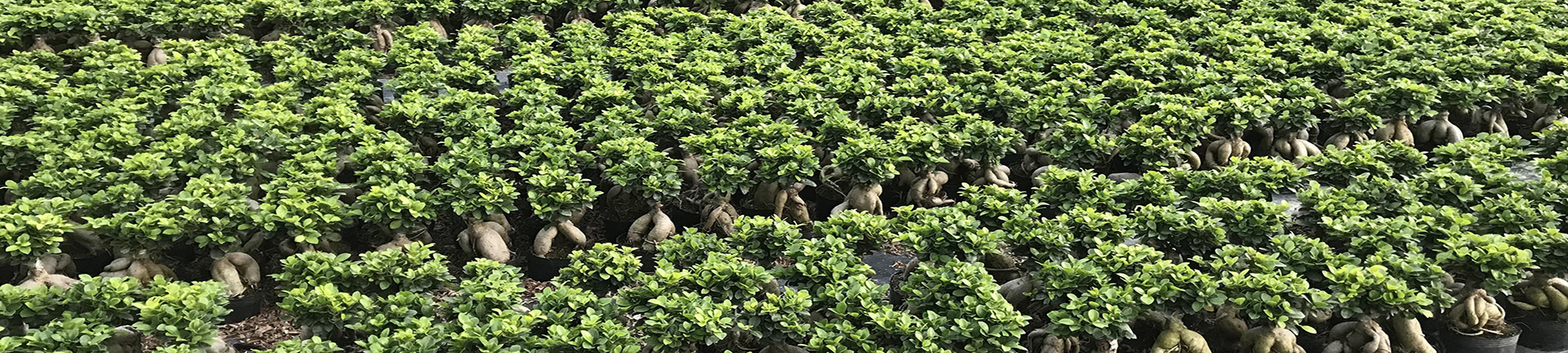
Care Guide Ficus Microcarpa Bonsai Tree Chinese
Read More
 English
 español
 العربية



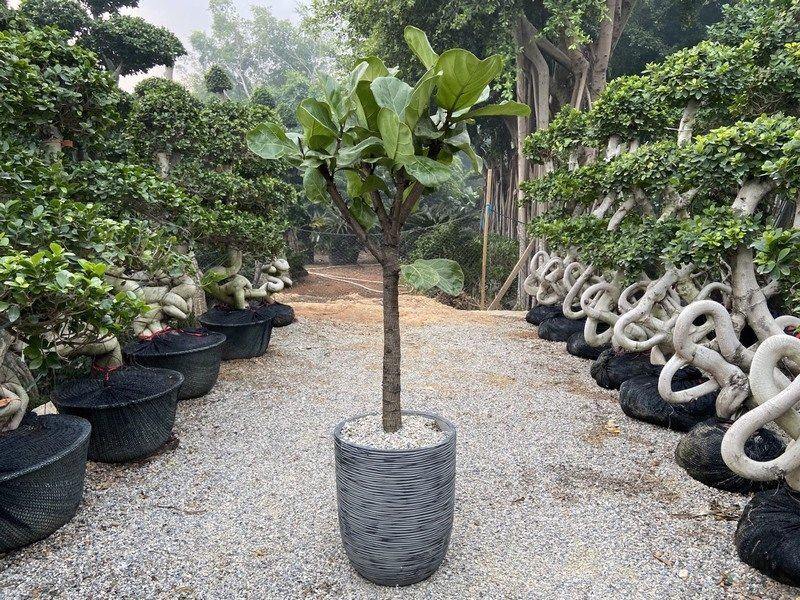 Ficus lollipop
 IPv6 network supported