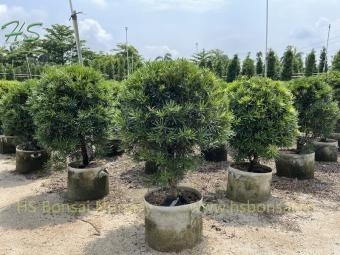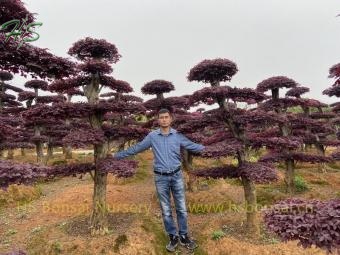
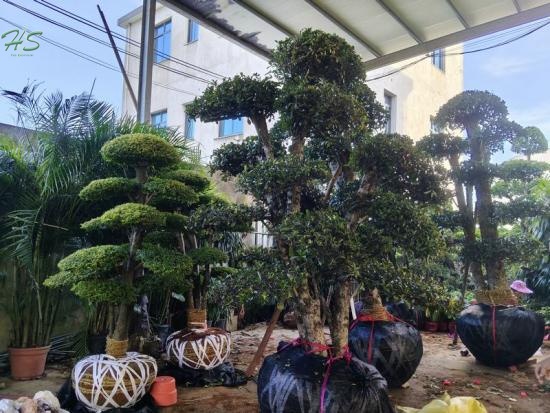
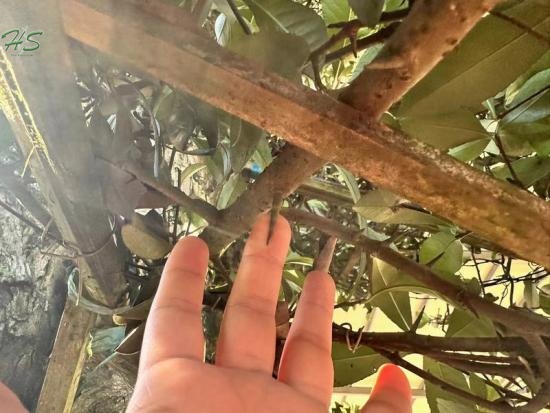
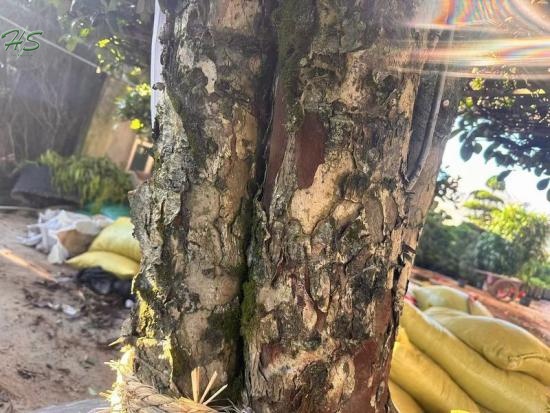
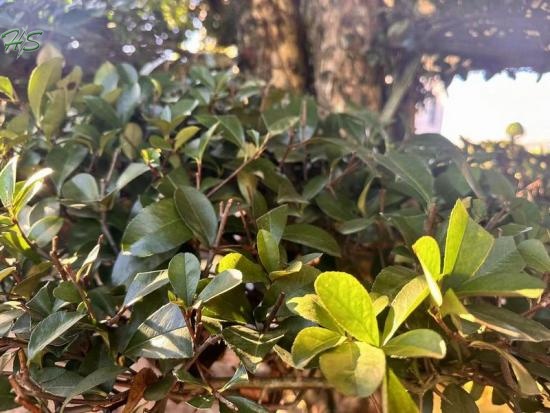
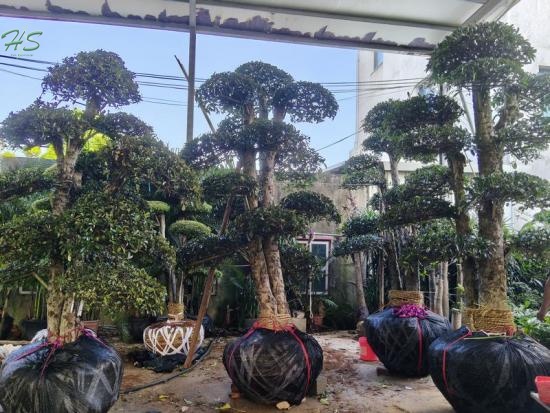
Photinia davidsoniae: The Davidson's Photinia
Photinia davidsoniae is a handsome evergreen tree or large shrub belonging to the Rosaceae family, highly valued in horticulture for its ornamental appeal and resilience. Native to the forests of China and Southeast Asia, it is a close relative of the more common Photinia × fraseri, but often possesses a more graceful, tree-like habit.
This species is celebrated for its striking foliage. The young leaves emerge in a brilliant, fiery red, creating a spectacular contrast against the mature, glossy dark green leaves. This vibrant display is most pronounced in spring but can continue with new flushes of growth throughout the warm season. In addition to its foliage, Photinia davidsoniae produces dense, flat-topped clusters of small, white flowers in late spring. These are followed by persistent, small red or orange pome fruits that attract birds and add winter interest.
A robust and adaptable plant, Photinia davidsoniae thrives in full sun to partial shade and is tolerant of a wide range of well-drained soils. It is often used as a striking specimen tree, a dense screening plant, or even trained as an espalier. Its combination of year-round evergreen structure, colorful foliage, and wildlife-friendly characteristics makes Photinia davidsoniae a distinguished and valuable choice for gardens and landscapes.
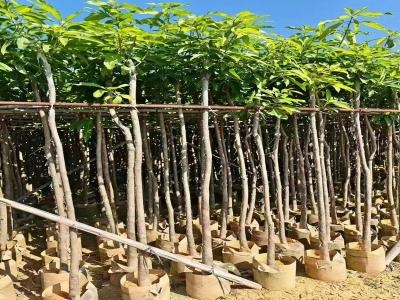
Mango cultivation requires attention to climate, soil, planting, and ongoing care to ensure healthy growth and a good harvest.
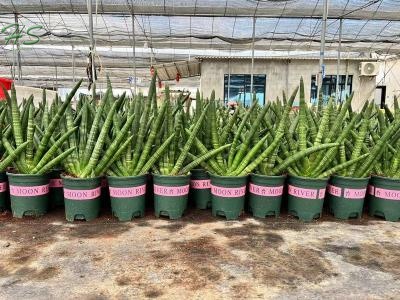
Commonly known as Dragon Fingers, this plant is the same as the braided snake sansevieria or Sansevieria Cylindrica. This striking houseplant is celebrated for its unique appearance, featuring long, upright, cylindrical leaves that resemble fingers reaching towards the sky. The leaves are typically green with beautiful patterns or variegations, adding a touch of elegance to any space.
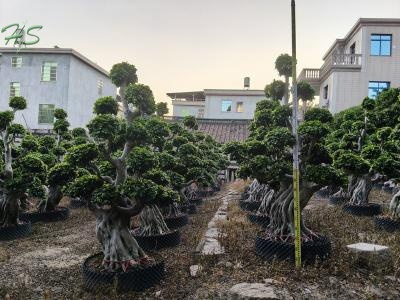
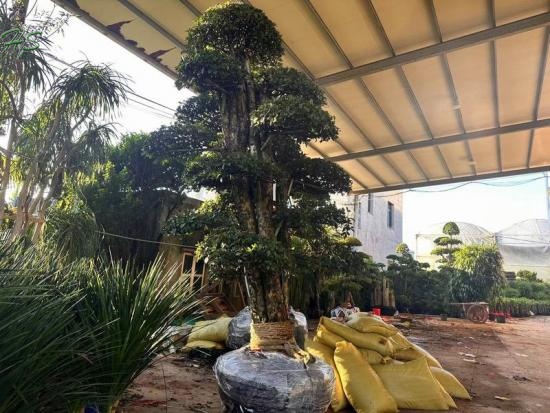
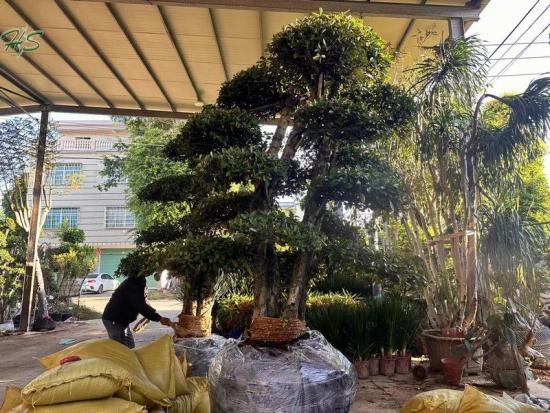
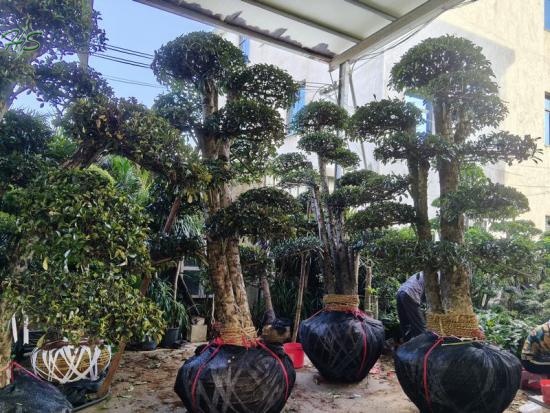
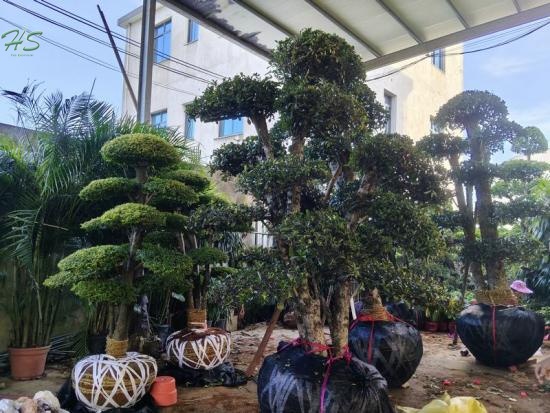
Ficus microcarpa tree, Ficus Microcarpa With Rounded Crown With Dense Ficus microcarpa is known for its aerial roots, which are produced from its branches and can extend down to the ground, anchoring the tree and providing additional support. These roots can give the tree a unique and distinctive appearance.The tree produces small, round to pear-shaped fruits that are about 1 cm in diameter. The fruits turn from green to purple when ripe, and they have a sweet flavor. However, the fruits are not commonly consumed by humans. Ficus microcarpa is a hardy tree that can adapt to a wide range of environmental conditions. It can tolerate both full sun and partial shade, and it is resistant to drought and moderate levels of salt spray. It can grow in various soil types, although it prefers well-drained soil. Ficus microcarpa is popularly cultivated as an ornamental tree in gardens, parks, and along streetscapes due to its attractive foliage and ability to provide shade. It is also commonly used for bonsai cultivation due to its small leaves and aerial roots. In some tropical regions, it is considered a sacred tree and is planted near temples or used in religious ceremonies.
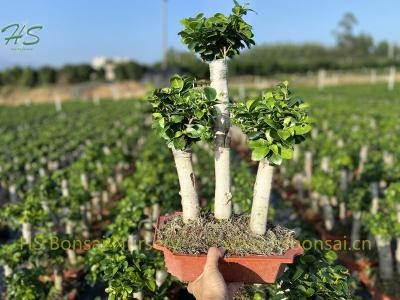
Here's a brief advertising description for the Ficus microcarpa, also known as the Banyan tree: "Discover the beauty and resilience of the Ficus microcarpa, a treasured addition to any landscape. With its unique small leaves and sturdy trunk, the Banyan tree offers a refreshing break from the ordinary. Ideal for enhancing yards, parks, and commercial settings, the Ficus microcarpa offers unparalleled elegance and adaptability. Let the Banyan tree bring its rich green presence and cooling shade to your world."

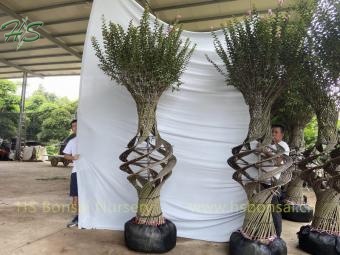
The Pachira five braid, also known as the Tree, is a popular houseplant that is characterized by its braided trunk. The braiding technique is applied to young Pachira plants by carefully twisting and intertwining the stems as they grow, creating a unique, decorative look. The Pachira five braid refers specifically to a Pachira plant with five braided stems.
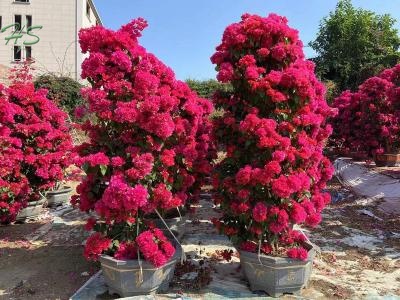
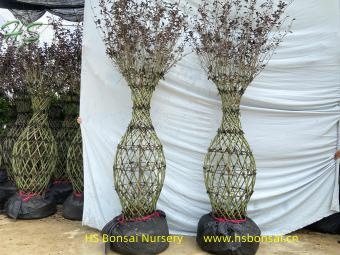
Bougainvillea are popular ornamental plants in most areas with warm climates, they can be use as the garden or the fence decoration
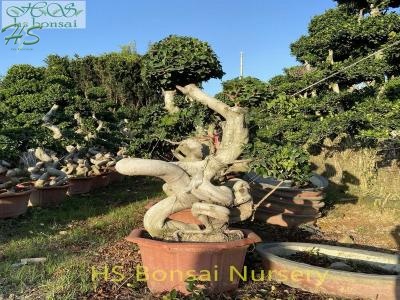
Ficus are one of the most popular large houseplants, they are easy and low maintenance. The best outdoor bonsai plants for offices and homes, Its a excellent landscape trees which has good tolerance to winter and summer season,the ficus bonsai is also proved to be one of the best air purifier tree
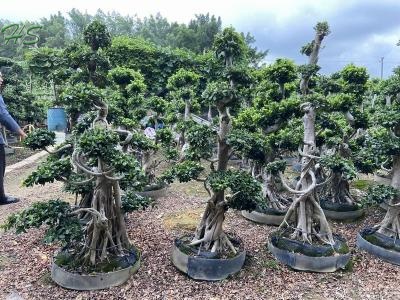
Ficus are one of the most popular large houseplants, they are easy and low maintenance. The best outdoor bonsai plants for offices and homes, Its a excellent landscape trees which has good tolerance to winter and summer season. The ficus bonsai is also proved to be one of the best air purifier tree



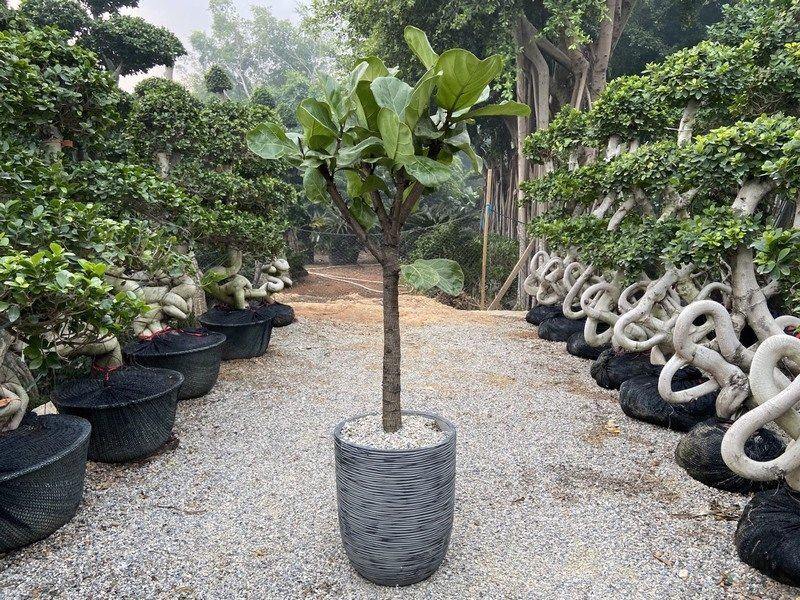 Ficus lollipop
 IPv6 network supported
 English
 español
 العربية