Frangipani: The Enchanting Flower of Tropical Shores
With its intoxicating fragrance and waxy, perfectly formed blossoms, the frangipani is the quintessential symbol of the tropics. Known to many as the plumeria, this enchanting plant evokes images of Hawaiian leis, Balinese temples, and serene Caribbean beaches. Its beauty, however, is matched by a fascinating resilience and a rich cultural significance that spans the globe.
A Study in Form and Fragrance
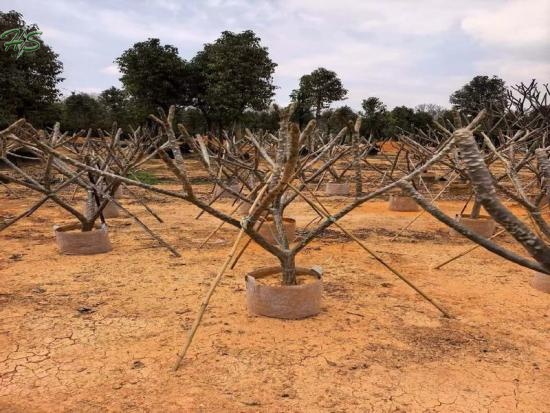
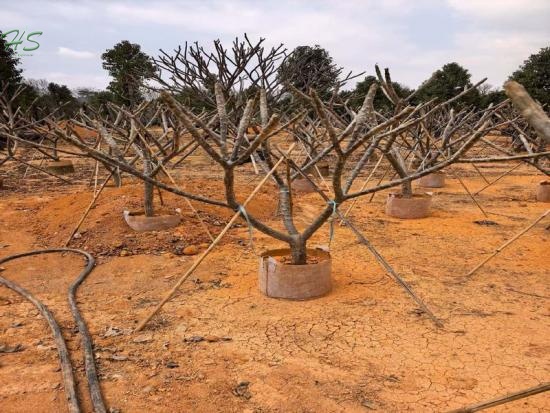
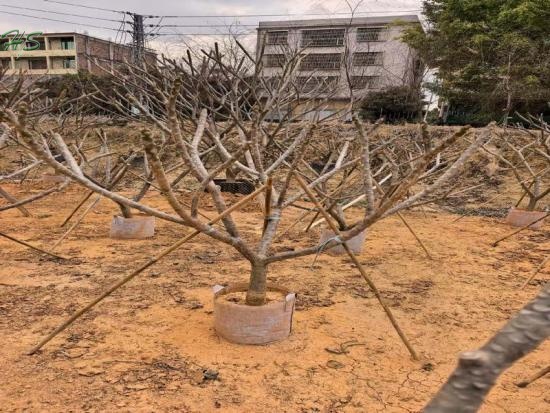
The frangipani is a small deciduous tree, typically growing to a height of 5-8 meters. Its thick, succulent branches are often gnarled and knobby, forming a uniquely sculptural shape, especially when bare in the winter. The leaves are large, glossy, and prominently veined, clustering at the ends of the branches.
But the true stars are, of course, the flowers. They grow in vibrant clusters at the branch tips, each bloom a masterpiece of simple geometry. The five broad, overlapping petals spiral out from a central core, creating a pinwheel-like shape that is both delicate and striking. The color palette is extensive and luscious, ranging from pure whites and creamy yellows to deep pinks, vibrant reds, and even soft pastels and multi-colors. The flowers are most abundant from summer through to autumn, filling the air with their most famous feature: a sweet, rich, and deeply alluring fragrance. This scent, often compared to citrus, jasmine, and gardenia, is most potent in the evening, as it helps attract its pollinator, the sphinx moth.
A Master of Survival
One of the most remarkable things about the frangipani is its hardiness. Despite its delicate appearance, it is a succulent plant. Its thick, fleshy branches store water, allowing it to thrive in hot, dry, and even poor soil conditions. It is highly salt-tolerant, which is why it flourishes so beautifully in coastal gardens. When its leaves drop in the winter, it enters a dormant state, conserving energy until the warmth and rains of spring return. This resilience makes it a forgiving and rewarding plant for gardeners in warm climates.
A Flower of Many Meanings
The frangipani’s journey across cultures has gifted it with a rich tapestry of meanings.
In Polynesia, particularly in Hawaii, the plumeria is the traditional flower for making leis. Worn to celebrate special occasions, welcome visitors, or express love, the lei embodies the spirit of aloha. The color of the flower can carry specific meanings: pink represents romance, yellow symbolizes friendship, and white is for purity and spiritual devotion. It is a common tradition to wear a flower behind the ear; a flower over the right ear signals that you are single and looking for love, while over the left ear indicates you are taken.
In Southeast Asia, the frangipani is deeply intertwined with spirituality. Known as the "temple tree" (cây đại in Vietnam, chăm-pa in Laos), it is a ubiquitous sight in the courtyards of Buddhist pagodas and Hindu temples. Its presence symbolizes immortality and the cycle of life, death, and rebirth, likely because even a broken branch can be planted to grow into a new tree. The fragrant blossoms are a common offering to deities like Buddha and Vishnu, placed on altars and scattered during ceremonies.
In Mesoamerica, where the tree is native, it held sacred significance for the Aztecs and Mayans, who used it in various rituals and medicines.
The Origin of the Name: Frangipani
The name "frangipani" has a romantic, if somewhat grisly, origin story. It is believed to come from an Italian noble family from the 16th century, the Marquis Frangipani. The family created a unique perfume used to scent gloves, which became wildly popular across Europe. When this new, exquisitely fragrant flower was later discovered in the tropics, European explorers named it "frangipani" after the famous perfume, believing the flower must be its source. The scientific name, Plumeria, honors the 17th-century French botanist Charles Plumier, who documented the plant during his travels to the Americas.
Bringing the Tropics Home
For those living in frost-free climates (USDA zones 10-12), the frangipani is a low-maintenance and stunning addition to any garden. It requires full sun and well-drained soil. Overwatering is the quickest way to harm it. For gardeners in cooler regions, it can be successfully grown in a pot, which allows it to be moved to a protected, frost-free area like a garage or greenhouse during the cold winter months.
Whether you know it as plumeria, frangipani, or temple tree, this remarkable plant is more than just a pretty flower. It is a symbol of hospitality, a conduit for the divine, and a living testament to the simple, breathtaking beauty of the natural world. Its fragrance alone is enough to transport you to a sun-drenched paradise, making it a truly enchanting presence wherever it grows.
.
The Ultimate Guide to Plumeria Care: How to Grow and Thrive
The plumeria, with its heavenly scent and vibrant blooms, is a favorite among gardeners in warm climates. While it has a reputation for being a tough, drought-tolerant plant, providing the right care is essential to ensure a spectacular display of flowers. Whether you are planting one in your garden or growing it in a pot, this guide will walk you through everything you need to know.
The golden rule of plumeria care can be summed up in two words: Sun and Drainage. Get these two things right, and you are most of the way there.
1. The Non-Negotiables: Light and Temperature
Sunlight is Fuel: Plumerias are sun-worshippers. To produce their iconic flowers, they need at least 6 hours of direct sunlight per day (preferably more). A lack of sun will result in a "leggy" plant with long, weak growth and few to no flowers. In very hot, desert-like climates, they might appreciate a little afternoon shade to prevent leaf scorch, but generally, the more sun, the better.
Temperature Matters: These are tropical plants that thrive in heat. They cannot tolerate frost. If temperatures in your area drop below 40°F (4°C), you must protect them.
In the ground: Be prepared to cover them during unexpected cold snaps.
In pots: This is the easier option. You can simply move the pot into a garage, shed, or indoors for the winter.
2. The Most Common Mistake: Watering
Plumerias are succulents, meaning they store water in their thick trunks and branches. Overwatering is the number one cause of death for these plants, leading to root rot.
The "Soak and Dry" Method: Water your plumeria deeply, and then allow the soil to dry out completely before watering again.
Seasonal Schedule:
Growing Season (Spring & Summer): Water thoroughly, perhaps once a week, depending on your climate and soil. If the leaves look droopy or the soil is bone dry, it's time to water.
Dormancy (Autumn & Winter): This is critical. When the leaves start to yellow and drop in the fall, you must stop watering. During winter dormancy, the plant needs no water at all. If you water a dormant plumeria, the soggy, cold roots will almost certainly rot.
3. Soil and Planting: Drainage is Everything
Soil Type: Standard garden soil is often too heavy and retains too much moisture. You need a sandy, gritty, and fast-draining soil mix.
For pots: A cactus or succulent potting mix is ideal. You can also make your own by mixing 2 parts regular potting soil with 1 part perlite or coarse sand.
For the ground: If your garden soil is heavy clay, plant your plumeria in a raised bed or a mound to ensure water drains away from the roots.
Planting Depth: Plant it at the same depth it was in the nursery pot. Burying the trunk too deep can encourage rot.
4. Food for Flowers: Fertilizing
Plumerias are not heavy feeders, but they benefit from the right nutrition to fuel their blooming.
What to use: Look for a fertilizer with a high middle number (Phosphorus) , such as a 10-50-10 or 15-30-15 formula. The phosphorus is what encourages big, healthy blooms.
What to avoid: Avoid fertilizers with high nitrogen (the first number), as this will give you lots of green leaves but few flowers.
When to feed: Begin fertilizing in early spring when new growth appears. Apply every 2-3 weeks throughout the spring and summer. Stop fertilizing in late summer or early fall to allow the plant to prepare for dormancy.
5. Pruning and Maintenance
Why prune: Pruning helps shape the tree, remove dead or crossing branches, and encourages branching, which leads to more flower clusters.
When to prune: The best time is in late winter or early spring, just before the new growth emerges.
How to prune: Use clean, sharp pruning shears. Make your cuts at a 45-degree angle. A word of caution: when you cut a branch, the plant will ooze a milky, white sap. This sap can be a skin irritant for some people, so it's wise to wear gloves.
6. Pests and Problems
Plumerias are relatively pest-free, but they can occasionally be bothered by:
Spider Mites: These tiny pests often appear in dry, dusty conditions. You might see fine webbing or stippled leaves. A strong blast of water from the hose or insecticidal soap can control them.
Mealybugs: These look like small bits of white cotton, usually hiding in leaf axils or on new growth. Treat them by dabbing with rubbing alcohol or using neem oil.
Rust Fungus: This is a common issue, characterized by orange or yellow powdery spots on the undersides of leaves. While unsightly, it rarely kills the plant. Remove and dispose of affected leaves, and ensure good air circulation around the plant.
Special Notes for Potted Plumerias
Growing plumerias in containers is a great option, especially for those in cooler climates.
Pot Size: Plumerias actually prefer to be slightly root-bound, as this often encourages blooming. Don't put a small plant in a huge pot. Choose a pot that is only slightly larger than the root ball and has plenty of drainage holes. Terracotta pots are excellent because they are porous and allow the soil to dry out faster.
Overwintering: When temperatures drop in the fall, bring your potted plumeria indoors to a cool, dark place like a basement or garage. It will drop its leaves and go dormant. Remember: no water and no light until spring. When you see new growth starting in late winter or early spring, move it back into the sun and resume watering.
By following these simple guidelines, your plumeria will reward you year after year with its stunning, fragrant flowers, bringing a true touch of the tropics to your home.
Quick Care Summary
Sunlight Full sun (6+ hours daily)
Water Deeply, then let soil dry completely. Stop in winter.
Soil Fast-draining, sandy/ gritty (cactus mix is perfect)
Fertilizer High-phosphorus (e.g., 10-50-10) in spring & summer
Temp. Min Above 40°F (4°C); protect from frost
Dormancy Normal in winter; plant drops leaves, needs no water
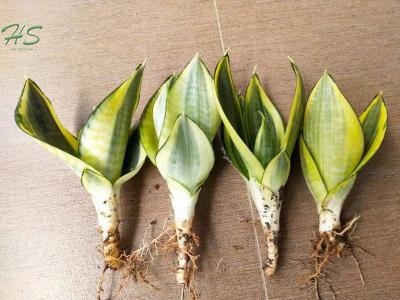
The sansevieria trifasciata superba is most commonly found house and office plant, due to its ability to live with neglect. One of the best air purifying plants out there. There are multiple varieties of Sansevieria trifasciata that come in varying sizes, heights, and color patterns
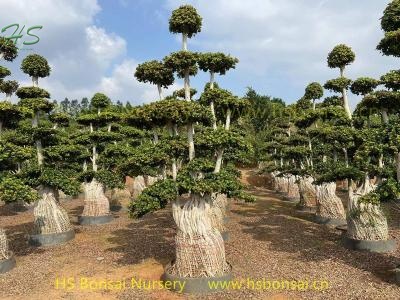
Also known as the common Fig and Chinese Banyan, the ficus bonsai tree grows naturally in Southwest Asia, special in China. Most of them tropical and evergreen
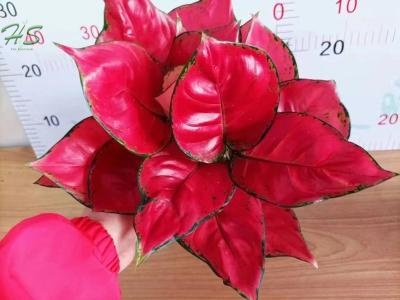
Aglaonema is a genus of flowering plants in the arum family, Araceae. They are native to tropical and subtropical regions of Asia. Aglaonema is a beautiful indoor plants , many different variety which belong to Aglaonema , this variety is the Aglaonema Rich Red , have very shiny red color .
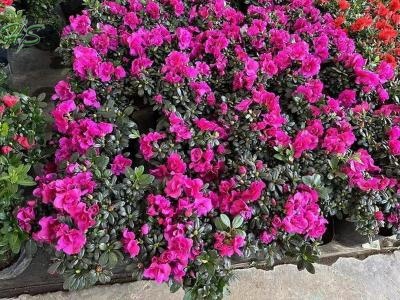
Rhododendron, commonly known as azalea, is a beautiful flowering plant belonging to the Ericaceae family. It is native to various parts of the world, including Asia, Europe, and North America, and is renowned for its vibrant and colorful flowers. Rhododendron has lush branches and leaves, beautiful and colorful, strong sprouting power, and is resistant to pruning. Its unique roots make it an excellent material for bonsai.
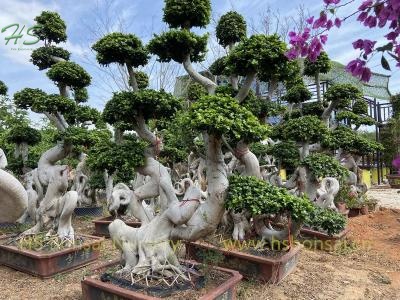
The Aerial Special Root Ficus Bonsai also know as Chinese Banyan (Ficus Microcarpa). is part of the Mulberry family there are many different varieties, but this excellent ficus microcarpa aerial root bonsai tree has Unique Swollen Roots that stand above the soil and pot, which are beautiful in their own way, the shape are unique, some like horse bonsai, some like butterfly, there are the nice plant for outdoor.
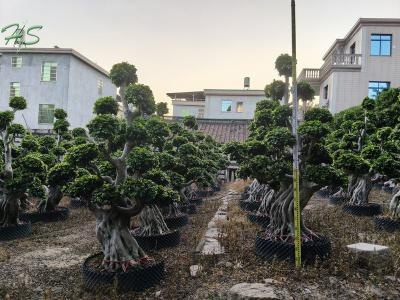
The shima root bonsai Tree is a stunning example of the art of bonsai, with its gnarled trunk and verdant foliage. Its intricate root system and aged appearance give it a sense of dignity and history, making it a prized addition to any collection.
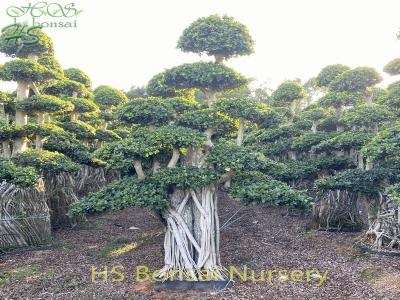
Ficus are one of the most popular large houseplants, they are easy and low maintenance. The best outdoor bonsai plants for offices and homes, Its a excellent landscape trees which has good tolerance to winter and summer season. The ficus bonsai is also proved to be one of the best air purifier tree
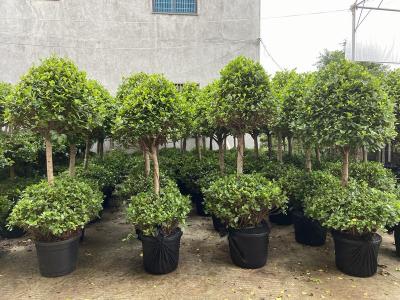
The ficus panda botanical name is Ficus retusa we have one ball, two ball, three ball, pyramid, cage, s shape etc.



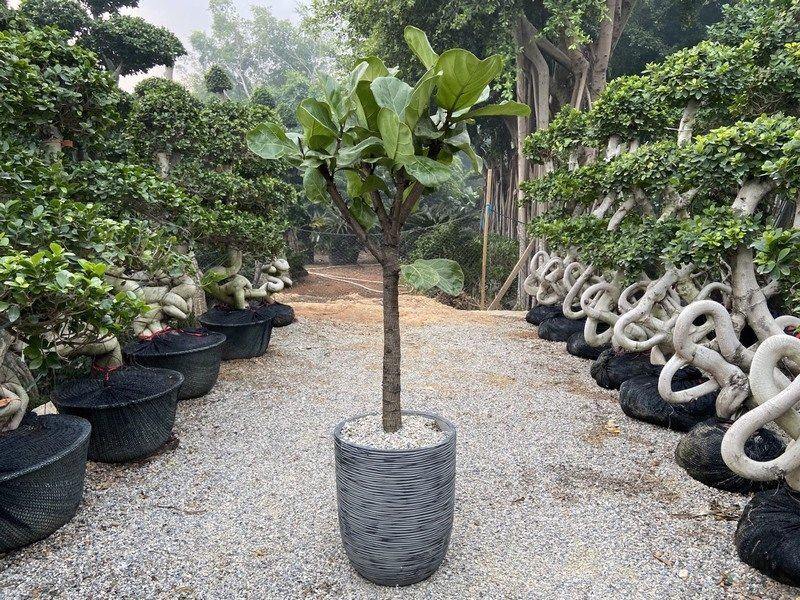 Ficus lollipop
 IPv6 network supported
 English
 español
 العربية