Succulent
Home /

Succulent

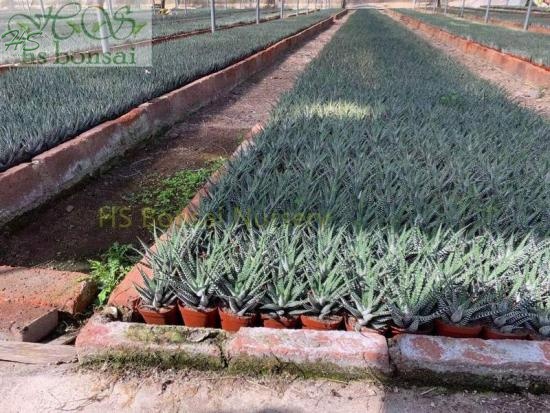
/Houseplants easy care Haworthia

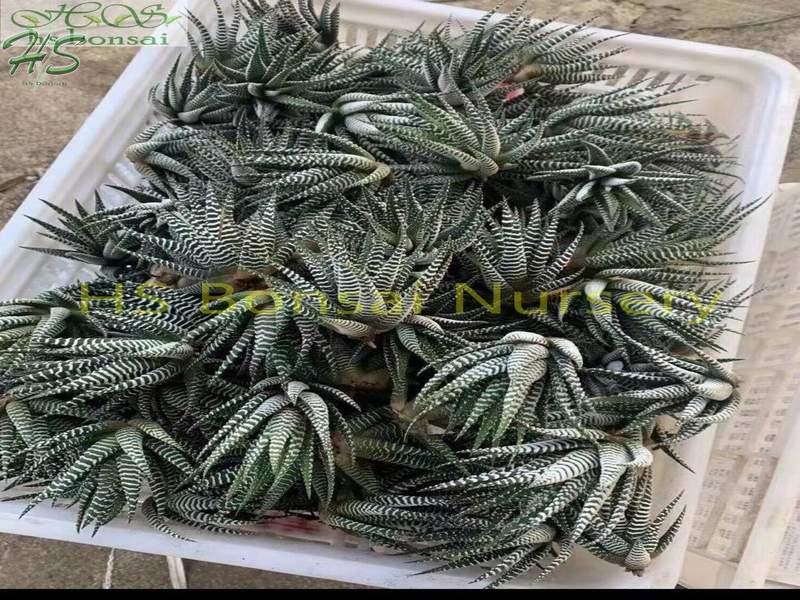
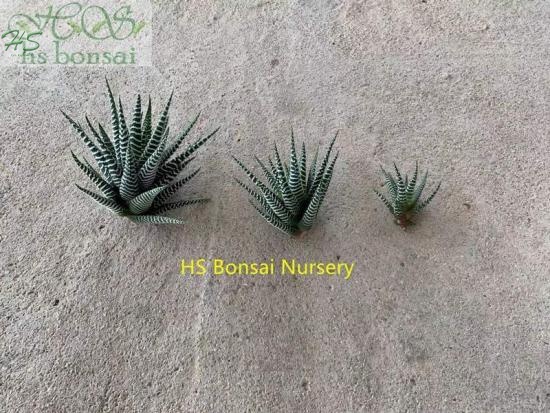
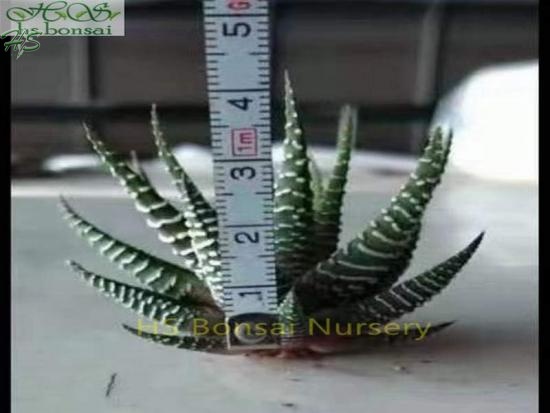
Houseplants easy care Haworthia

Succulents as a whole have very similar care needs. But sometimes particular plants will need slightly different amounts of water or sunlight than others.

  • Item NO.:

    HSSU
  • Payment:

    T/T
  • Product Origin:

    China
  • Color:

    Green, copper, purple, red colorful
  • Shipping Port:

    Xiamen port
  • Lead Time:

    7-10day
  • Goods Stock:

    1000000
Product Details

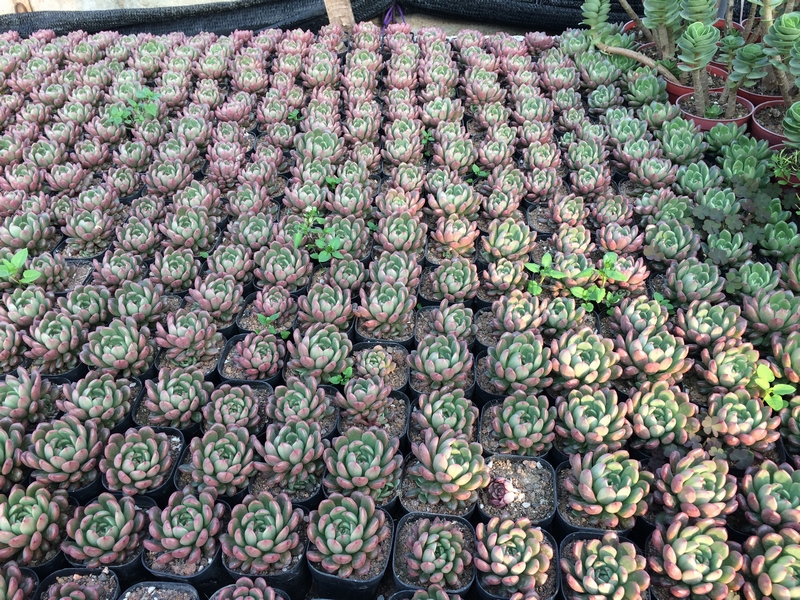
Aucculents, are plants with parts that are thickened, fleshy, and engorged,In horticultural use, the term succulent is sometimes used in a way that excludes plants that botanists would regard as succulents, such as cacti. Succulents are often grown as ornamental plants because of their striking and unusual appearance, as well as their ability to thrive with relatively minimal care.
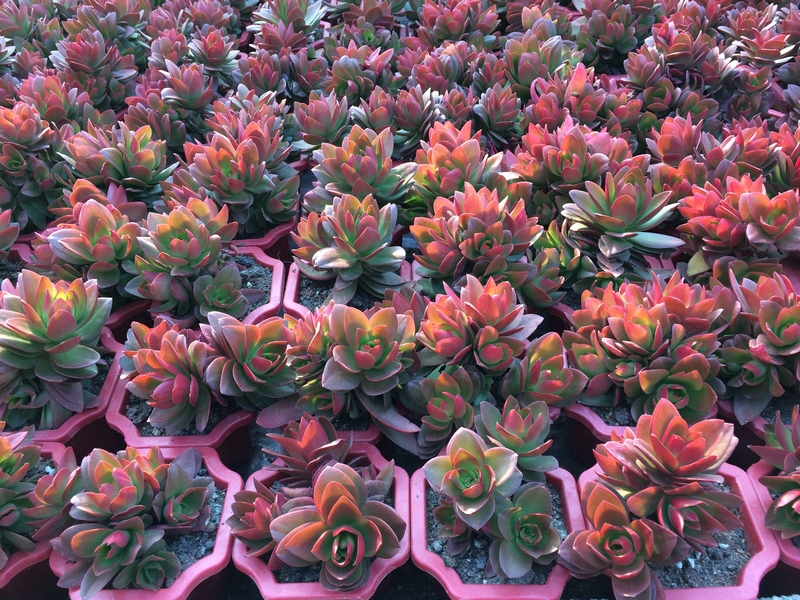
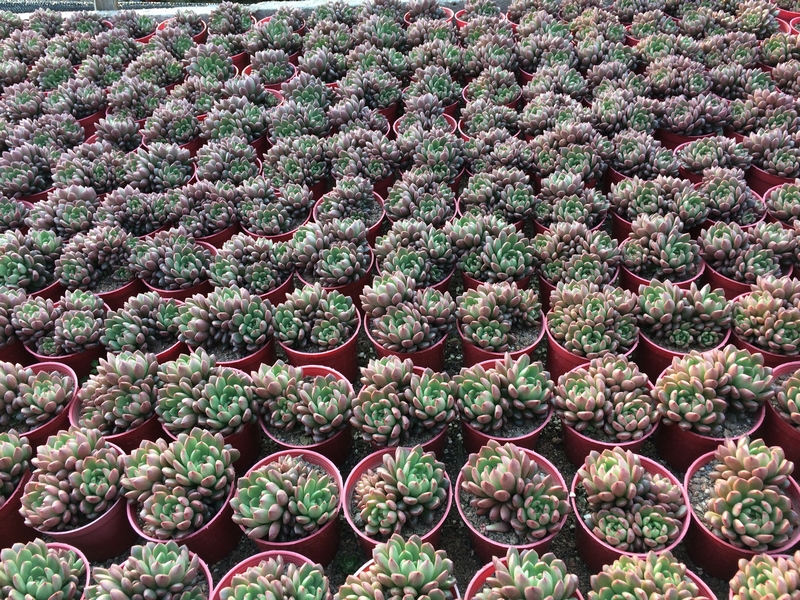
Houseplants easy care HaworthiaHouseplants easy care HaworthiaHouseplants easy care Haworthia


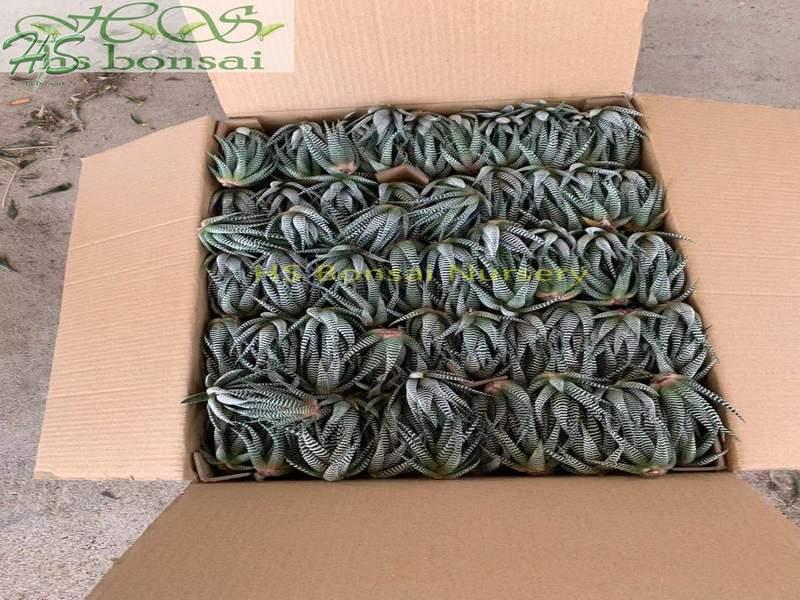
package photos


Houseplants easy care HaworthiaHouseplants easy care Haworthia

Leave A Message
If you have questions or suggestions,please leave us a message,we will reply you as soon as we can!
Related Products
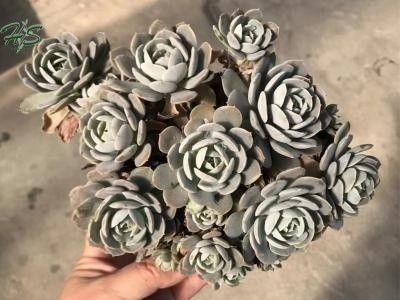
Sempervivum, Mammillaria, echeveria
succulents varieties

Succulents as a whole have very similar care needs. But sometimes particular plants will need slightly different amounts of water or sunlight than others.
Best Sellers BeautifulStone Ficus Bonsai
Ficus Ginseng Combine With Stone Bonsai Trees

Ficus ginseng combines with stone to create a unique piece of art. The stone, usually a natural formation with intricate patterns, is carefully chosen and matched with a fig tree root that has a similar shape and texture. The fig tree root is then carefully carved and polished to highlight its natural beauty and complement the stone. The result is a harmonious blend of natural elements that captures the essence of both the stone and the fig tree. Stone figs are a testament to the wonders of nature and a beautiful addition to any collection.

Aglaonema 'Hong Yan'
Good Quality Aglaonema 'Hong Yan'

Aglaonema is a genus of flowering plants in the arum family, Araceae. They are native to tropical and subtropical regions of Asia. Aglaonema is a beautiful indoor plants ,  many different variety which belong to Aglaonema , this variety is the Aglaonema Rich Red , have very shiny red color .

The Four Seasons Camellia

A Complete Guide to Sasanqua Camellia Care The sasanqua camellia is a beloved evergreen shrub known for its beautiful fall and winter flowers, glossy foliage, and versatile growth habit. Unlike its spring-blooming cousin (Camellia japonica), the sasanqua is generally sun-hardier and more adaptable. With proper care, it will reward you with a stunning display of color during the cooler months. 1. Light Requirements Sasanqua camellias thrive in dappled sunlight or partial shade. They perform best with about 4-6 hours of morning sun, which is gentler and helps dry dew from the leaves, preventing fungal diseases. They can tolerate more sun than other camellias, especially in cooler climates, but should be protected from the intense, hot afternoon sun which can scorch the leaves and bleach the flowers. Ideal: Morning sun with afternoon shade. 2. Soil & Planting The single most important factor for camellias is soil quality. They demand well-draining, acidic soil (pH between 5.0 and 6.5). Drainage is critical: They will not tolerate "wet feet" or waterlogged soil, which leads to root rot. Acidity is key: If your soil is neutral or alkaline, amend it generously with peat moss, composted pine bark, or leaf mold. Using an ericaceous (acid-loving) compost is ideal. Planting: Dig a hole twice as wide as the root ball but no deeper. The top of the root ball should be slightly above the surrounding soil level to ensure water drains away from the base of the stem. 3. Watering Establish a consistent watering routine, especially for the first two years while the plant is establishing its root system. Frequency: Water deeply 1-2 times per week, depending on your climate and weather. The goal is to keep the soil consistently moist but not soggy. Check the soil: Before watering, check the top few inches of soil. If it feels dry, it's time to water. Mulching: Apply a 2-3 inch layer of organic mulch (like pine straw or bark chips) around the base of the plant. This helps retain moisture, suppress weeds, and keep the soil cool. Keep the mulch a few inches away from the main stem to prevent rot. 4. Fertilizing Feed your sasanqua camellia to promote healthy growth and abundant blooms. Type: Use a fertilizer formulated for acid-loving plants (e.g., for azaleas, camellias, and rhododendrons). Schedule: Fertilize three times a year: Early Spring (after flowering finishes) Late Spring Mid-Summer Important: Do not fertilize after late summer. Fertilizing too late can encourage tender new growth that will be damaged by early frosts. 5. Pruning Sasanquas require minimal pruning. The best time to prune is immediately after they finish flowering (often in late winter or early spring). Pruning at this time avoids cutting off next season's flower buds, which form on new summer growth. Purpose: Prune to maintain shape, control size, and remove dead, diseased, or crossing branches. Method: Make clean cuts and thin out crowded areas to improve air circulation within the canopy. 6...

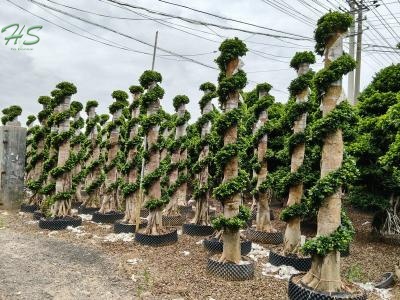
Best Sellers Chinese Net Shape Ficus Bonsai Tree
Ficus Microcarpa Net Shape Landscaping Plants

Ficus microcarpa, also known as the Chinese banyan, is a popular net shape landscaping plant that provides an eye-catching focal point to any outdoor space. With its sturdy and resilient trunk, this tree can grow to impressive heights, creating an instant sense of grandeur. The leaves of the Ficus microcarpa are lush and dark green, offering a contrasting color to the bark, which often takes on a grayish hue as it ages. The leaves are arranged in clusters and have a unique, heart-shaped structure that adds to the plant's visual appeal. Another distinctive feature of the Ficus microcarpa is its roots. Unlike most trees, the roots of this species are aerial, meaning they grow above ground and can form an intricate network that gives the tree its net shape appearance. These roots are also capable of seeking out water and nutrients, making the plant very hardy and low-maintenance. In terms of landscape use, the Ficus microcarpa is versatile and can be used effectively in various settings. It thrives in full sun or partial shade, making it suitable for both open spaces and shaded areas. Moreover, its sturdy trunk and branches make it suitable for use as a trellis or climbing plant, while its roots can be trained to grow along a wall or fence. The Ficus microcarpa is also known for its adaptability to various soil types and moisture levels. It can tolerate both well-drained and moisture-retentive soils, making it easy to incorporate into a range of outdoor landscapes. Whether you're looking to create a tropical-style garden or add a touch of drama to your outdoor space, the Ficus microcarpa is a versatile choice that will enhance any outdoor setting.

Artistic Ficus Aerial Shima Root Bonsai
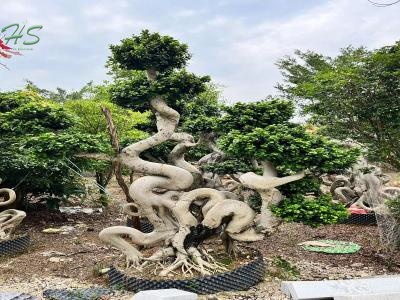
Ficus Microcarpa Shima Root Bonsai Tree

The shima root bonsai are one of the most popular large houseplants ficus bonsái, they are easy and low maintenance. The best outdoor bonsai plants for offices and homes, Its a excellent landscape trees which has good tolerance to winter and summer season. some leaves can be variegated ficus.

Ficus Miniature Graft Microcarpa Ginseng Bonsai
Graft Ficus Microcarpa Ginseng Bonsai Trees

Wholesale Chinese Root Ficus Microcarpa Ginseng Bonsai are one of the most popular houseplants, they are easy and low maintenance. can be used as a window plants or the table plants, The special root are produced by HS Bonsai Nursery which are suitable for offices and homes, Its a excellent landscape trees which has good tolerance to winter and summer season. The ficus bonsai is also proved to be one of the best air purifier tree
Sansevieria Dragon Fingers Plant
Wholesale Sansevieria Cylindrical Cheap Plants

Commonly known as Dragon Fingers, this plant is the same as the braided snake sansevieria or Sansevieria Cylindrica. This striking houseplant is celebrated for its unique appearance, featuring long, upright, cylindrical leaves that resemble fingers reaching towards the sky. The leaves are typically green with beautiful patterns or variegations, adding a touch of elegance to any space.

Leave A Message
Leave A Message
If you have questions or suggestions,please leave us a message,we will reply you as soon as we can!

Home

Products

whatsapp