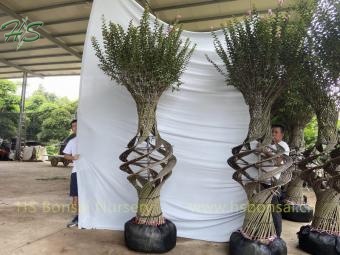
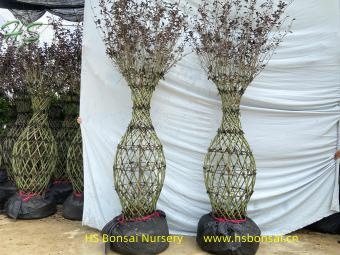
Ficus Bonsai
Search
Home /

ficus bonsai tree

  • Beautiful Frangipani Sapling
    Frangipani: The Enchanting Flower of Tropical Shores With its intoxicating fragrance and waxy, perfectly formed blossoms, the frangipani is the quintessential symbol of the tropics. Known to many as the plumeria, this enchanting plant evokes images of Hawaiian leis, Balinese temples, and serene Caribbean beaches. Its beauty, however, is matched by a fascinating resilience and a rich cultural significance that spans the globe. A Study in Form and Fragrance The frangipani is a small deciduous tree, typically growing to a height of 5-8 meters. Its thick, succulent branches are often gnarled and knobby, forming a uniquely sculptural shape, especially when bare in the winter. The leaves are large, glossy, and prominently veined, clustering at the ends of the branches. But the true stars are, of course, the flowers. They grow in vibrant clusters at the branch tips, each bloom a masterpiece of simple geometry. The five broad, overlapping petals spiral out from a central core, creating a pinwheel-like shape that is both delicate and striking. The color palette is extensive and luscious, ranging from pure whites and creamy yellows to deep pinks, vibrant reds, and even soft pastels and multi-colors. The flowers are most abundant from summer through to autumn, filling the air with their most famous feature: a sweet, rich, and deeply alluring fragrance. This scent, often compared to citrus, jasmine, and gardenia, is most potent in the evening, as it helps attract its pollinator, the sphinx moth. A Master of Survival One of the most remarkable things about the frangipani is its hardiness. Despite its delicate appearance, it is a succulent plant. Its thick, fleshy branches store water, allowing it to thrive in hot, dry, and even poor soil conditions. It is highly salt-tolerant, which is why it flourishes so beautifully in coastal gardens. When its leaves drop in the winter, it enters a dormant state, conserving energy until the warmth and rains of spring return. This resilience makes it a forgiving and rewarding plant for gardeners in warm climates. A Flower of Many Meanings The frangipani’s journey across cultures has gifted it with a rich tapestry of meanings. In Polynesia, particularly in Hawaii, the plumeria is the traditional flower for making leis. Worn to celebrate special occasions, welcome visitors, or express love, the lei embodies the spirit of aloha. The color of the flower can carry specific meanings: pink represents romance, yellow symbolizes friendship, and white is for purity and spiritual devotion. It is a common tradition to wear a flower behind the ear; a flower over the right ear signals that you are single and looking for love, while over the left ear indicates you are taken. In Southeast Asia, the frangipani is deeply intertwined with spirituality. Known as the "temple tree" (cây đại in Vietnam, chăm-pa in Laos), it is a ubiquitous sight in the courtyards of Buddhist pagodas and Hindu temples. Its presence symbolizes immortality and the c...

    Hot Tags : Wholesale Frangipani Beautiful Frangipani Sapling Beautiful Photinia Davidsoniae Garden Fence Plants Bougainvillea Care Guide Ficus Microcarpa Bonsai Tree Chinese

    Read More
  • Ficus Microcarpa with Unique Root Structure
    Beneath the cascading canopy of the small-leaf banyan, the world feels slower. Its trunk, a muscular pillar of gnarled wood, speaks of centuries. This is no mere plant; it is a monument, a living archive of the community it shelters. To look at it is to read a history book bound in bark. Its most striking feature, the aerial roots, descend from heavy branches like the rigging of ancient ships. They hang as wispy, cinnamon-colored threads, gently swaying in the breeze. But unlike the roots of other trees, they do not simply dangle in vain. When they find the earth, they take hold, thickening over decades into secondary trunks that support the ever-spreading limbs. It is as if the tree is slowly, deliberately, walking across the ground, claiming its territory with patient footsteps. Touch its bark—smooth and grey, like weathered stone cooled by shadow. Run your fingers along the glossy, oval leaves, small and numerous, forming a dense umbrella that filters the tropical sun into a soft, dappled light. Above, the world may be harsh and bright, but here, in the tree's embrace, there is only a gentle, green-hued tranquility. Listen, and you will hear the city within its branches. A sparrow fusses, a mynah chirps, a crow delivers its raspy pronouncement. The banyan is a world unto itself, a bustling metropolis of life cradled in its woody arms. For generations, this tree has been the silent center of life. It has shaded gossip and philosophical debates, been the backdrop for first loves and last goodbyes. It stood as a postman’s landmark long before street signs, and its roots have been a natural jungle gym for countless children, who are now parents and grandparents themselves. To sit on the cool, smooth bench often built around its base is to feel a profound sense of peace. You are a visitor in its presence, a brief moment in its long, slow story. The small-leaf banyan does not demand your attention; it simply offers its shade, its silence, and its quiet, enduring strength. It is a place to pause, to breathe, and to remember that some things are built to last.

    Hot Tags : Small Size Bonsai Plants Ficus Chinese Banyan Tree Bonsai Plants Ficus Microcarpa Combined Root Bonsai Tree Chinese Banyan Ficus Microcarpa Ginseng Bonsai Plants Ficus Bonsai Wholesale Multi Branch Ficus Microcarpa Bonsai

    Read More
  • Beautiful Bayan tree dragon aerial bonsai
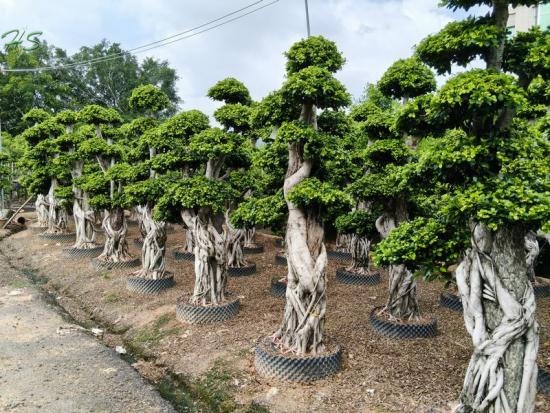
    The Beauty of the Giant Aerial Roots of the Weeping Fig In the quiet corners of tropical landscapes, the Weeping Fig unveils one of nature’s most mesmerizing architectural wonders—its giant aerial roots. These roots do not merely anchor; they tell a story of resilience and elegance, descending from sturdy branches like silken threads destined for the earth. Over time, they transform into sculptured pillars, twisting and merging into a lattice of strength and grace. Each root seems to breathe with life, its surface textured like aged silk, sometimes smooth, sometimes rugged, wearing the marks of time like delicate carvings. When sunlight filters through the canopy, it casts soft, dancing shadows around these roots, creating a play of light and dark that feels both mystical and serene. Around these majestic roots, the small, glossy leaves of the Weeping Fig cluster in vibrant green profusion, their delicate forms contrasting with the roots’ bold presence. Together, they form a living tapestry—a harmony of endurance and tenderness. This is not just a tree; it is a silent poem. It teaches us that beauty often arises from deep, unwavering foundations, and that strength can be found in graceful, patient growth. In the Weeping Fig, we see a reflection of nature’s boundless artistry—a beauty that is both timeless and profoundly peaceful.

    Hot Tags : Beautiful Strange-rooted Small-leaf Banyan Wholesale Beautiful And Peculiar Small-leaf Banyan From China Ficus Microcarpa Bonsai Wholesal Bonsai Tree Ficus Bonsai Price Concessions Plant Tree Bonsai Big Single By Sea Bonsai Tree Outdoor Root Ficus Unique

    Read More
  •  Multi Branch Ficus Bonsai Tree Nursery
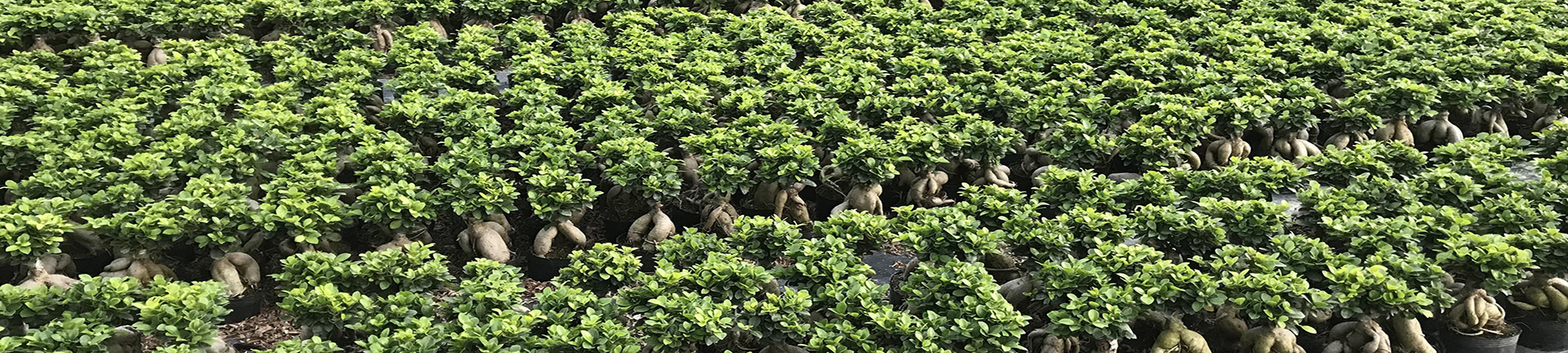
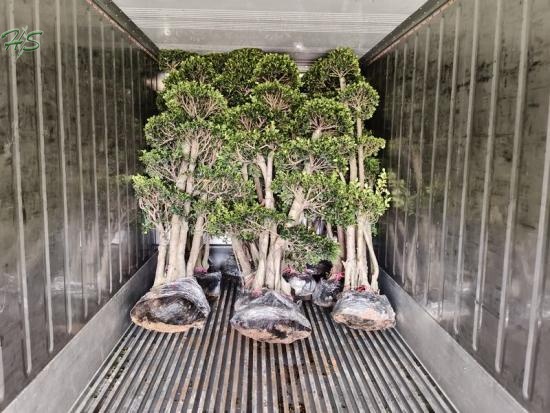
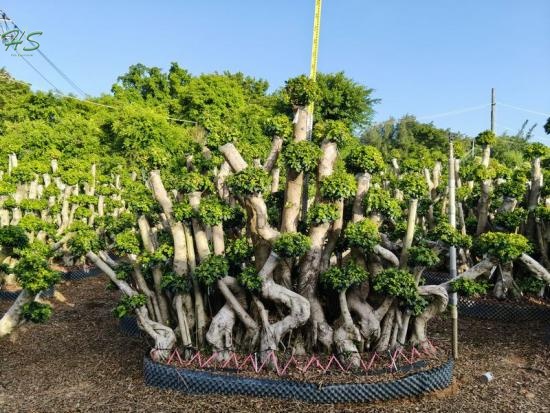
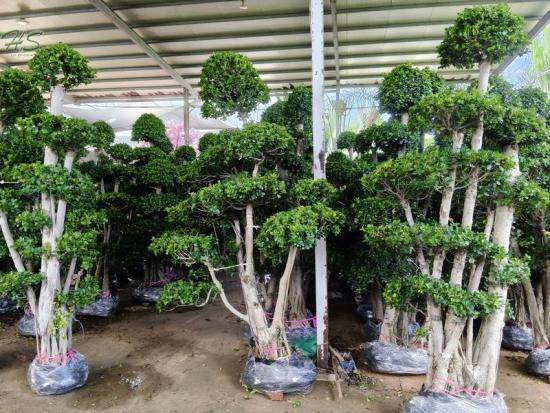
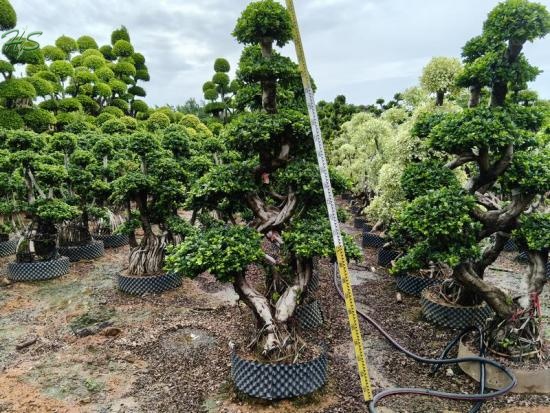
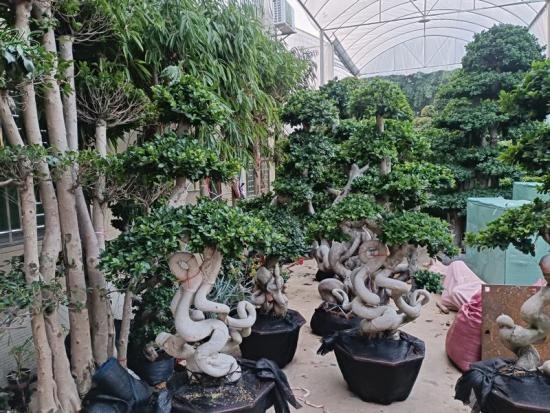
    The multi branch ficus bonsai tree is make as ficus plants trunk. It is a very hardy species of bonsai that easily adapts to many environments. Ficus bonsai trees generally produce narrow leaves that sprout continuously from the top stems, making the bonsai tree very easy to prune and take care. and the ficus root can be make as strange shape to creative the unique shape

    Hot Tags : Multi Branch Ficus Microcarpa Bonsai Wholesale Chinese Banyan Tree Multi Branch Ficus Microcarpa Bonsai Multi Branch Ficus Bonsai Beautiful Discounts Outdoor Chinese Multi Branch Ficus Bonsai Landscaping Ficus Bonsai Landscaping Tree unique multi branch ficus microcarpa bonsai tree

    Read More
  • Ficus Microcarpa Bonsai Tree
    Ficus microcarpa also known as the Chinese banyan, is a popular net shape landscaping plant that provides an eye-catching focal point to any outdoor space. With its sturdy and resilient trunk, this tree can grow to impressive heights, creating an instant sense of grandeur.

    Hot Tags : Wholesale Bonsai Ficus Ginseng Microcarpa Ficus Microcarpa Bonsai Tree By Stone Best Price Ficus Microcarpa Bonsai Net Plants Bonsai Tree Ficus Bonsai From China Unique Strange Ficus Microcarpa Bonsai Houseplant Ficus Microcarpa Bonsai For Sale

    Read More
  • Bonsai figure-leaf figurine Ficus with shape
    The shima root bonsai Tree is a stunning example of the art of bonsai, with its gnarled trunk and verdant foliage. Its intricate root system and aged appearance give it a sense of dignity and history, making it a prized addition to any collection.

    Hot Tags : Microcarpa Easy Live Green Ficus Banyan Beautiful Stone Look Air Sea Transportation Wholesale Of Shaped Stone-rooted Banyan Bonsai Shima Root Price Ficus Grower Fujian-style Shima Root Banyan Bonsai

    Read More
  • Beautiful Strange Branches Of Ficus Microcarpa
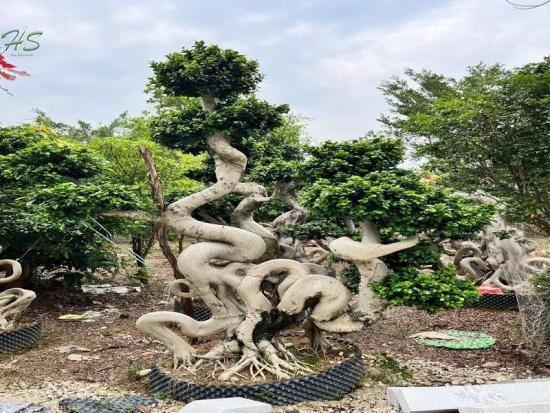
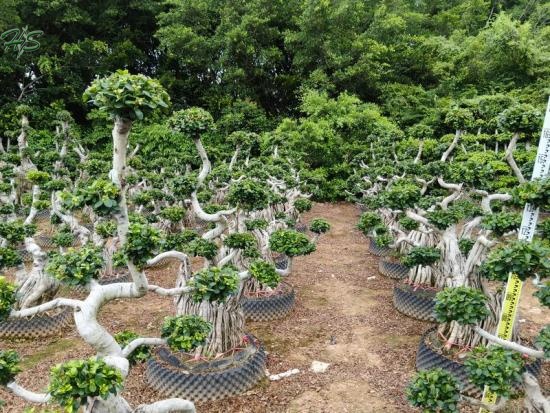
    Ficus Dragon Shape Unique Bonsai Tree, also known as the Chinese banyan, is a popular net shape landscaping plant that provides an eye-catching focal point to any outdoor space. With its sturdy and resilient trunk, this tree can grow to impressive heights, creating an instant sense of grandeur.

    Hot Tags : Chinese Net Shape Green Ficus Bonsai Nursery China Best Sellers Baeutiful Ficus Microcarpa Bonsai Net Plants Bonsai Tree Ficus Bonsai

    Read More
  • ficus microcarpa middle dragon shape bonsai
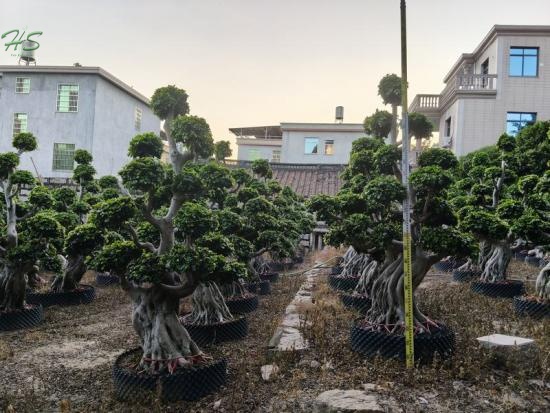
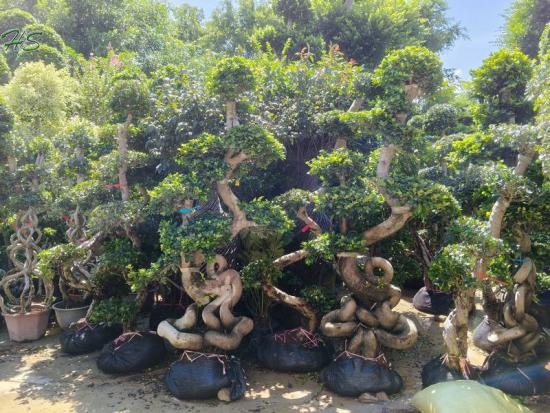
    The Art of the Styled Banyan Tree A styled banyan tree is a remarkable example of horticultural art, where nature and human creativity intertwine. Unlike trees that grow wild, these banyans are carefully trained and pruned over many years into specific, artistic shapes. Using techniques like careful wiring, strategic pruning, and guiding the tree's flexible aerial roots, skilled gardeners coax the banyan into beautiful forms. Common styles include elegant spirals, intricate braided trunks, or the popular "cloud pruning" technique, where the foliage is shaped into smooth, layered canopies. is ideal for this art form due to its resilient nature, flexible branches, and glossy, dense leaves that respond well to shaping. The result is a unique living sculpture that brings a sense of harmony, patience, and refined beauty to gardens, parks, and indoor spaces. More than just a plant, a styled banyan is a testament to the peaceful collaboration between human vision and the enduring vitality of nature.

    Hot Tags : Indoor Garden Bonsai Beautifully Tree Ficus Microcarpa From China Wholesale Of Ficus Microcarpa Saplings Beautifully Shaped Small-leaved Banyan Hot Sell Ficus Bonsai Tree Strange Dragon Ficus Trunk Bonsai

    Read More
  • 8 Branch Ficus Bonsai Tree Nursery
    The Figure-Eight Leaf Banyan: A Unique Natural Wonder The Figure-Eight Leaf Banyan, scientifically known as Ficus microcarpa 'Figure-Eight', is a distinctive variety of the banyan tree, celebrated for its uniquely shaped leaves that resemble the number "8". This ornamental plant is a popular choice in gardens and landscapes due to its aesthetic appeal and symbolic significance. Native to tropical and subtropical regions, this evergreen tree thrives in warm, humid climates and can adapt to various soil conditions. Its glossy, leathery leaves form a natural figure-eight pattern, making it a captivating visual feature. In many cultures, the number 8 symbolizes prosperity and balance, adding to the plant’s charm. Ideal for bonsai cultivation or as a shade tree, the Figure-Eight Leaf Banyan is low-maintenance and resilient. It requires ample sunlight and moderate watering, making it suitable for both indoor and outdoor settings. Whether used as a decorative element or a symbolic gift, this plant brings a touch of elegance and natural harmony to any environment.

    Hot Tags : Watering Ficus Microcarpa Bonsai Avoid Chinese Banyan Tree Ficus Microcarpa Bonsai Branch Ficus Bonsai Landscaping Plant Tolerates Ideal Light Outdoor Chinese Root The Ficus Microcarpa Keep Aoid Ficus Bonsai Tree How To Check Water Freely Roots Ficus Microcarpa Bonsai Tree Signs Of Trouble Temperature

    Read More
  • The Four Seasons Camellia
    A Complete Guide to Sasanqua Camellia Care The sasanqua camellia is a beloved evergreen shrub known for its beautiful fall and winter flowers, glossy foliage, and versatile growth habit. Unlike its spring-blooming cousin (Camellia japonica), the sasanqua is generally sun-hardier and more adaptable. With proper care, it will reward you with a stunning display of color during the cooler months. 1. Light Requirements Sasanqua camellias thrive in dappled sunlight or partial shade. They perform best with about 4-6 hours of morning sun, which is gentler and helps dry dew from the leaves, preventing fungal diseases. They can tolerate more sun than other camellias, especially in cooler climates, but should be protected from the intense, hot afternoon sun which can scorch the leaves and bleach the flowers. Ideal: Morning sun with afternoon shade. 2. Soil & Planting The single most important factor for camellias is soil quality. They demand well-draining, acidic soil (pH between 5.0 and 6.5). Drainage is critical: They will not tolerate "wet feet" or waterlogged soil, which leads to root rot. Acidity is key: If your soil is neutral or alkaline, amend it generously with peat moss, composted pine bark, or leaf mold. Using an ericaceous (acid-loving) compost is ideal. Planting: Dig a hole twice as wide as the root ball but no deeper. The top of the root ball should be slightly above the surrounding soil level to ensure water drains away from the base of the stem. 3. Watering Establish a consistent watering routine, especially for the first two years while the plant is establishing its root system. Frequency: Water deeply 1-2 times per week, depending on your climate and weather. The goal is to keep the soil consistently moist but not soggy. Check the soil: Before watering, check the top few inches of soil. If it feels dry, it's time to water. Mulching: Apply a 2-3 inch layer of organic mulch (like pine straw or bark chips) around the base of the plant. This helps retain moisture, suppress weeds, and keep the soil cool. Keep the mulch a few inches away from the main stem to prevent rot. 4. Fertilizing Feed your sasanqua camellia to promote healthy growth and abundant blooms. Type: Use a fertilizer formulated for acid-loving plants (e.g., for azaleas, camellias, and rhododendrons). Schedule: Fertilize three times a year: Early Spring (after flowering finishes) Late Spring Mid-Summer Important: Do not fertilize after late summer. Fertilizing too late can encourage tender new growth that will be damaged by early frosts. 5. Pruning Sasanquas require minimal pruning. The best time to prune is immediately after they finish flowering (often in late winter or early spring). Pruning at this time avoids cutting off next season's flower buds, which form on new summer growth. Purpose: Prune to maintain shape, control size, and remove dead, diseased, or crossing branches. Method: Make clean cuts and thin out crowded areas to improve air circulation within the canopy. 6...

    Hot Tags : The Four Seasons Camellia Truly Cycle Seasons Winter Bloom Garden Hybrid Top quality muylti FeatureThe Four Seasons Camellia strangler figs Outdoor chinese rootmulti branchThe Four Seasons Camellia Middle size ficus bonsai forest tree nurseryThe Four Seasons Camellia Forest multi branch The Four Seasons Camellia

    Read More
  • Chinese Elm Bonsai Tree
    Elm bonsai, as the name suggests, is a miniature version of the majestic elm tree. The elm belongs to the Ulmus genus and is known for its graceful branching and attractive foliage. Moreover, elm bonsai is a popular choice among bonsai enthusiasts due to its adaptability and striking appearance.

    Hot Tags : Light Requirements Leaf Drop Sun Large Bonsai Watering Soil Indoor Elm Old Potting Peat Perlite Pine Bark Temperature Humidity Fertilization Spring Summer Winter Pests Diseases Watch Spider Diseases ProTip Let Ficus Microcarpa Thrives Chinese Elm Bonsai Tree

    Read More
  • Ficus Microcarpa with Unique Root Structure
    Ficus microcarpa has strong vitality and adaptability, and can thrive in various environments. Banyan trees have become a popular choice for garden decoration and bonsai making due to their unique appearance
    Read More
1 2 3 7
A total of7pages
Leave A Message
Leave A Message
If you have questions or suggestions,please leave us a message,we will reply you as soon as we can!

Home

Products

whatsapp