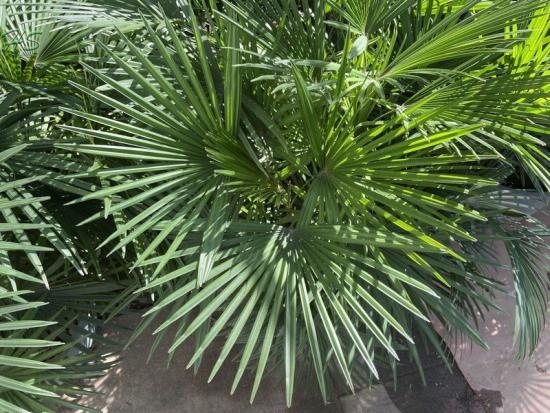
Rhapis multifida
Home /

Palm

/

Rhapis multifida

/Wholesaler Rhapis Multifida Burret Palm

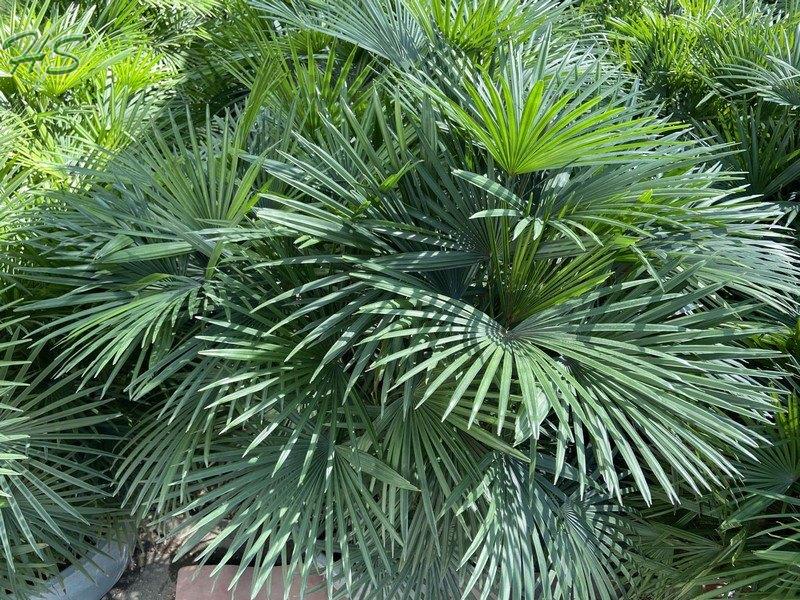
Wholesaler Rhapis Multifida Burret Palm

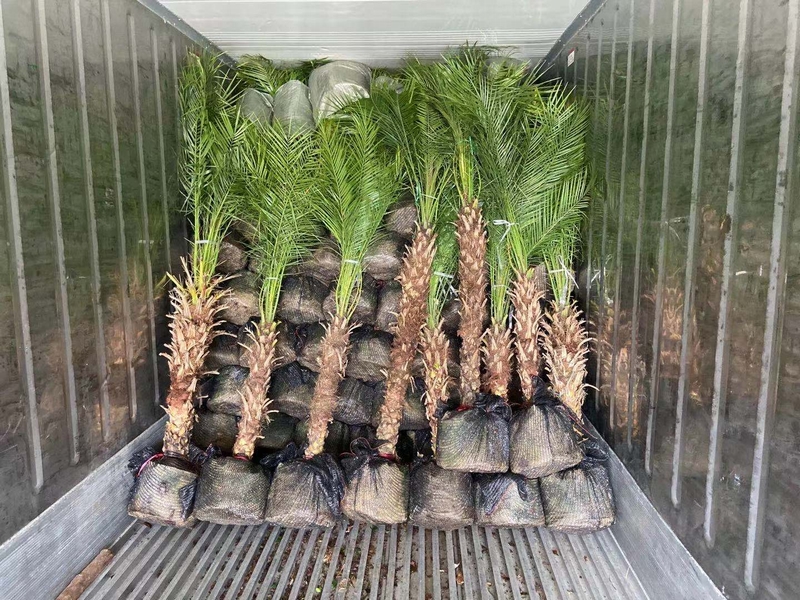
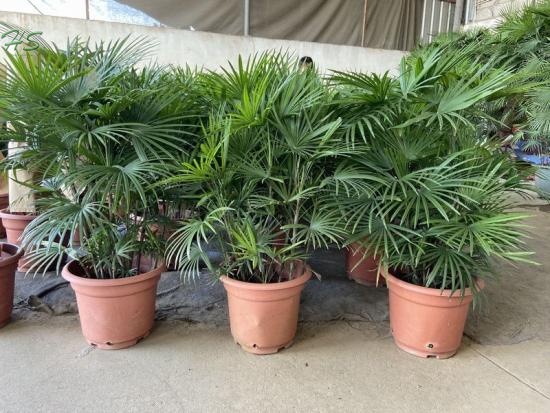
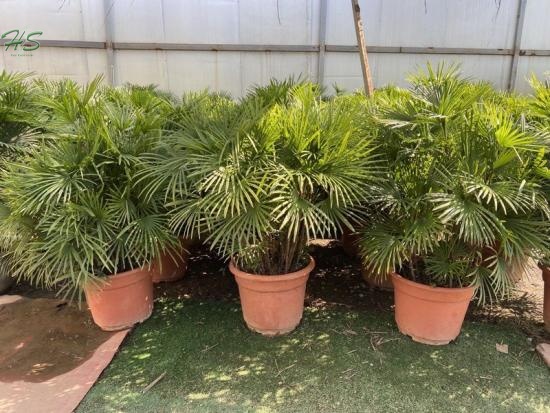
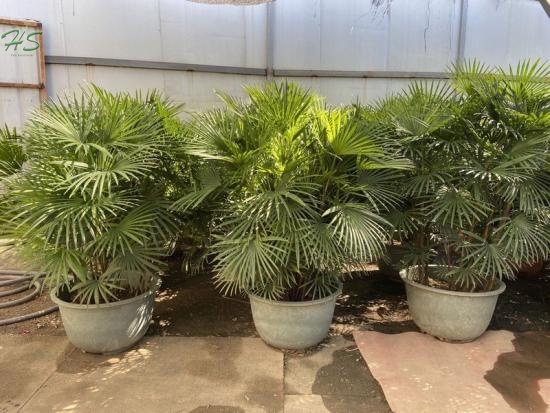
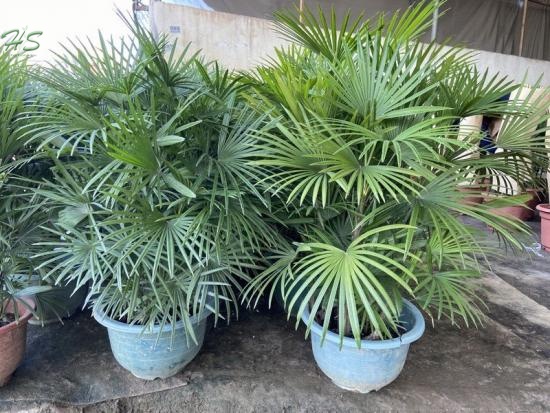
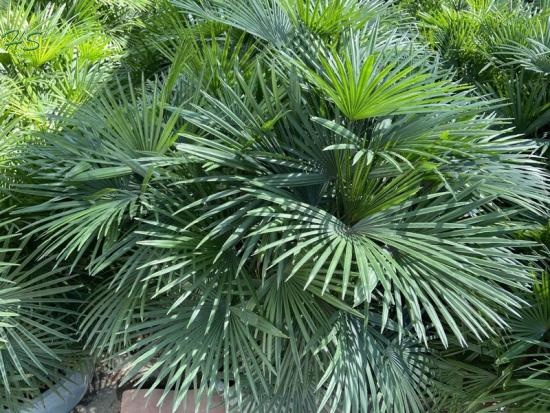
Rhapis multifida is considered as the most elegant specias of the genus and consequently is very sought for by the collectors. they are quite similar to rhapis humilis and for long it has been considered as a variety of thr latter.

  • Item NO.:

    HSPR
  • Payment:

    T/T
  • Product Origin:

    China
  • Color:

    Green
  • Shipping Port:

    Xiamen port
  • Lead Time:

    7-10day
Product Details

Rhapis Multifida Burret is a angiosperms (Flowering Seed Plants) (Monocotyledon). They likes to grown in loose, breathable and well drained slightly acidic organic sandy soil in a warm, cool and airy environment. Make sure give them plenty of light, water and fertilizer during growth. Shade well in summer, move plants indoors in winter, keep the temperature above 16 degrees and control fertilization.


Wholesaler Rhapis Multifida Burret Palm


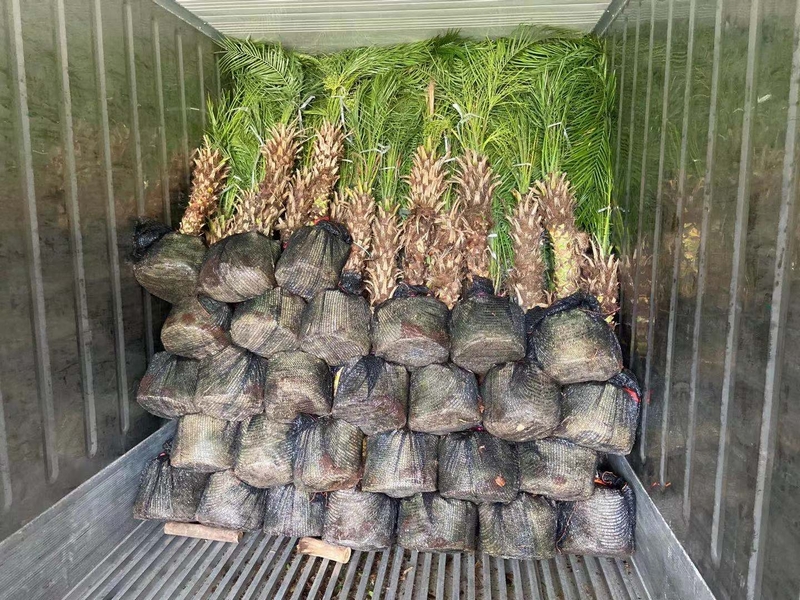
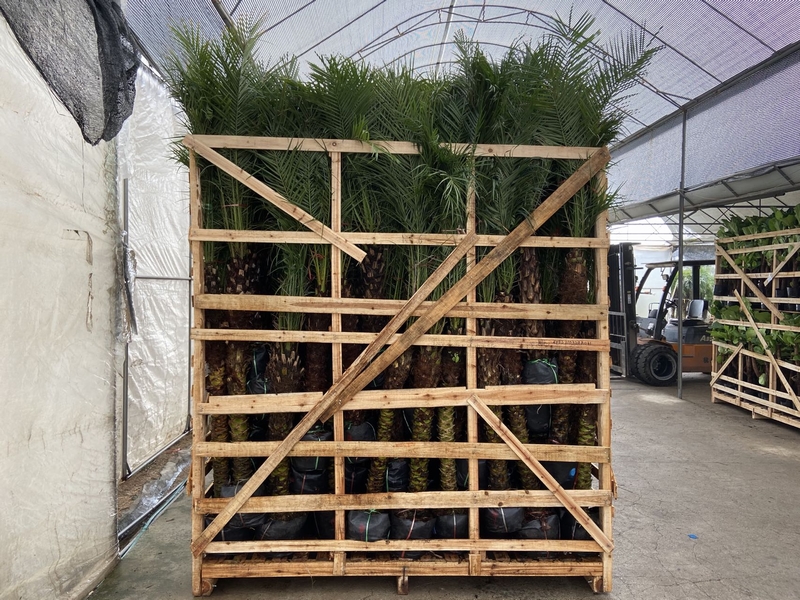
Loading Photos

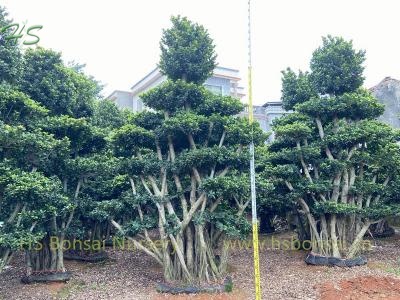
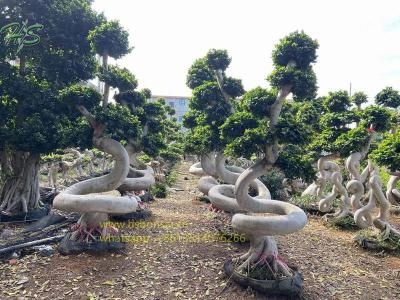
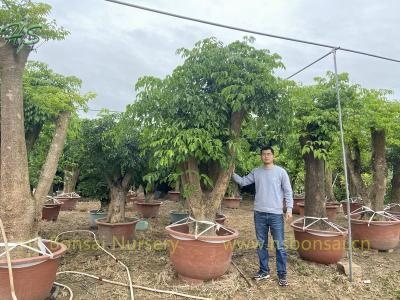
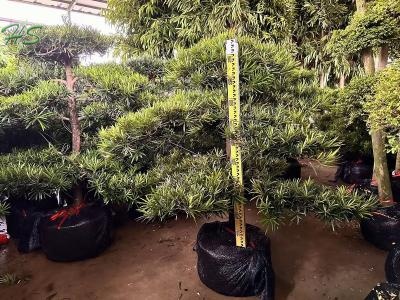
Wholesaler Rhapis Multifida Burret PalmWholesaler Rhapis Multifida Burret PalmWholesaler Rhapis Multifida Burret Palm

Leave A Message
If you have questions or suggestions,please leave us a message,we will reply you as soon as we can!
Related Products
loropetalum black pearl
Loropetalum chinense fringe flower

Loropetalum chinense is commonly known as loropetalum, Chinese fringe flower and strap flower.

Money Tree  Indoor Plant
Money Tree Bare Root Nursery

The Money Tree not only has ornamental value, but is also known as a "little expert in cleaning and humidifying" due to its powerful purification ability, which can improve the air quality within the micro environment in a short period of time.

Wholesale Sansevieria Cylindrica bonsai
Potted Sansevieria Cylindrica Indoor snake plants

The small potted Sansevieria Cylindrica are available as: 3/5/6/7/8/9pcs per pot, 20-50cm. Its one of the best air purifying plants out there. The finger leaves is special for the home decoration.

Black Pearl Loropetalum Bonsai Potted
Ornamental plant Loropetalum Chinense Fringe Bonsai Red Flower

The loropetalum bonsai richly Coloured Leaves create a beautiful backdrop for sprays of vibrant pink tassel-like flowers in spring and summer. Makes a pretty hedge, or eyecatching specimen shrub in the border. Plant it somewhere in your garden will let you home have a Chinese Classical Garden style.

Lucky Bamboo Thin Lucky Wheel Shape
Dracaena Sanderiana Lucky Bamboo Thin Lucky Wheel

Lucky bamboo is an easy-to-care-for houseplant that grows well in low, indirect light. They are not really bamboo at all, but instead is a type of tropical water plant called Dracaena sanderiana. They are said to bring good luck and fortune to those that own them, especially if the plants were given as gifts.

The Four Seasons Camellia

A Complete Guide to Sasanqua Camellia Care The sasanqua camellia is a beloved evergreen shrub known for its beautiful fall and winter flowers, glossy foliage, and versatile growth habit. Unlike its spring-blooming cousin (Camellia japonica), the sasanqua is generally sun-hardier and more adaptable. With proper care, it will reward you with a stunning display of color during the cooler months. 1. Light Requirements Sasanqua camellias thrive in dappled sunlight or partial shade. They perform best with about 4-6 hours of morning sun, which is gentler and helps dry dew from the leaves, preventing fungal diseases. They can tolerate more sun than other camellias, especially in cooler climates, but should be protected from the intense, hot afternoon sun which can scorch the leaves and bleach the flowers. Ideal: Morning sun with afternoon shade. 2. Soil & Planting The single most important factor for camellias is soil quality. They demand well-draining, acidic soil (pH between 5.0 and 6.5). Drainage is critical: They will not tolerate "wet feet" or waterlogged soil, which leads to root rot. Acidity is key: If your soil is neutral or alkaline, amend it generously with peat moss, composted pine bark, or leaf mold. Using an ericaceous (acid-loving) compost is ideal. Planting: Dig a hole twice as wide as the root ball but no deeper. The top of the root ball should be slightly above the surrounding soil level to ensure water drains away from the base of the stem. 3. Watering Establish a consistent watering routine, especially for the first two years while the plant is establishing its root system. Frequency: Water deeply 1-2 times per week, depending on your climate and weather. The goal is to keep the soil consistently moist but not soggy. Check the soil: Before watering, check the top few inches of soil. If it feels dry, it's time to water. Mulching: Apply a 2-3 inch layer of organic mulch (like pine straw or bark chips) around the base of the plant. This helps retain moisture, suppress weeds, and keep the soil cool. Keep the mulch a few inches away from the main stem to prevent rot. 4. Fertilizing Feed your sasanqua camellia to promote healthy growth and abundant blooms. Type: Use a fertilizer formulated for acid-loving plants (e.g., for azaleas, camellias, and rhododendrons). Schedule: Fertilize three times a year: Early Spring (after flowering finishes) Late Spring Mid-Summer Important: Do not fertilize after late summer. Fertilizing too late can encourage tender new growth that will be damaged by early frosts. 5. Pruning Sasanquas require minimal pruning. The best time to prune is immediately after they finish flowering (often in late winter or early spring). Pruning at this time avoids cutting off next season's flower buds, which form on new summer growth. Purpose: Prune to maintain shape, control size, and remove dead, diseased, or crossing branches. Method: Make clean cuts and thin out crowded areas to improve air circulation within the canopy. 6...

Mimosaceae bonsai tree
Small outdoor Mimosaceae bonsai tree

Bonsai are potted miniature trees which are carefully styled to achieve an aesthetic effect. The concept was passed down more than thousand years in China. Each tree species has specific requirements for its cultivation, training, and care.

Podocarpus Costalis bonsai tree
Potted Podocarpus Bonsai Tree

Podocarpus species are evergreen Woody Plants. They are generally trees, but may also be shrubs, they are mostly potted as bonsai. Species are cultivated as ornamental plants for parks and large gardens Each tree species has specific requirements for its cultivation, training, and care.

Leave A Message
Leave A Message
If you have questions or suggestions,please leave us a message,we will reply you as soon as we can!

Home

Products

whatsapp