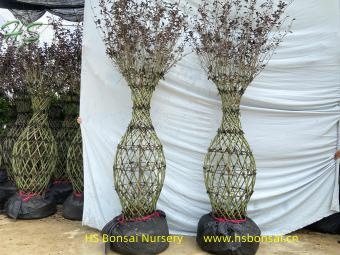
Loropetalum chinense var.rubrum
Home /

Loropetalum chinense var.rubrum

/Flowering Plants Heteropanax Fragrans

Flowering Plants Heteropanax Fragrans


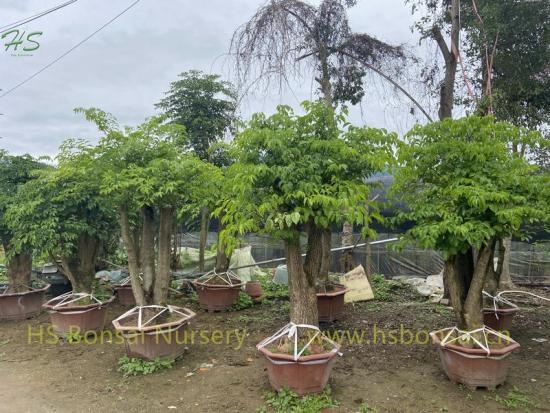
Heteropanax is a one of the best garden ornamental plant, they are genus of flowering plants in the family Araliaceae. They are native to Asia. These plants are evergreen shrubs or trees.


  • Item NO.:

    HSINDOOR
  • Payment:

    T/T
  • Product Origin:

    China
  • Color:

    Green
  • Shipping Port:

    Xiamen port
  • Lead Time:

    7-10day
Product Details

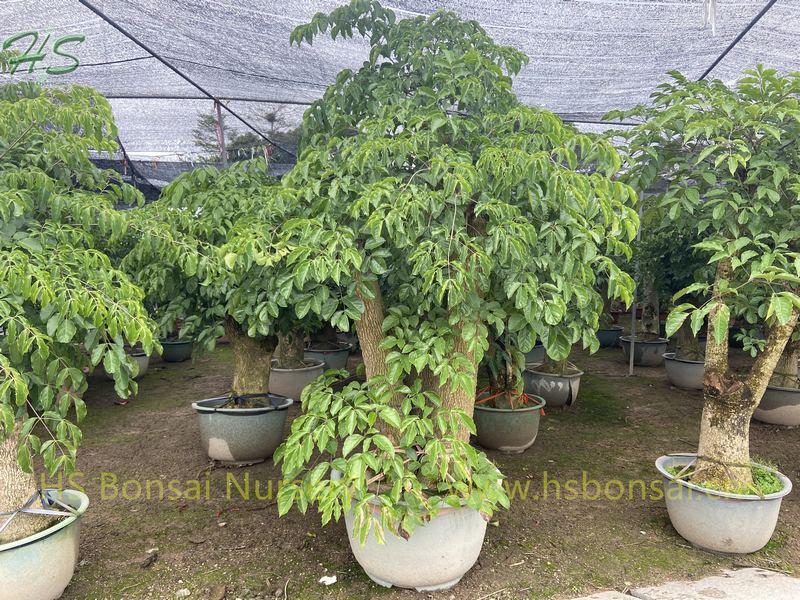
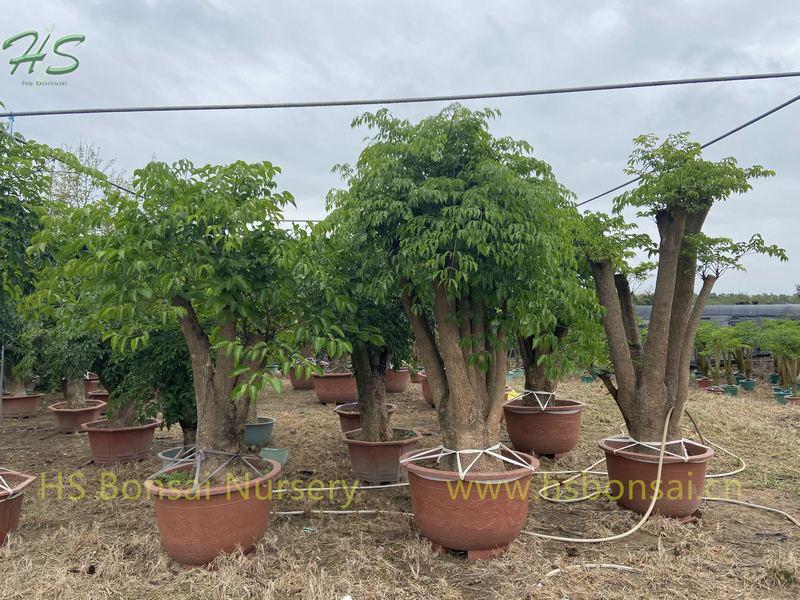
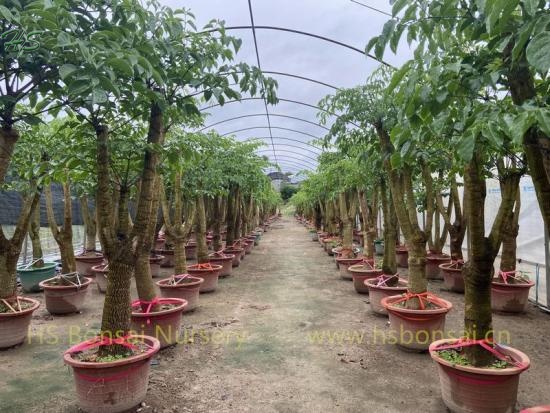
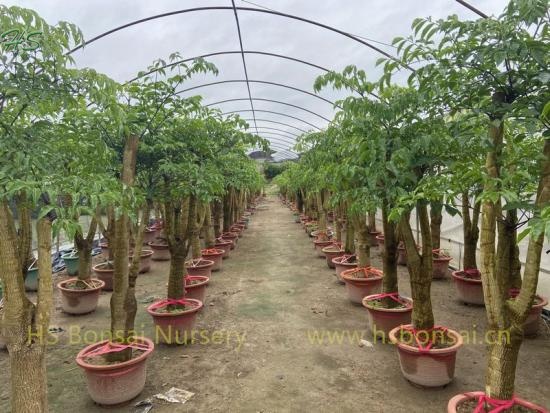
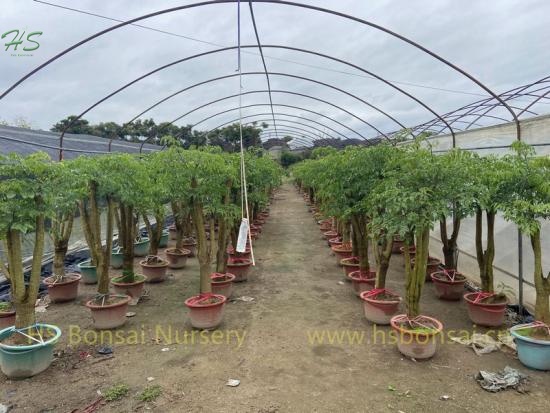
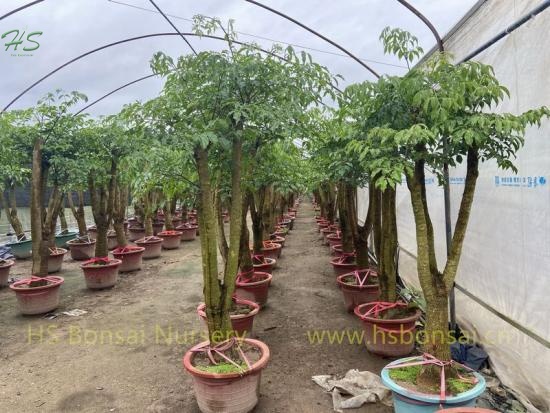
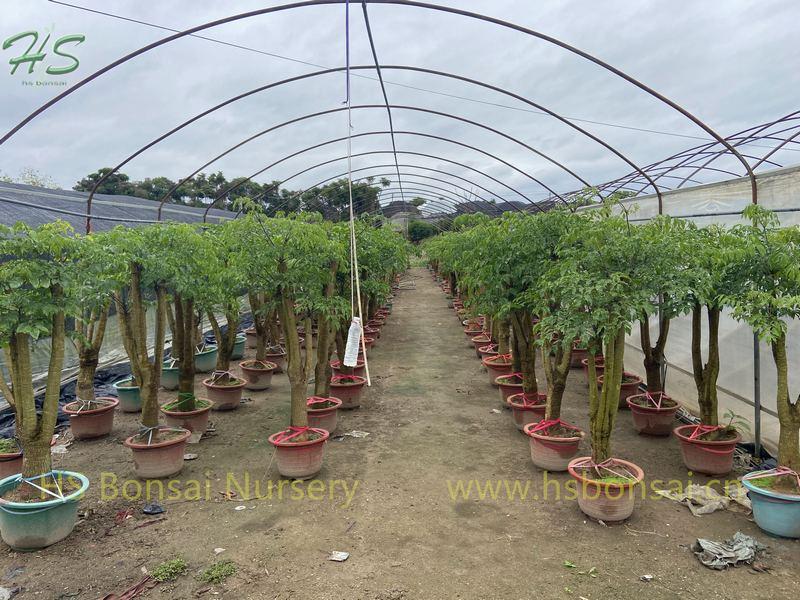
Heteropanax Fragrans, commonly called Heteropanax Chinensis Fragrant AraliaIt is a beautiful garden ornamental tree for tropical trees. The Heteropanax Fragrans crown is round, the feather leaves are huge and strange, and it is a beautiful ornamental tree species. Large trees can be used for shade trees and street trees. Young plants can also be potted and ornamental. They can be placed in the hall and on both sides of the gate to show the tropical style.

HS Bonsai Nursery grow the Heteropanax Fragrans as soil, cocopeat to suitable for the market, and the potted is easy for transportaion. if you want to buy the tropical ornamental trees, welcome to visit our nursery. 

Photo Details


www.hsbonsai.cn

whatsapp: +86013606051207

                +86013514076266
Leave A Message
If you have questions or suggestions,please leave us a message,we will reply you as soon as we can!
Related Products
 Potted Heteropanax Fragrans Big Size
Landscaping Tree Heteropanax Fragrans

Heteropanax is a genus of flowering plants in the family Araliaceae. They are native to Asia. These plants are evergreen shrubs or trees.
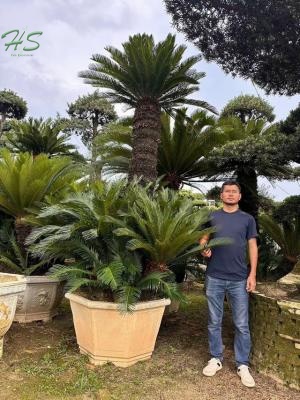
Single Trunk Potted Cycas revoluta
Wholesale Sago Palm Cycas Revoluta

The Sago Palm, also known as cycas revoluta, is a stunning and ancient tree species that belongs to the family Cycadaceae. Despite its name, the Sago Palm is not a true palm, but rather a cycad, an ancient lineage of plants that have been around for millions of years.

Chinese Ficus Bonsai 7 holes For Design
Artisitc Bonsai Ficus Microcarpa Plant

The Special Aerial Root Ficus Bonsai also know as Chinese Banyan (Ficus Microcarpa). is part of the Mulberry family there are many different varieties, the design 7 holes bonsai is excellent ficus microcarpa aerial root bonsai tree has Unique Swollen Roots that stand above the soil and pot, which are beautiful in their own way, the shape are unique, some like horse bonsai, some like butterfly, there are the nice plant for outdoor.

ficus microcarpa dragon shape bonsai
Dragon shape hot sell green ficus microcarpa bonsai

Ficus are one of the most popular large houseplants, they are easy and low maintenance. The best outdoor bonsai plants for offices and homes, Its a excellent landscape trees which has good tolerance to winter and summer season,the ficus bonsai is also proved to be one of the best air purifier tree

The Four Seasons Camellia

A Complete Guide to Sasanqua Camellia Care The sasanqua camellia is a beloved evergreen shrub known for its beautiful fall and winter flowers, glossy foliage, and versatile growth habit. Unlike its spring-blooming cousin (Camellia japonica), the sasanqua is generally sun-hardier and more adaptable. With proper care, it will reward you with a stunning display of color during the cooler months. 1. Light Requirements Sasanqua camellias thrive in dappled sunlight or partial shade. They perform best with about 4-6 hours of morning sun, which is gentler and helps dry dew from the leaves, preventing fungal diseases. They can tolerate more sun than other camellias, especially in cooler climates, but should be protected from the intense, hot afternoon sun which can scorch the leaves and bleach the flowers. Ideal: Morning sun with afternoon shade. 2. Soil & Planting The single most important factor for camellias is soil quality. They demand well-draining, acidic soil (pH between 5.0 and 6.5). Drainage is critical: They will not tolerate "wet feet" or waterlogged soil, which leads to root rot. Acidity is key: If your soil is neutral or alkaline, amend it generously with peat moss, composted pine bark, or leaf mold. Using an ericaceous (acid-loving) compost is ideal. Planting: Dig a hole twice as wide as the root ball but no deeper. The top of the root ball should be slightly above the surrounding soil level to ensure water drains away from the base of the stem. 3. Watering Establish a consistent watering routine, especially for the first two years while the plant is establishing its root system. Frequency: Water deeply 1-2 times per week, depending on your climate and weather. The goal is to keep the soil consistently moist but not soggy. Check the soil: Before watering, check the top few inches of soil. If it feels dry, it's time to water. Mulching: Apply a 2-3 inch layer of organic mulch (like pine straw or bark chips) around the base of the plant. This helps retain moisture, suppress weeds, and keep the soil cool. Keep the mulch a few inches away from the main stem to prevent rot. 4. Fertilizing Feed your sasanqua camellia to promote healthy growth and abundant blooms. Type: Use a fertilizer formulated for acid-loving plants (e.g., for azaleas, camellias, and rhododendrons). Schedule: Fertilize three times a year: Early Spring (after flowering finishes) Late Spring Mid-Summer Important: Do not fertilize after late summer. Fertilizing too late can encourage tender new growth that will be damaged by early frosts. 5. Pruning Sasanquas require minimal pruning. The best time to prune is immediately after they finish flowering (often in late winter or early spring). Pruning at this time avoids cutting off next season's flower buds, which form on new summer growth. Purpose: Prune to maintain shape, control size, and remove dead, diseased, or crossing branches. Method: Make clean cuts and thin out crowded areas to improve air circulation within the canopy. 6...

pachira aquatica 5 braid bonsai
Pachira macrocarpa five braid trunk money tree bonsai

Pachira macrocarpa is know as Malabar chestnut, French peanut, Guiana chestnut, Provision tree, Saba nut, Monguba (Brazil), Pumpo (Guatemala) and is commercially called as the names Money tree and Money plant.

ficus aerial root bonsai
The Best Real Ficus Aerial Root Bonsai

The plants that can form Aerial Roots include Pandanus, Metrosideros , Ficus,  Schefflera, Brassaia,  and the Mangrove family. The most well known large trees with aerial roots are in the Ficus family. HS Bonsai Nursery create the unique type with aerial of ficus bonsai as a old tree

ficus aerial root bonsai golden leaves
Golden leaves Ficus multi root bonsai tree

Ficus are one of the most popular large houseplants, they are easy and low maintenance. The best outdoor bonsai plants for offices and homes, Its a excellent landscape trees which has good tolerance to winter and summer season. The ficus bonsai is also proved to be one of the best air purifier tree

Leave A Message
Leave A Message
If you have questions or suggestions,please leave us a message,we will reply you as soon as we can!

Home

Products

whatsapp