

Item NO.:
ficus panda one tiePayment:
T/TProduct Origin:
ChinaColor:
GreenShipping Port:
Xiamen portLead Time:
7-10day
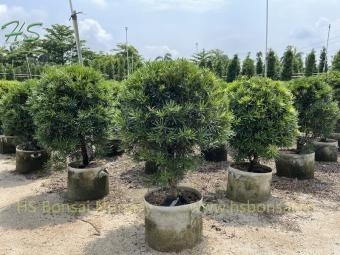
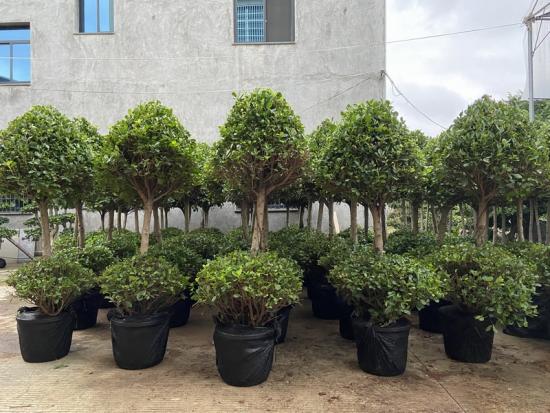
Ficus panda is evergreen perennial tree in Moraceae family. This is rapidly growing, rounded, broad headed, evergreen tree with the glossy, dark green, leathery leaves are densely clothed and trunk is quite smooth and can have air root, light grey in color.
They need to be kept in temperatures above 16 degrees, and
actually prefer temperatures above 21 degrees to 35 degrees. Feed them with
slow-release pellets in the beginning of the growing season. When watering,
always check the top of the soil first. If the top of the soil is wet, don’t
water as this means they have enough moisture. If the top of the soil feels dry
to the touch, this indicates that they need water.
Loading Photos



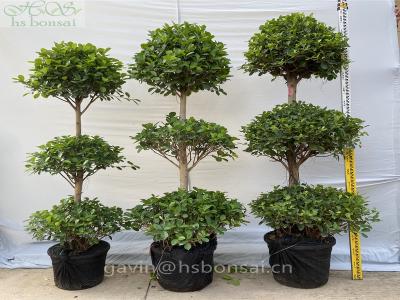
The ficus panda botanical name is Ficus retusa we have one ball, two ball, three ball, pyramid, cage, s shape etc.

The ficus panda botanical name is Ficus retusa we have one ball, two ball, three ball, pyramid, cage, s shape etc.
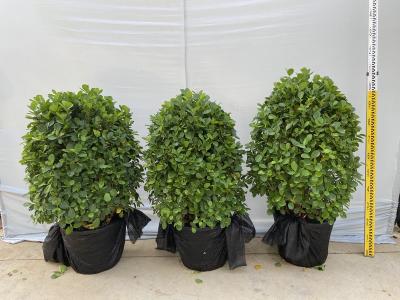
The ficus panda botanical name is Ficus retusa we have one ball, two ball, three ball, pyramid, cage, s shape etc.
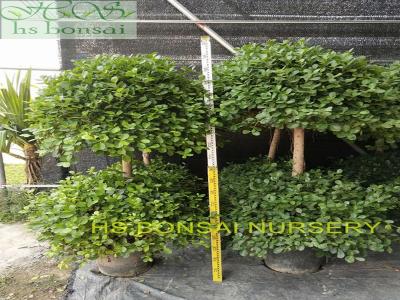
Ficus panda called rubber tree with round leaves. Banyan of mulberry family is a perennial evergreen tree. ficus panda has magnificent shape, fast growth speed, drought and shade resistance. ficus panda remains green all year round and has strong plasticity. ficus panda can create the shape you want
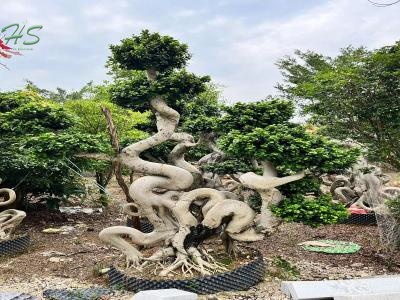
Ficus Dragon Shape Unique Bonsai Tree, also known as the Chinese banyan, is a popular net shape landscaping plant that provides an eye-catching focal point to any outdoor space. With its sturdy and resilient trunk, this tree can grow to impressive heights, creating an instant sense of grandeur.
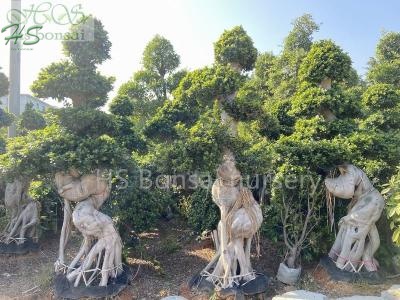
Ficus are one of the most popular large houseplants, they are easy and low maintenance. The best outdoor bonsai plants for offices and homes, Its a excellent landscape trees which has good tolerance to winter and summer season,the ficus bonsai is also proved to be one of the best air purifier tree
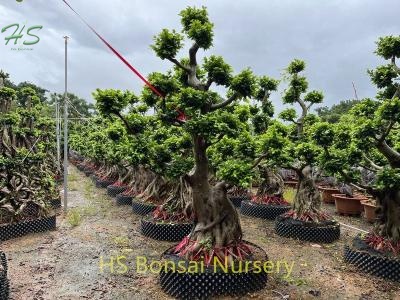
The Ficus Aerial Bonsai is a unique and captivating display of nature's beauty. It is a tree that has been trained to grow in an aerial manner, producing a miniaturized version with an intricate and arresting appearance. The Ficus Aerial Bonsai is a living piece of art, with each branch and leaf meticulously pruned and shaped by skilled artists. The result is a work of bonsai that appears to defy gravity, creating a light and airy feeling in any space. The Ficus Aerial Bonsai's growth process is carefully controlled, ensuring that it remains healthy and vibrant. It requires regular misting and specific care to maintain its unique form and appearance. The Ficus Aerial Bonsai is not just a piece of bonsai, it is a window into the wonders of nature and a testament to the skill and patience of the artist who created it. It is a piece that can be enjoyed for years to come, providing a sense of tranquility and beauty in any setting.
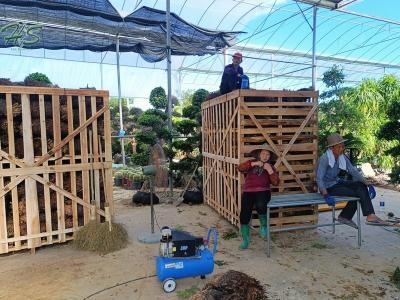
The Cycas Revoluta multi plants combined is often use as the garden landscaping or the city road decoration. The leaves are shiny dark green and have numerous strap-shaped leaflets. The Multi Trunk Cycads is special for your garden which let the overview more unique.



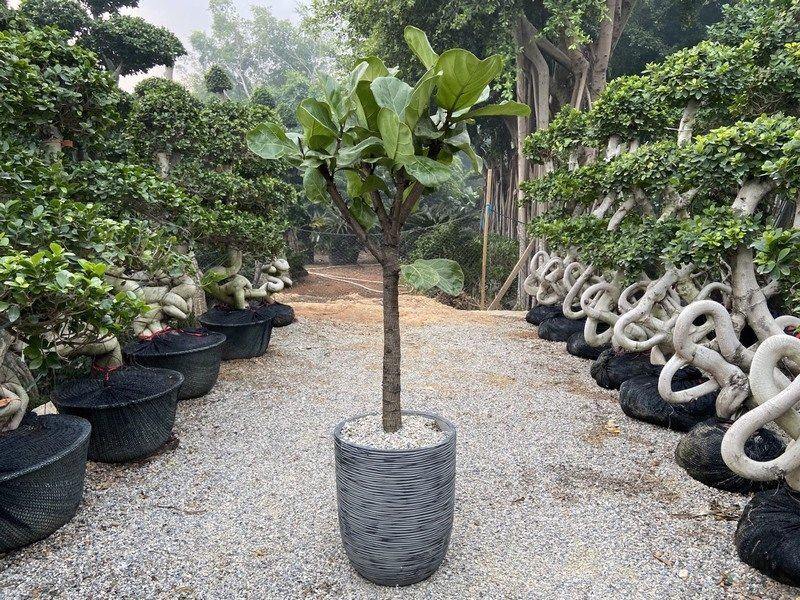 Ficus lollipop
 IPv6 network supported
 English
 español
 العربية