
Item NO.:
ficus panda one tiePayment:
T/TProduct Origin:
ChinaColor:
GreenShipping Port:
Xiamen portLead Time:
7-10day
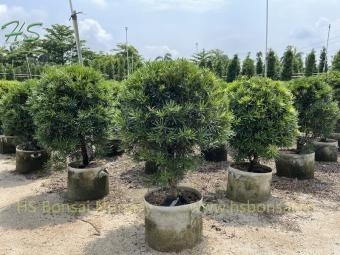
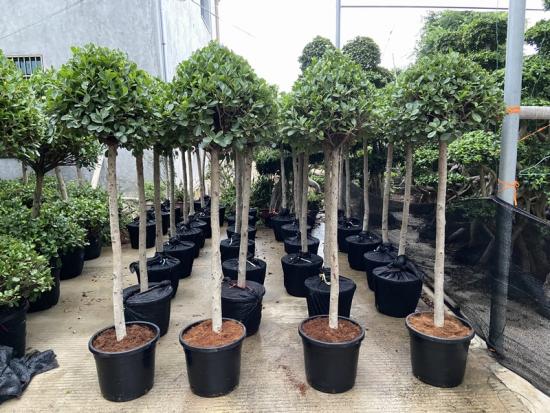
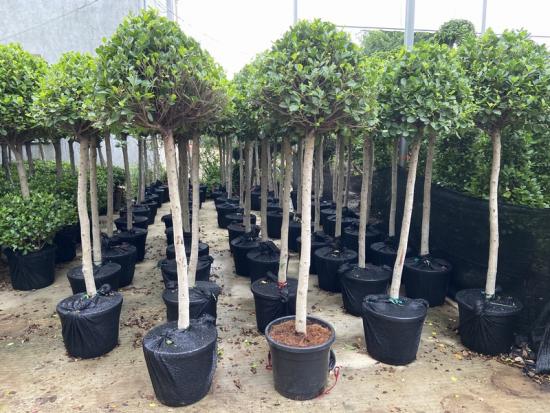
Ficus panda is evergreen perennial tree in Moraceae family. This is rapidly growing, rounded, broad headed, evergreen tree with the glossy, dark green, leathery leaves are densely clothed and trunk is quite smooth and can have air root, light grey in color.
They need to be kept in temperatures above 16 degrees, and
actually prefer temperatures above 21 degrees to 35 degrees. Feed them with
slow-release pellets in the beginning of the growing season. When watering,
always check the top of the soil first. If the top of the soil is wet, don’t
water as this means they have enough moisture. If the top of the soil feels dry
to the touch, this indicates that they need water.
Loading Photos
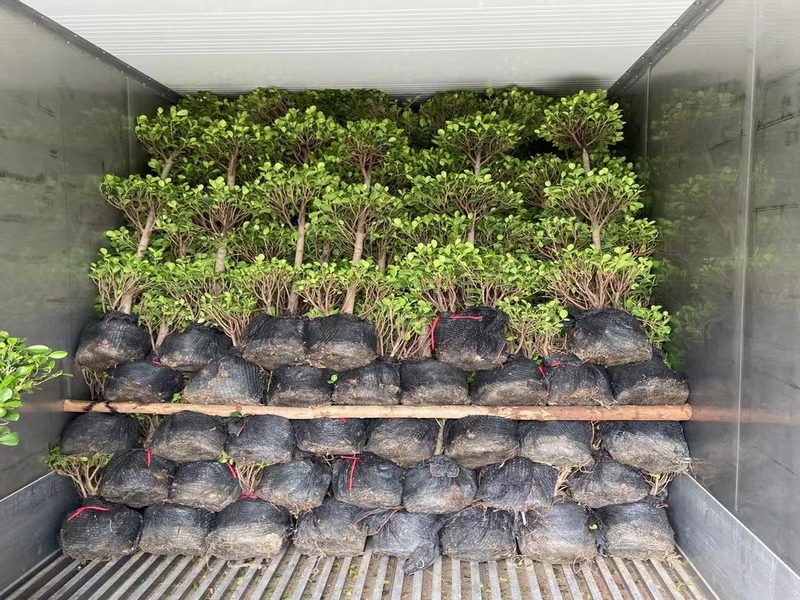
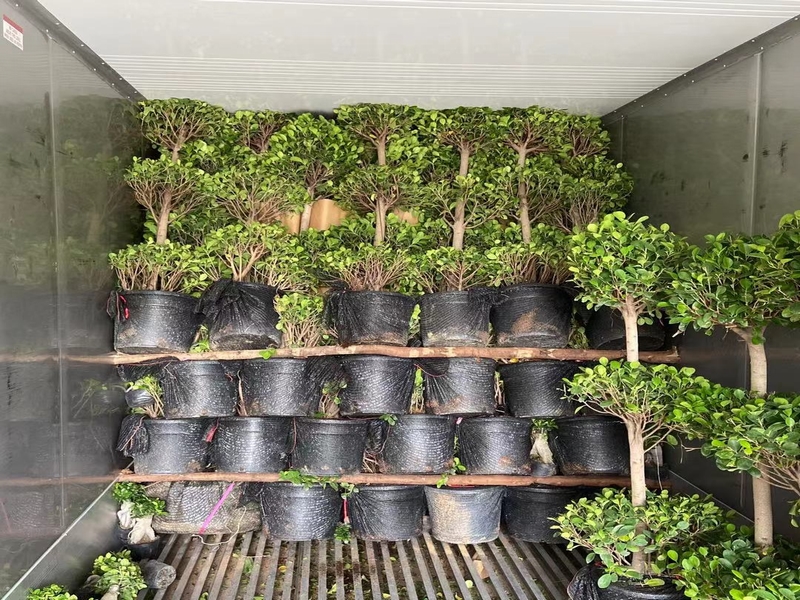

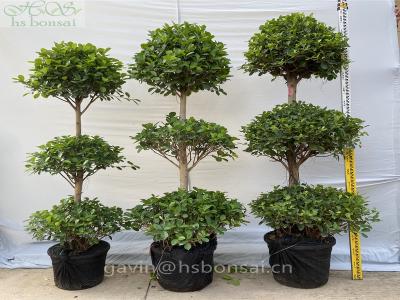
The ficus panda botanical name is Ficus retusa we have one ball, two ball, three ball, pyramid, cage, s shape etc.
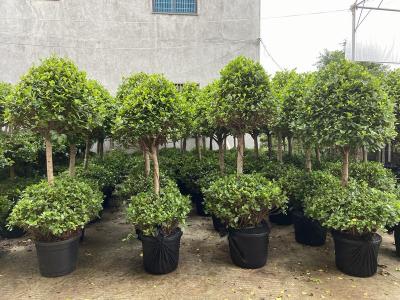
The ficus panda botanical name is Ficus retusa we have one ball, two ball, three ball, pyramid, cage, s shape etc.
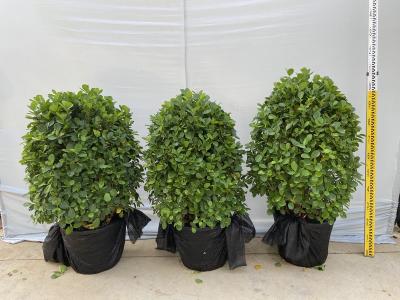
The ficus panda botanical name is Ficus retusa we have one ball, two ball, three ball, pyramid, cage, s shape etc.
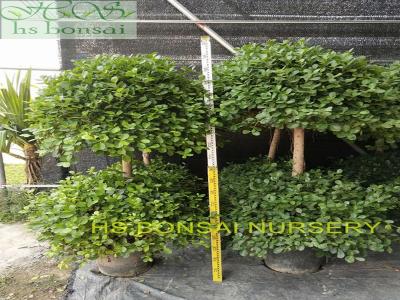
Ficus panda called rubber tree with round leaves. Banyan of mulberry family is a perennial evergreen tree. ficus panda has magnificent shape, fast growth speed, drought and shade resistance. ficus panda remains green all year round and has strong plasticity. ficus panda can create the shape you want
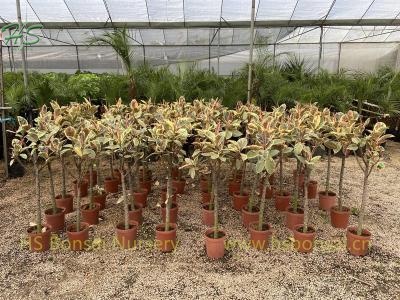
The Ficus Elastica 'Tineke', commonly known as Fiddle Leaf Fig from the ficus genus of trees is an exciting species to grow with larger leaves than the others from the genus.
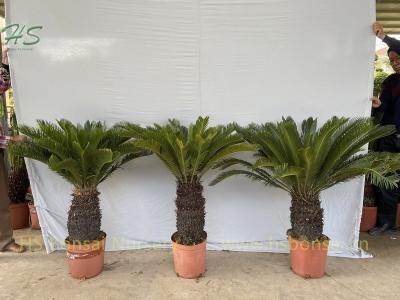
Cycas Revoluta Bulb is suitable for desk decoration plants for houseplants, they are a ornamental plants, the sago Palms have a very slow growth rate, the Cycads leaves are pinnate or feather-like and glossy green and have numerous strap-shaped leaflets

The Straight Lucky Bamboo (Dracaena Sanderiana) is surprisingly not actually bamboo as its scientific name suggests. It’s part of the Dracaena genus. The lucky bamboo plant is from Southeast Asia and is well-known for its use in Feng Shui. In these practices, it is said to represent good luck and happiness, making it an ideal and popular gift in business and personal matters. Another factor that makes lucky bamboo so popular is its ability to be trained into shapes like a Swirl, Heart, Braid and other designs.
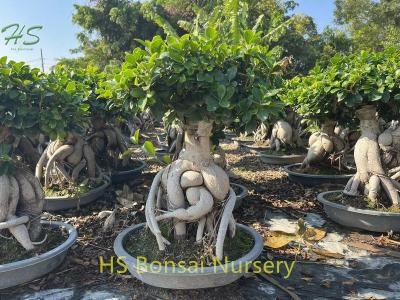
Ficus Ginseng Bonsai: An Introduction to its Basic Characteristics The Ficus Ginseng Bonsai, also known as the Fig Arborvitae, is a unique and captivating tree species that has been a favorite among bonsai enthusiasts for centuries. This tree, native to warmer regions of Asia, is recognized for its intricate and gnarled branches that create an aged and weathered appearance. One of the most distinctive features of the Ficus Ginseng Bonsai is its ability to create a miniature forest effect in a small container. Its branches and roots naturally twist and turn,creating an illusion of a much larger tree. This illusion is further enhanced by the trees' ability to develop multiple trunks, giving the bonsai a full and robust appearance. Another key characteristic is its tolerance to a variety of growing conditions. Ficus Ginseng thrives in both sunny and shaded areas, making it suitable for indoor or outdoor settings. It also requires minimal watering, making it an ideal choice for those with limited time or expertise in bonsai care. In terms of care, the Ficus Ginseng Bonsai prefers regular misting to maintain its health and prevent drying out. It also benefits from monthly fertilizer applications to promote healthy growth. With regular care and attention, this bonsai can live for decades, even centuries, becoming an heirloom piece passed down through generations. The Ficus Ginseng Bonsai is not only a beautiful addition to any landscape or indoor space but also a testament to the art of bonsai cultivation. Its unique features and adaptability make it a prized possession for anyone who appreciates the beauty and serenity of this ancient art form.



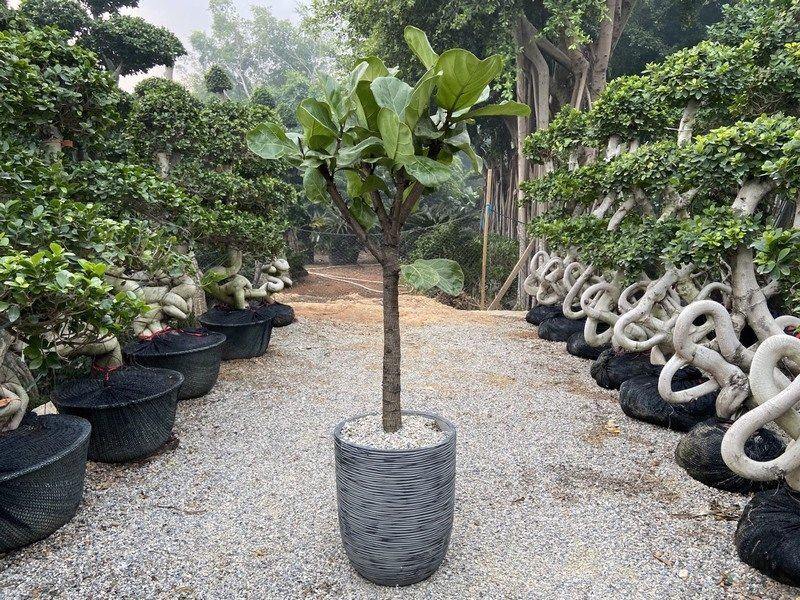 Ficus lollipop
 IPv6 network supported
 English
 español
 العربية