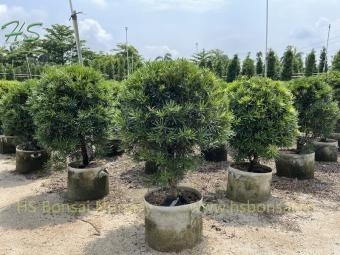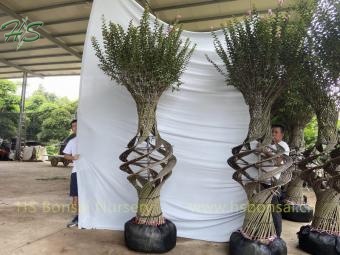




Ficus lyrata can be customized about the shape, we can make the Fiddle-leaf fig tree as branch and lollipop. It is a popular ornamental tree in subtropical and tropical gardens.
Item NO.:
Ficus lyrata bonsaiPayment:
T/TProduct Origin:
ChinaColor:
GreenShipping Port:
Xiamen portLead Time:
7-10day
Ficus lyrata, commonly called fiddle-leaf fig or banjo fig. It is a broadleaf evergreen tree grown in the tropics as an ornamental shade tree. In colder climates, this is a popular houseplant. It is famous as its large, lyre-shaped, dark green leaves which resemble the shape of a violin (fiddle). In its native habitat, globular figs appear solitary or in pairs on mature trees. Fruit is rarely seen on plants outside of the native habitat.
Take care tips
|
Item name: |
Ficus lyrata |
|
Common name: |
Fiddle-leaf fig, ficus bonsai |
|
Standard: |
Ficus bonsai potted |
|
Temperature: |
The best temperature for ficus growing is 18-35 ℃. In winter, the ficus will be frost when the temperature under 10 ℃. Shortage of sunshine will make the leaves yellow and undergrowth |
|
Water: |
We suggest feed ficus bonsai enough water is necessary. Soil should be always wet. In summer, leaves should be sprayed water as well. |
|
Sunlight: |
The ficus likes the full sunlight. |
|
Fertilizer: |
Liquid feed during active growth in late spring and summer. higher frequency watering while feeder to avoid drug injury. |
|
Packing: |
Packed with cocopeat and then into container |
|
Delivery time: |
7-14 days after confirmed for stock quantity |
Photo Details



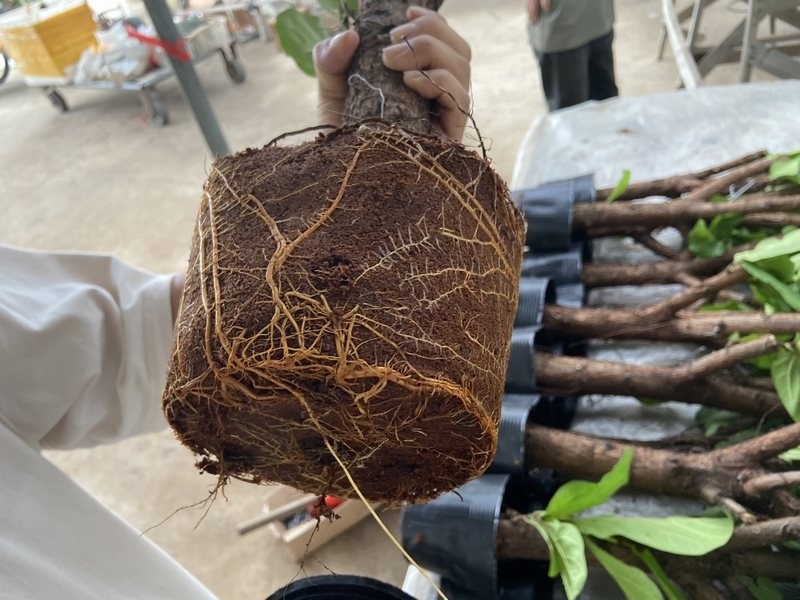

It is a popular ornamental tree in subtropical and tropical gardens, and is also grown as a houseplant in temperate areas
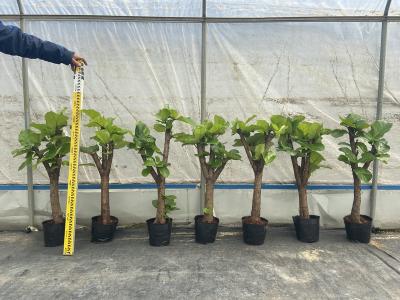
It is a popular ornamental tree in subtropical and tropical gardens, and is also grown as a houseplant in temperate areas

The Ficus Lyrata, commonly known as Fiddle Leaf Fig from the ficus genus of trees is an exciting species to grow with larger leaves than the others from the genus.

The Ficus 'Ruby'-Belize, commonly known as Fiddle Leaf Fig from the ficus genus of trees is an exciting species to grow with larger leaves than the others from the genus.

The Ficus Elastica 'Tineke', commonly known as Fiddle Leaf Fig from the ficus genus of trees is an exciting species to grow with larger leaves than the others from the genus.
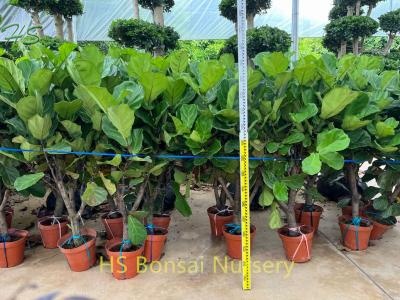
The leaves of the Ficus lyrata are lyre-shaped, hence its common name, and are typically 5-15 centimeters long and 2-5 centimeters wide. The leaves are dark green in color and have a velvety texture. The edges of the leaves are wavy and irregularly toothed, giving them a unique appearance.
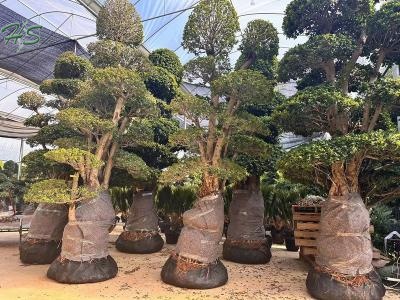
The root bonsai tree is a magnificent tree with its striking aerial prop roots, large canopy, and cultural significance. Its grandeur and adaptability make it a true marvel of nature .
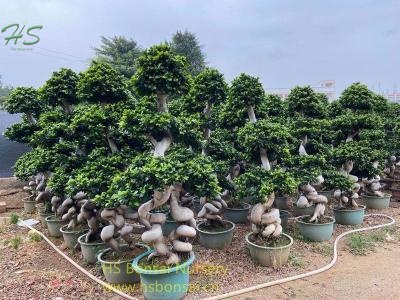
The ficus dragon bonsai tree is make as chinese ficus root. It is a very hardy species of bonsai that easily adapts to many environments. Ficus bonsai trees generally produce narrow leaves that sprout continuously from the top stems, making the bonsai tree very easy to prune and take care. and the ficus root can be make as strange shape to creative the unique shape



 Ficus lollipop
 IPv6 network supported
 English
 español
 العربية