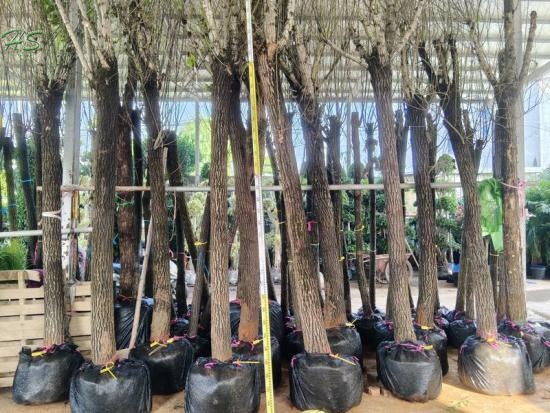
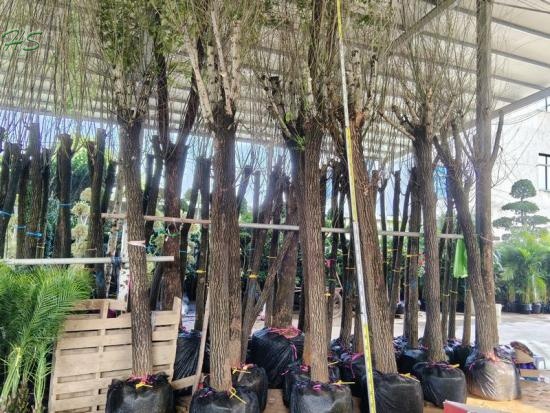
There is a kind of tree that seems to have been kissed by the wind itself—the weeping willow. To me, it is the most graceful and poetic of all trees.
Standing by the edge of a calm lake, a full-grown willow presents a scene of perfect harmony. Its thick, rugged trunk speaks of age and resilience, but from this sturdy base, a waterfall of green comes to life. Hundreds of slender, supple branches, each covered in long, narrow leaves, arch outwards and cascade downwards, gently swaying with the slightest breeze. They are like the long, flowing hair of a mythical creature, or countless green ribbons dancing in the air. The tips of the branches often kiss the surface of the water, creating the softest of ripples that spread silently across the pond.
On a spring morning, its catkins, soft as velvet, appear, adding a touch of silver to the fresh green. In the heat of summer, its dense canopy forms a cool, whispering shelter, a sanctuary from the glaring sun. The breeze plays a constant, gentle melody through its leaves, a soft rustling that sounds like quiet, contented sighs. Even in autumn, when its leaves turn a pale, golden yellow, they do not fall in a rush, but drift down slowly, like delicate, fading thoughts.
The willow's beauty is one of gentle movement and quiet reflection. It is not bold or loud, but it possesses a soft, enduring charm that stirs the soul. To sit beneath its flowing curtain and watch the world through its shifting veil is to experience a moment of profound peace, as if listening to the earth’s own lullaby
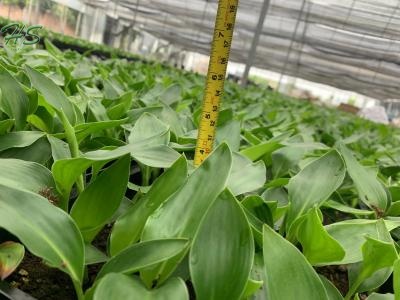
Strelizia nicolai ,has common name as " Bird of Paradise " , with while flower. it is the hardy , somehow drought tolerence .
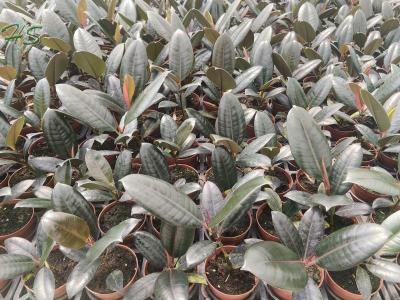
Advantages of Black Diamond Ficus (Ficus Elastica) It features gorgeous glossy dark foliage for stylish indoor decoration. It comes with strong healthy roots and high survival rate after shipment. Low-maintenance, drought-tolerant and adaptable to various environments. Great air-purifying plant that absorbs harmful indoor gases. Neatly pruned with beautiful canopy for commercial landscape projects. Pest and disease free, meeting international phytosanitary export standards. Perfect for hotels, offices, villas, malls and home decor. Available in large quantities, ideal for full-container orders.
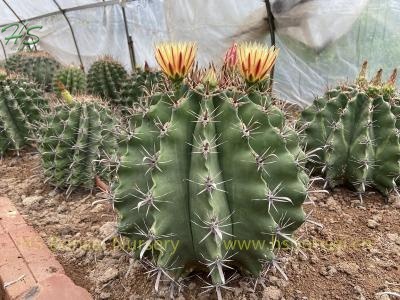
Ferocactus Peninsulae is a barrel cactus in the genus Ferocactus of the family Cactaceae. It is a beautiful plant with Blue & green body and stout, fierce red spines.
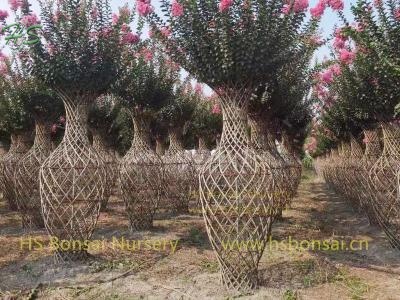
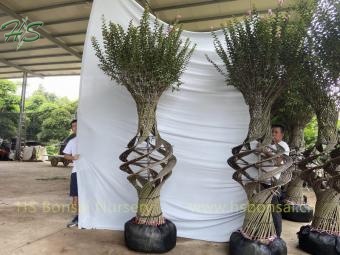
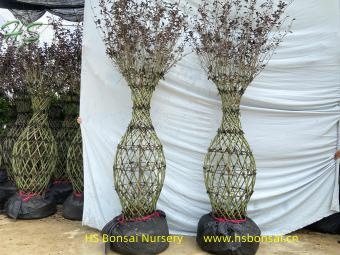
Lagerstroemia indica bottle cage, the crape myrtle (also called crepe myrtle, crêpe myrtle, or crepeflower) is a species of flowering plant in the genus Lagerstroemia of the family Lythraceae.
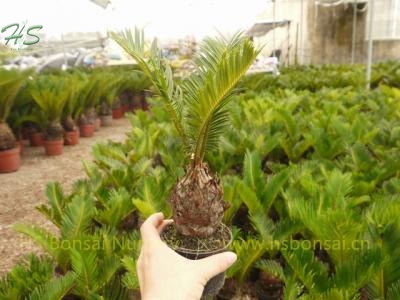
The Sago Palm (Cycas Revoluta) bulb is suitable for desk decoration plants for houseplants, they are a ornamental plants, The leaves are shiny dark green and have numerous strap-shaped leaflets
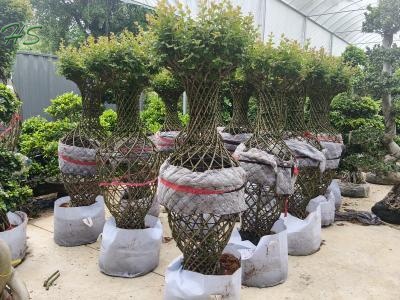
Don’t miss out! These heat-loving beauties will transform your outdoor space into a colorful retreat.

Pinus thunbergii Parl, also known as black pine, is a common pine tree belonging to the Pinaceae family.



 Ficus lollipop
 IPv6 network supported
 English
 español
 العربية