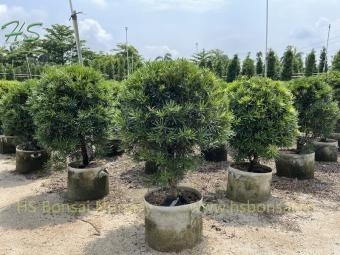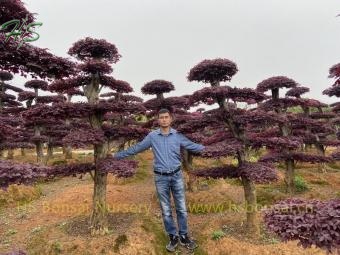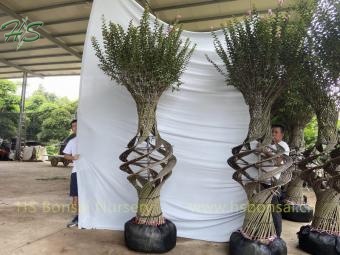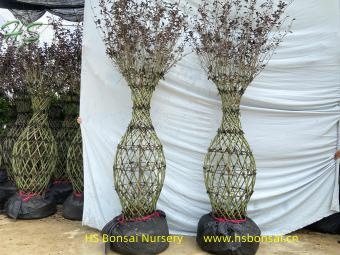

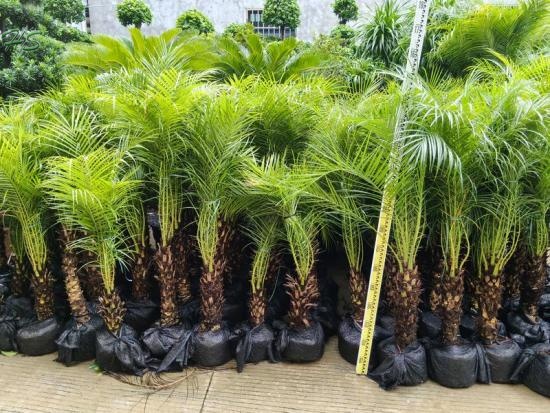
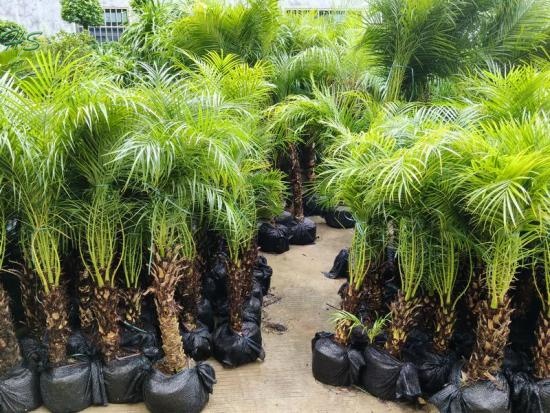
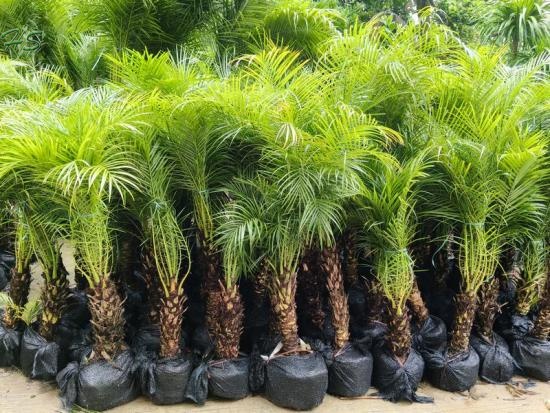
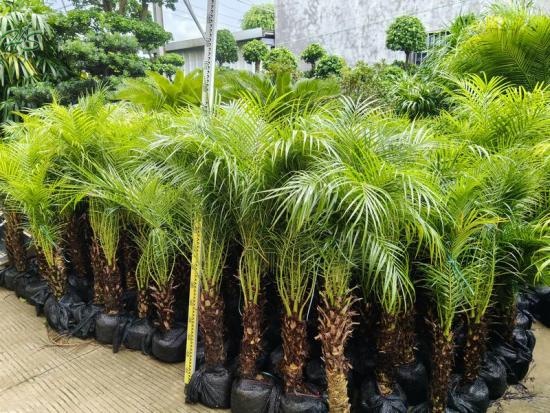
The Phoenix Roebelenii belongs to the Araceae Family and has the nickname Dwarf Date Palm because it is one of the smaller ones of its kind. The Phoenix Roebelenii has a beautiful palm tree trunk with Graceful Leaves which immediately create a tropical effect.
Item NO.:
HSPRPayment:
T/TProduct Origin:
ChinaColor:
GreenShipping Port:
Xiamen portLead Time:
7-10day
Introduction to the Needle Palm (Rhapidophyllum hystrix)
The Needle Palm, scientifically known as Rhapidophyllum hystrix, is a remarkable and hardy fan palm native to the southeastern United States. It is renowned for its exceptional cold tolerance, making it a prized choice for gardeners in cooler climates who desire a tropical look.
Key Characteristics
Appearance: This is a slow-growing, clumping palm that typically forms a dense, shrub-like mound. It lacks a central trunk, instead growing from a central base with multiple stems. Its leaves, or fronds, are deep green, fan-shaped, and can reach up to 4-6 feet in length, creating a lush, tropical appearance.
Namesake Defense Mechanism: The palm gets its common name from the long, sharp, black needles (modified leaf stems) that densely cover its stems. These fierce spines can be up to 10 inches long, protecting the plant from foraging animals and earning it another common name: Porcupine Palm.
Flowers and Fruit: It produces small, fragrant, creamy-yellow flowers that emerge from the center of the plant. These are followed by attractive brownish-red drupes (fruits).
Exceptional Cold Hardiness
The most distinguished feature of the Needle Palm is its incredible ability to withstand cold temperatures. It is the most cold-hardy palm in the world, capable of surviving brief periods of temperatures as low as -20°F (-29°C) when established. This hardiness allows it to thrive in USDA Hardiness Zones 5b through 11.
Growing and Care Requirements
Climate: Perfect for temperate zones with cold winters and hot, humid summers.
Sun: Prefers partial shade but can tolerate full sun to full shade. In hotter climates, afternoon shade is beneficial.
Soil: Requires well-draining soil and is adaptable to a variety of soil types, including clay, sand, and loam.
Water: Has moderate water needs. It prefers consistently moist soil but is surprisingly drought-tolerant once established.
Use in Landscaping: Its aggressive spines make it an excellent natural barrier or security planting. It is also used as a unique foundation plant or a focal point in woodland gardens. Due to its spines, it is not recommended for areas with high foot traffic or where children and pets play.
Summary
In conclusion, the Needle Palm is a unique, rugged, and fascinating plant. Its combination of fierce spines, lush foliage, and unparalleled cold resistance makes it a standout specimen for any gardener looking to add a touch of hardy tropical elegance to their landscape.
Take care tips
|
Item name: |
Good Quality Phoenix Roebelenii Palm Tropics Wall Foliage Green Plant |
|
Common name: |
Pygmy Date Palm, Miniature Date Palm, Dwarf Date Palm, Elegant dwarf palm, Phoenix roebelenii O’ Brien |
|
Standard: |
Chinese palm Tropical pygmy date palms potted. |
|
Temperature: |
The best temperature for growing is 15-30 ℃. |
|
Water: |
The Phoenix Roebelenii needs to get enough water in the summer, as it is a thirsty type of plant, about watered 2 to 3 times a week. In summer it should be almost watered every day |
|
Sunlight: |
The Phoenix Roebelenii loves the sun and needs enough hours of sun to stay beautiful, if the Phoenix Roebelenii receives too little sunlight, no new leaves will grow |
|
Fertilizer: |
Liquid feed during active growth in late spring and summer. higher frequency watering while feeder to avoid drug injury. |
|
Packing: |
Packed with cocopeat and then into container |
|
Delivery time: |
7-14 days after confirmed for stock quantity |
Packaging Details
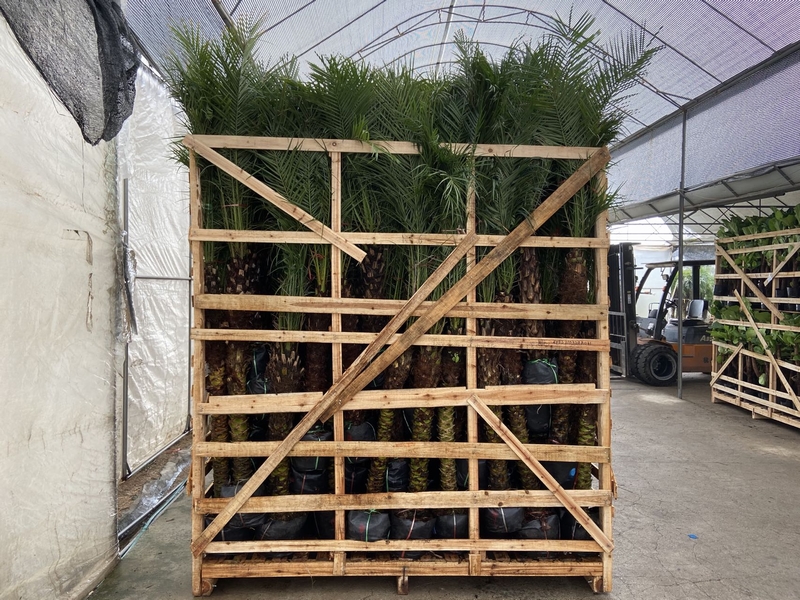
Packing with plastic net with coco peat, for the small size , would be packed into the wooden case , for the bigger size , would load into the container in nude directly
Product Overview
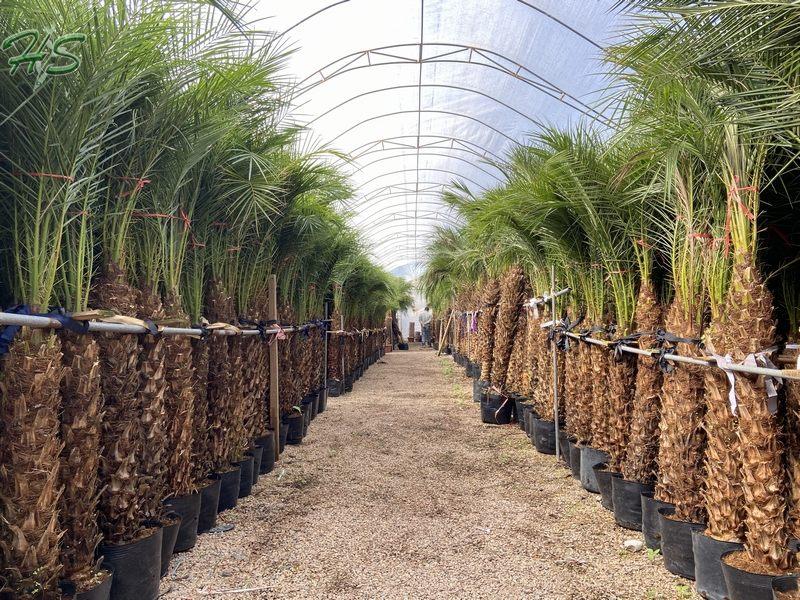
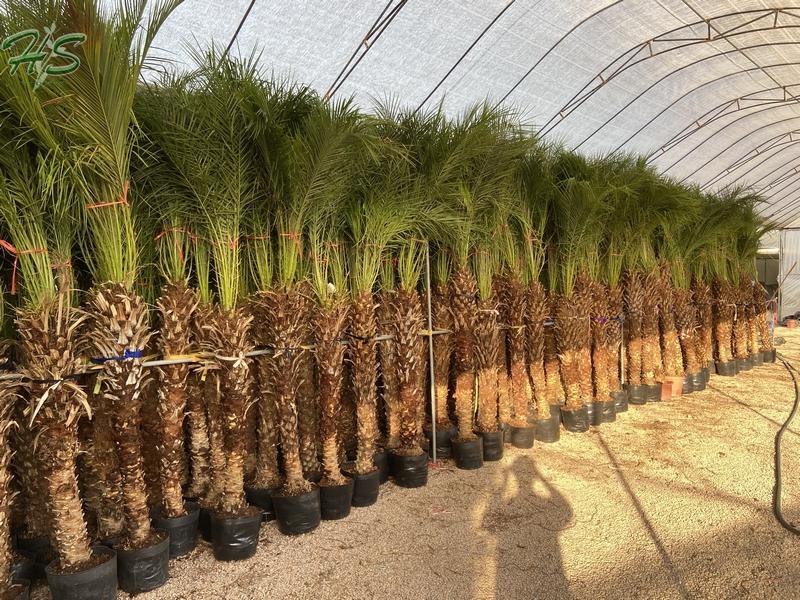
Loading Photos
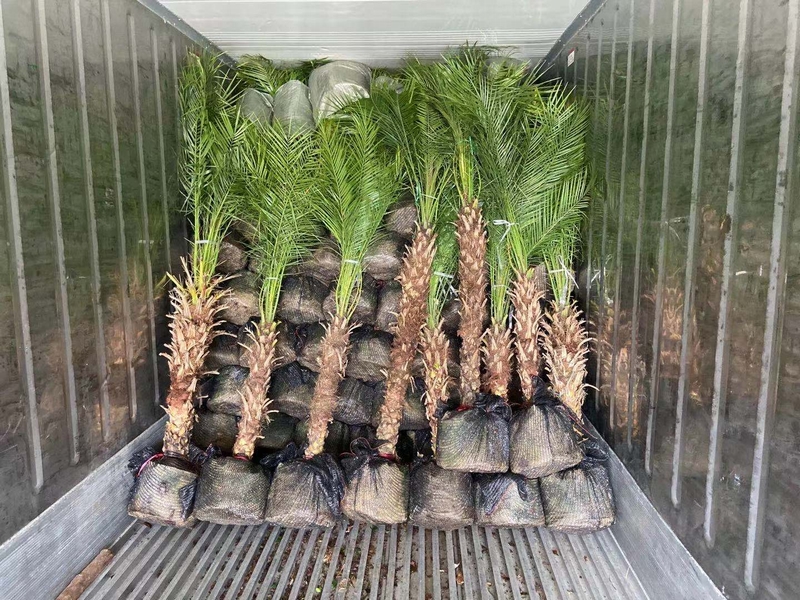
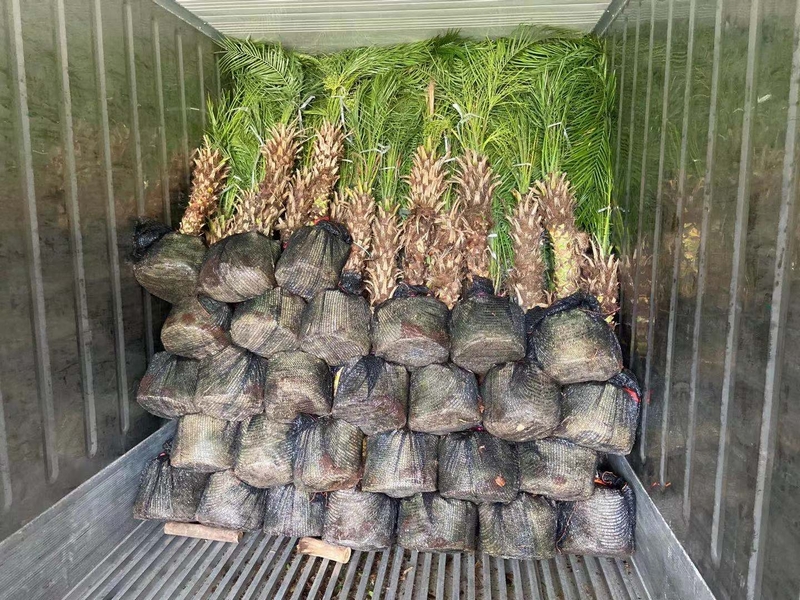
www.hsbonsai.cn
whatsapp: +86013606051207
+86013514076266
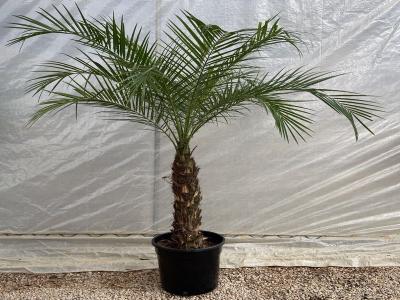
Pygmy Date Palm tree is a subtropical spreading palm in the Arecaceae (palm) family. It has fine leaves, an attractive trunk and is suitable for use indoors in cooler climates.
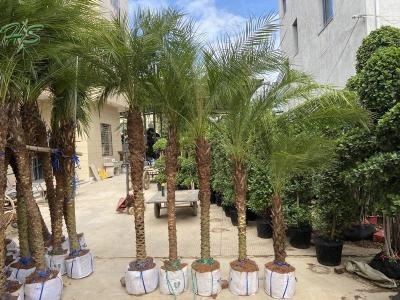
Robellini Palm (Phoenix Roebelenii) is a Dwarf Palm tree that will reach heights of only 6 to 12 feet at maturity but, in spite of its diminutive size, will have a bushy crown of Graceful Palm leaves. The bushy leaves usually hide the small clusters of flowers.
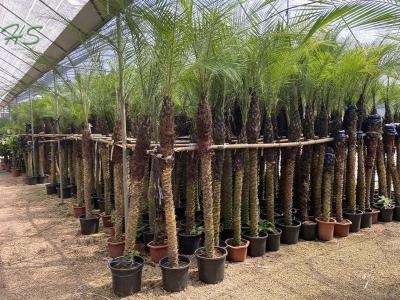
The Phoenix Roebelenii belongs to the Araceae Family and has the nickname Dwarf Date Palm because it is one of the smaller ones of its kind. The Phoenix Roebelenii has a beautiful palm tree trunk with Graceful Leaves which immediately create a tropical effect.
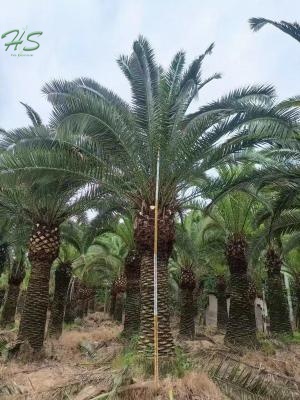
The Canary date palm, scientifically known as Phoenix canariensis, is a majestic and ornamental palm tree native to the Canary Islands. It is widely admired for its striking appearance and is a popular choice for landscaping projects and gardens around the world.
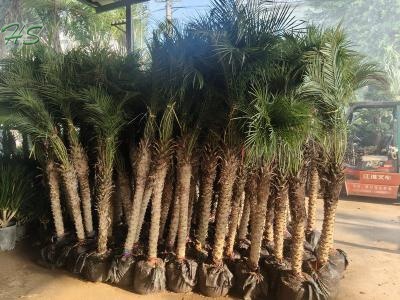
Care Guide for Pygmy Date Palm (Phoenix Roebelenii) Pygmy Date Palm prefers bright indirect sunlight. It can tolerate partial shade, but avoid long-time strong direct scorching sun which may burn the fronds. Water moderately. Let the top soil dry out between watering. Do not overwater, as soggy soil will cause root rot. It has good drought resistance. The ideal growing temperature ranges from 18°C to 32°C. Protect it from frost and freezing weather, low temperature will damage the plant. Well-draining soil is essential. Loose sandy soil is recommended to keep good air circulation for roots. Fertilize lightly during the growing season. Slow-release palm fertilizer works well; stop feeding in cold seasons. Remove old, yellow or brown fronds regularly to keep the plant tidy and reduce pest risks. It is relatively pest-resistant. Watch out for scale insects and spider mites. Ensure good ventilation to prevent disease.
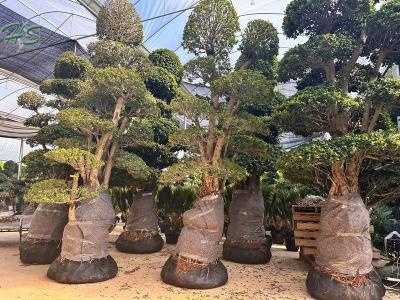
Ficus Microcarpa acts as a guardian of the planet. Its extensive root system prevents soil erosion and stabilizes landscapes, ensuring the preservation of nature's delicate balance.Good quality combined ficus bonsai plants are a beautiful and unique form of bonsai that combine the traditional art of bonsai with modern design elements. These plants feature a mix of different species of ficus, which are carefully trained and styled to create a miniaturized landscape that is both pleasing to the eye and calming to the spirit. The result is a piece of living art that can be enjoyed for years to come.
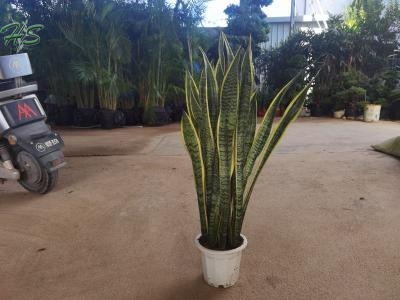
Sansevieria thrives in indirect sunlight and prefers bright, filtered light. It can tolerate some direct sunlight but should not be exposed to bright, direct sunlight for long periods as it may damage the leaves.
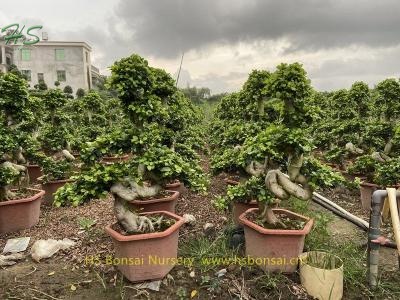
Ficus are one of the most popular large houseplants, they are easy and low maintenance. The best outdoor bonsai plants for offices and homes, Its a excellent landscape trees which has good tolerance to winter and summer season. The ficus bonsai is also proved to be one of the best air purifier tree



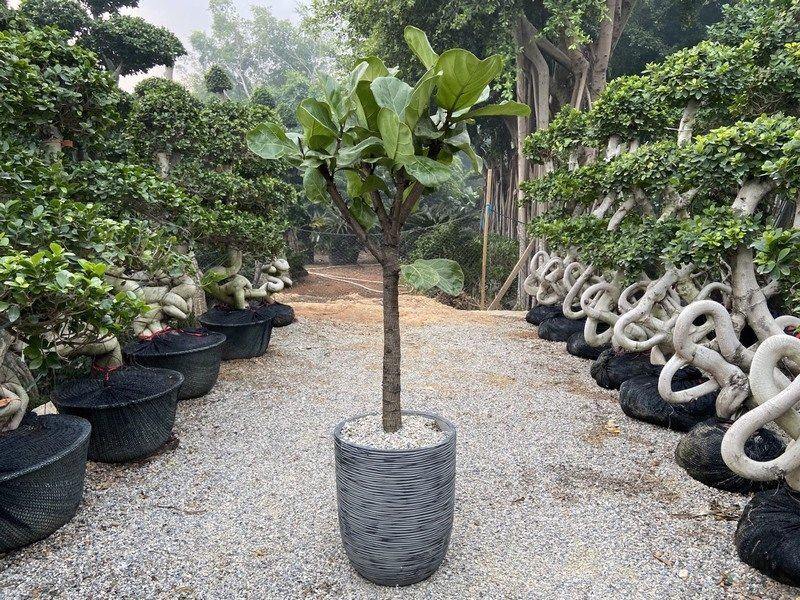 Ficus lollipop
 IPv6 network supported
 English
 español
 العربية