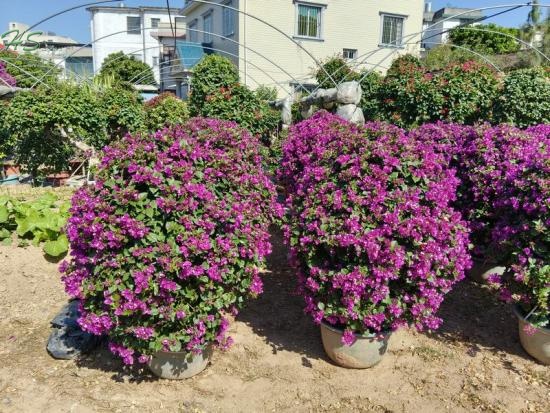
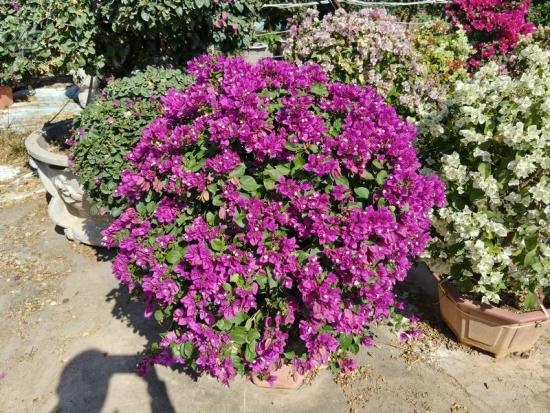
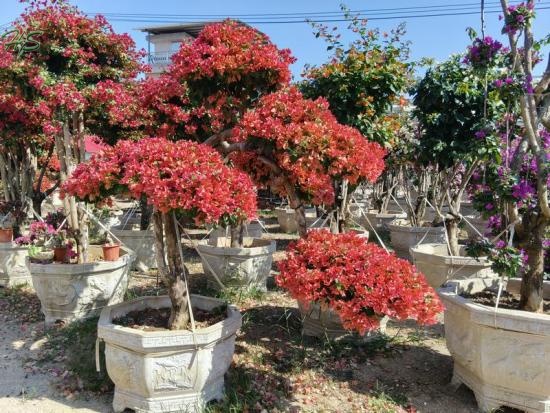
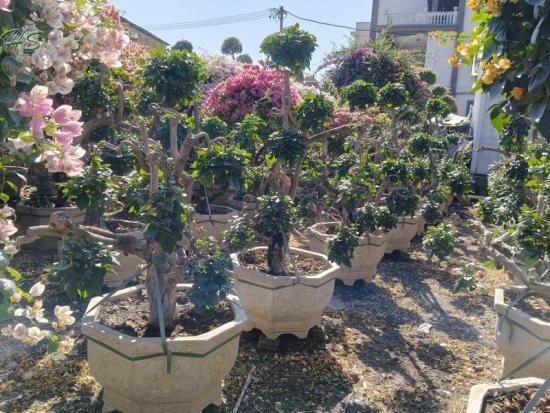
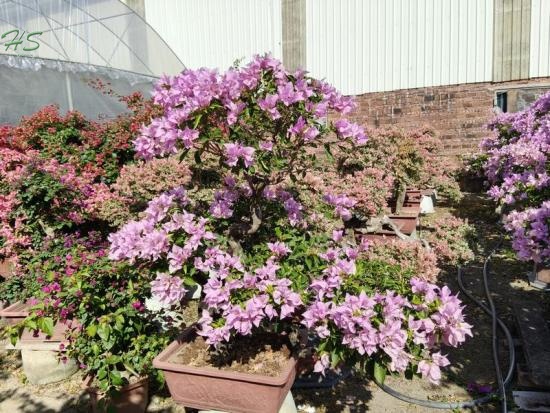
Bougainvillea is a popular choice for gardens and landscapes, and its widespread popularity comes from a fantastic combination of ornamental beauty, exceptional hardiness, and even hidden health benefits. Here is an introduction to the many advantages of this remarkable plant.
A Spectacular Visual Display
The most obvious advantage of bougainvillea is its stunning and long-lasting beauty. What appear to be vibrant flowers are actually modified leaves called bracts, which surround the plant's small, inconspicuous true flowers -1-3. These bracts are famously papery and delicate, earning the plant its nickname, the "Paper Flower" -1.
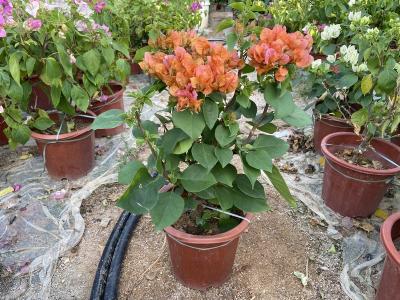
This visual appeal is amplified by the plant's incredible diversity. Bougainvillea offers a wide spectrum of colors, from the common rich magentas and purples to vibrant reds, oranges, hot pinks, pure whites, and even apricots and yellows -1-2. To add to the spectacle, some cultivated varieties can even display two colors on the same plant, a trait that has led to names like "rainbow paper flower" -1. This explosion of color can brighten up any space, from a small balcony to a large garden, for a significant part of the year, with many varieties blooming abundantly from winter through spring and even year-round in ideal climates -1-3-9.
Remarkably Low Maintenance and Resilient
Beyond its beauty, bougainvillea is a powerhouse of resilience, making it an ideal plant for both novice and experienced gardeners, especially in warm climates. Its primary advantages in this area include:
Drought Tolerance: Once established, bougainvillea is highly drought-tolerant, thriving in hot, dry conditions where many other plants would struggle -2-3-6. It prefers its soil to dry out between waterings, making it perfect for xeriscaping or for gardeners who prefer not to water frequently -2-9.
Loves the Sun: This is a plant that revels in full sunlight. It requires at least 5-6 hours of direct sun daily to produce its best blooms, making it an excellent choice for those hot, sun-baked spots in a garden where other plants might fade -2-3-6. It can even withstand temperatures above 100°F -1.
Undemanding Nature: Bougainvillea is not a fussy plant. It thrives with minimal care, growing well in a variety of well-drained soils -1-2. Its fast-growing nature means it quickly establishes itself and provides coverage or color -3.
Versatility in the Landscape
The plant's vigorous and adaptable growth habit makes it a versatile tool for landscaping. It can be trained and shaped to fulfill many different roles:
As a Climber: It can be trained to rapidly cover fences, walls, trellises, and pergolas, creating a lush, tropical backdrop or a natural screen -2-3.
As a Shrub or Hedge: With regular pruning, it can be shaped into a sprawling shrub or planted in rows to form a colorful, impenetrable hedge -3.
In Containers: Bougainvillea thrives in pots, making it a perfect choice for patios, balconies, or poolside areas. Dwarf cultivars are specifically available for smaller spaces and ground cover -1-6.
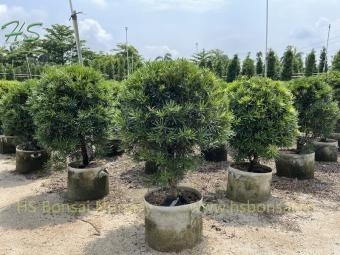
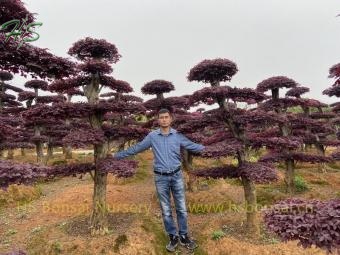
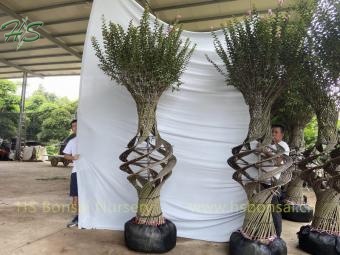
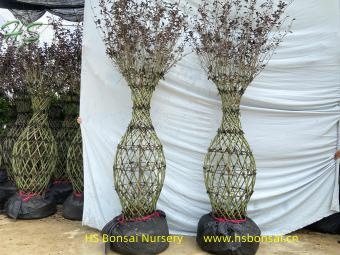
As a Standard or Bonsai: For the more adventurous gardener, it can be pruned to create a single-trunk "standard" resembling a small tree or even trained into the ancient art form of bonsai -1-2.
Ecological and Environmental Benefits
The advantages of bougainvillea extend beyond mere aesthetics and ease of care. It plays a positive role in the garden ecosystem and the wider environment. The colorful bracts are highly effective at attracting pollinators, such as butterflies and bees, thus supporting local biodiversity -1-2. Furthermore, its robust nature makes it an ideal plant for green buildings and the greening of wastelands, highways, and marginal areas, where it can help minimize different types of pollution -5.
Surprising Health and Wellness Potential
Recent scientific research has uncovered a hidden side to bougainvillea, revealing its potential benefits for health and nutrition. The plant, particularly the flowers and bracts, is a rich source of bioactive compounds like phenolics, flavonoids, and antioxidants -1-7.
Pharmacological Properties: Studies have confirmed that extracts from species like Bougainvillea spectabilis and B. glabra exhibit a range of pharmacological activities, including anti-diabetic, anti-inflammatory, antioxidant, anticancer, and antibacterial properties -1-4. This aligns with its historical use in traditional medicine to manage various ailments -1.
Safety and Potential for Regenerative Medicine: Excitingly, research has shown that bougainvillea flower extracts are not only non-toxic to healthy human cells but may even promote their growth. One study observed a significant pro-proliferative effect on human cells, suggesting a promising future for the plant in regenerative medicine and wound healing -7.
Future Food Source: Scientists are also exploring the use of bougainvillea flowers in the development of functional foods and beverages, which could contribute to food security and sustainable development -1-4.
In summary, the bougainvillea is far more than just a pretty face. Its combination of stunning, long-lasting color, minimal care requirements, remarkable versatility in the landscape, ecological benefits, and surprising potential in medicine and nutrition make it an exceptionally rewarding plant to cultivate.
Item NO.:
HSBGPayment:
T/TProduct Origin:
chinaShipping Port:
Xiamen portLead Time:
7-10day
Bougainvillea Care Guide
1. Light
Full sun is essential. Bougainvilleas need at least 6–8 hours of direct sunlight daily to bloom profusely.
Insufficient light results in poor flowering and leggy growth.
2. Watering
Water deeply but infrequently. Allow the soil to dry out between waterings.
Avoid overwatering—bougainvilleas are drought-tolerant and prone to root rot if kept too wet.
Reduce watering in cool or rainy seasons.
3. Soil & Potting
Use well-draining soil (e.g., cactus/succulent mix or add perlite/sand to potting soil).
Ensure pots have drainage holes.
Repot every 2–3 years or when roots outgrow the container.
4. Temperature & Climate
Ideal temperature: 60°F–90°F (15°C–32°C).
Frost-sensitive: Protect or bring indoors if temperatures drop below 40°F (4°C).
In cool climates, grow in containers and move indoors during winter.
5. Fertilizing
Use a balanced fertilizer (e.g., 10-10-10) or one higher in phosphorus (e.g., 5-10-10) to promote blooming.
Fertilize every 4–6 weeks during the growing season (spring to summer).
Avoid high-nitrogen fertilizers, which encourage leaves over flowers.
6. Pruning & Training
Prune after flowering to shape the plant and encourage new growth.
Wear gloves—bougainvillea thorns can be sharp.
Regular light pruning maintains size and promotes more blooms.
Can be trained as a climbing vine, shrub, or bonsai.
7. Pest & Disease Management
Common pests: Aphids, caterpillars, spider mites. Treat with insecticidal soap or neem oil.
Fungal issues (e.g., leaf spot) may occur in humid conditions. Improve air circulation and avoid wetting leaves.
Root rot from overwatering—ensure proper drainage.
8. Encouraging Blooms
Stress can trigger flowering: Slightly restrict water (without wilting) and avoid over-fertilizing.
Ensure ample sunlight and avoid heavy pruning during peak blooming seasons.
9. Winter Care (Cool Climates)
Move potted plants indoors to a bright, sunny spot.
Reduce watering and stop fertilizing until spring.
Outdoor plants may die back in frost but often regrow in spring if roots are protected with mulch.
10. Propagation
Propagate via semi-hardwood cuttings in spring/summer.
Dip cuttings in rooting hormone and place in well-draining soil. Keep warm and moist until rooted.
Quick Tips for Success
Sunshine is key—the more sun, the more flowers.
Neglect over nurture: They thrive with a little stress (underwatering is better than overwatering).
Prune strategically to maintain shape and boost blooms.
Protect from cold—bougainvilleas are tropical plants at heart.
Take care tips
Item name: Colorful Bougainvillea glabra bonsai
|
Item name: |
Colorful Bougainvillea glabra bonsai |
|
Common name: |
Paperflower, five color Bougainvillea, Colorful Bougainvillea, Bougainvillea spectabilis Willd |
|
Standard: |
Bougainvillea varieties potted |
|
Temperature: |
The best temperature for Bougainvillea growing is 18-35 ℃. |
|
Water: |
Water your bougainvillea with a good soaking and then let it dry out. If they are left with wet soil, it may cause their bracts and foliage to drop. If you are using bougainvillea as an indoor houseplant, make sure to keep the plants mostly dry during winter months |
|
Sunlight: |
The bougainvilleas are tropical natives plants, make sure they get plenty of sun. Some varieties can handle part sun but will not perform as well as they could in full sun |
|
Fertilizer: |
Bougainvillea are heavy feeders and prefer small amounts of nutrients available constantly, making a slow-release fertilizer a good choice. The important thing that they should be fed regularly during their flowering season. |
|
Packing: |
Packed with cocopeat and then into container |
|
Delivery time: |
7-14 days after confirmed for stock quantity |
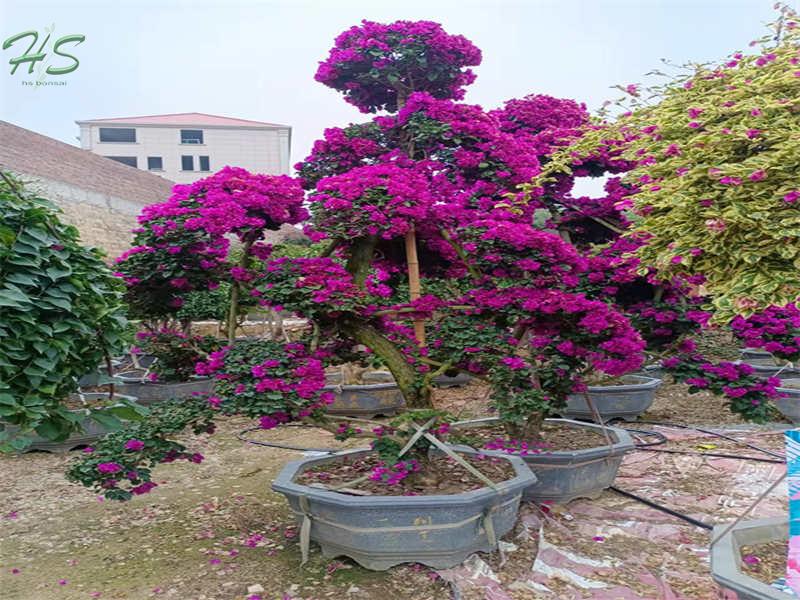
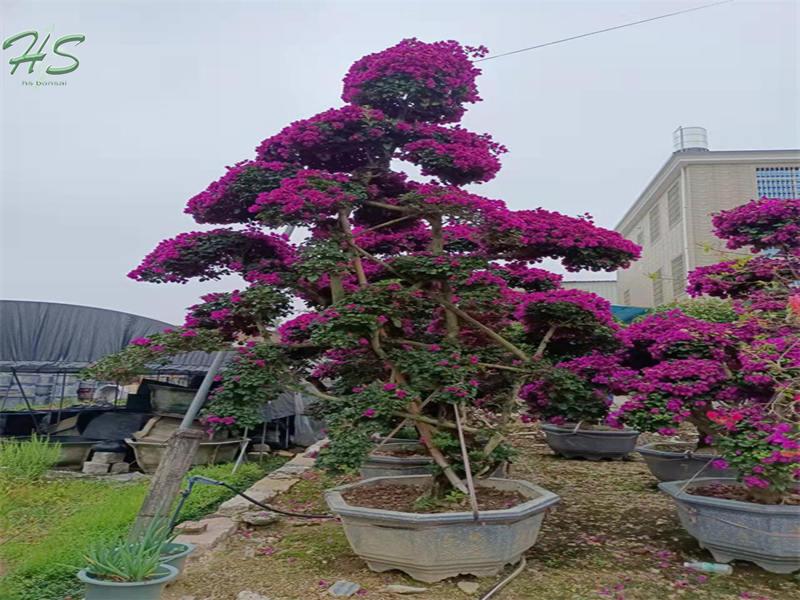
Bougainvillea glabra, the lesser bougainvillea or paperflower, is the most common species of bougainvillea used for bonsai. The epithet 'glabra' comes from Latin and means "bald
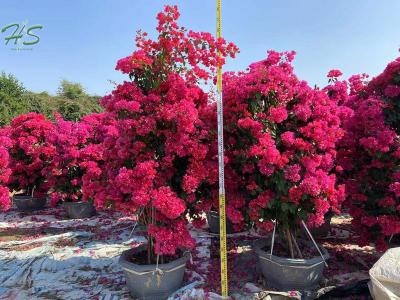
Bougainvillea are popular ornamental plants in most areas with warm climates, they can be use as the garden or the fence decoration
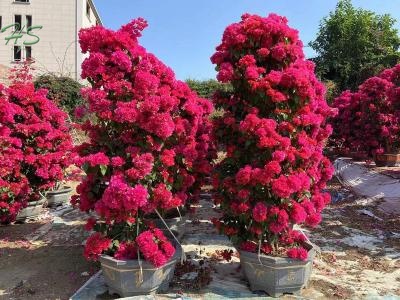
Bougainvillea are popular ornamental plants in most areas with warm climates, they can be use as the garden or the fence decoration
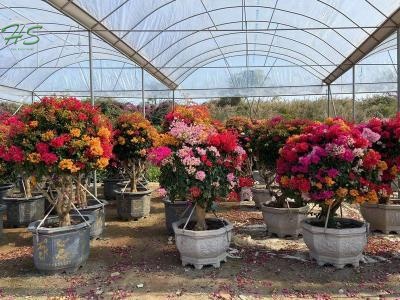
Bougainvillea are popular ornamental plants in most areas with warm climates, they can be use as the garden or the fence decoration
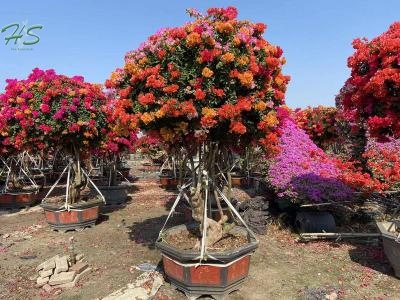
Bougainvillea are popular ornamental plants in most areas with warm climates, they can be use as the garden or the fence decoration
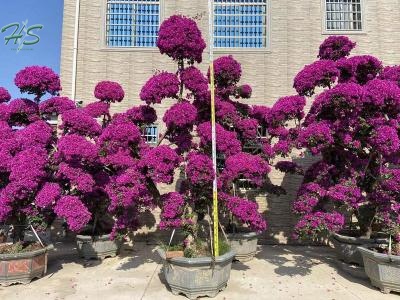
Bougainvillea are popular ornamental plants in most areas with warm climates, they can be use as the garden or the fence decoration, the big size can be used for landscaping
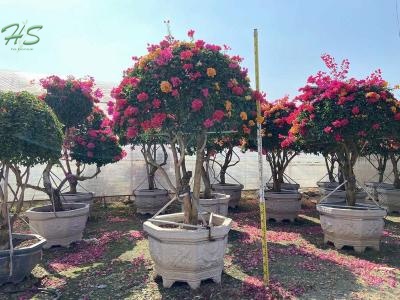
Colorful Bougainvillea are popular ornamental plants in most areas with warm climates, they can be use as the garden landscaping or the fence decoration
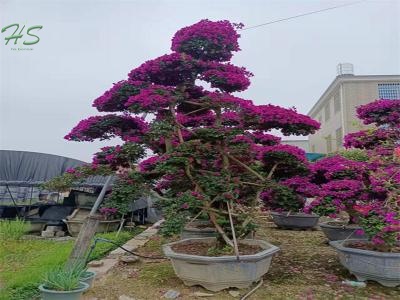
Triangle plum bonsai likes warm and humid climate and is not resistant to cold,Bougainvillea are popular ornamental plants in most areas with warm climates, they can be use as the garden or the fence decoration



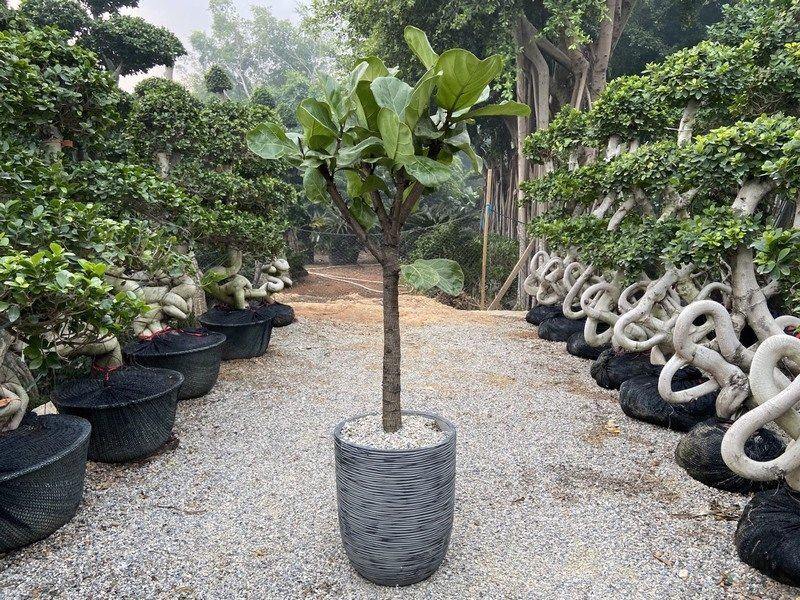 Ficus lollipop
 IPv6 network supported
 English
 español
 العربية